
 English
 Español
 عربى
عربى 中文简体
中文简体

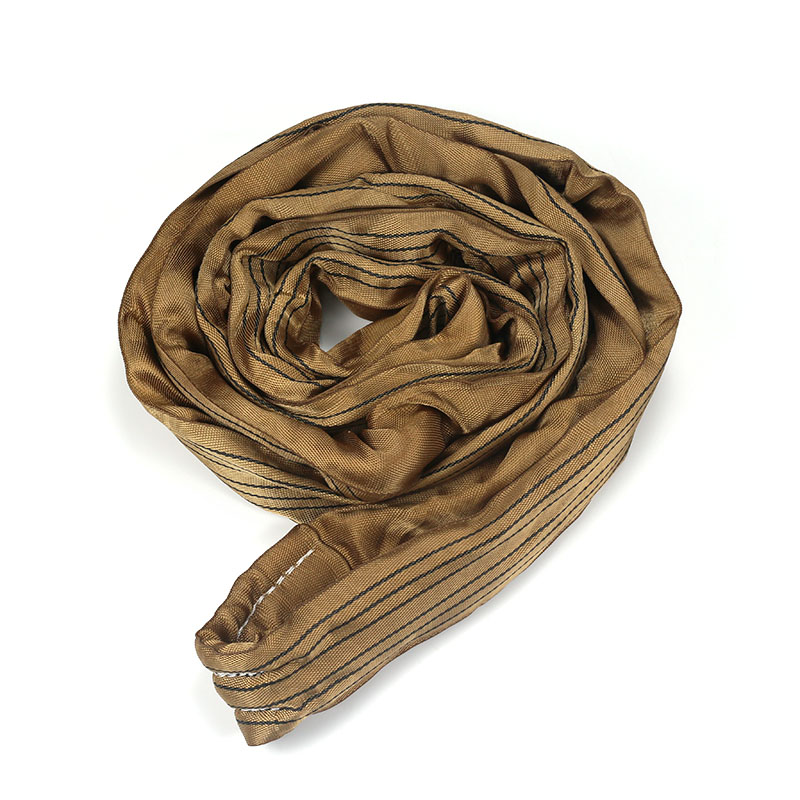
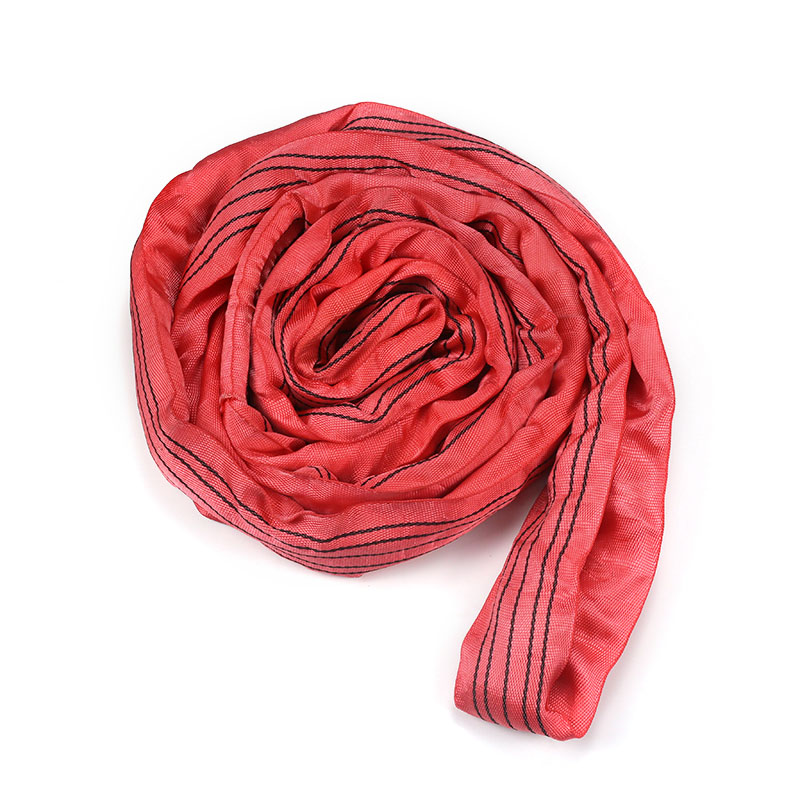
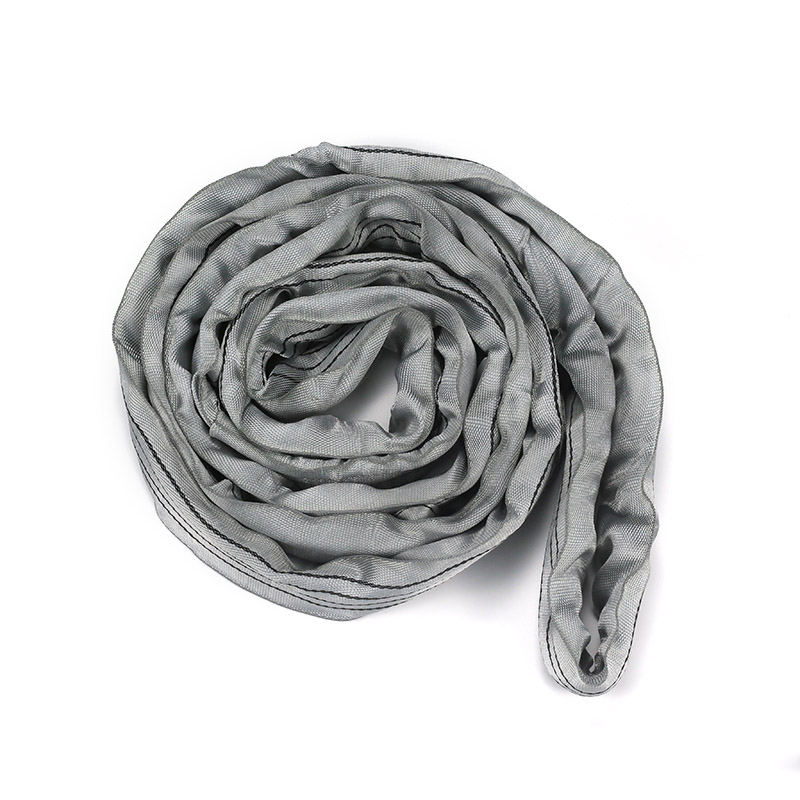
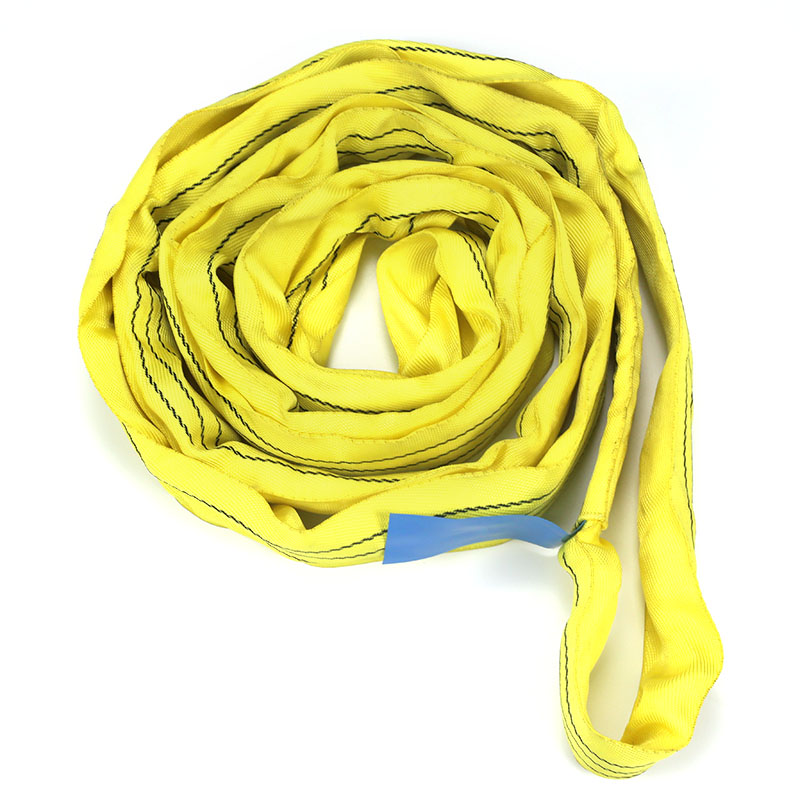


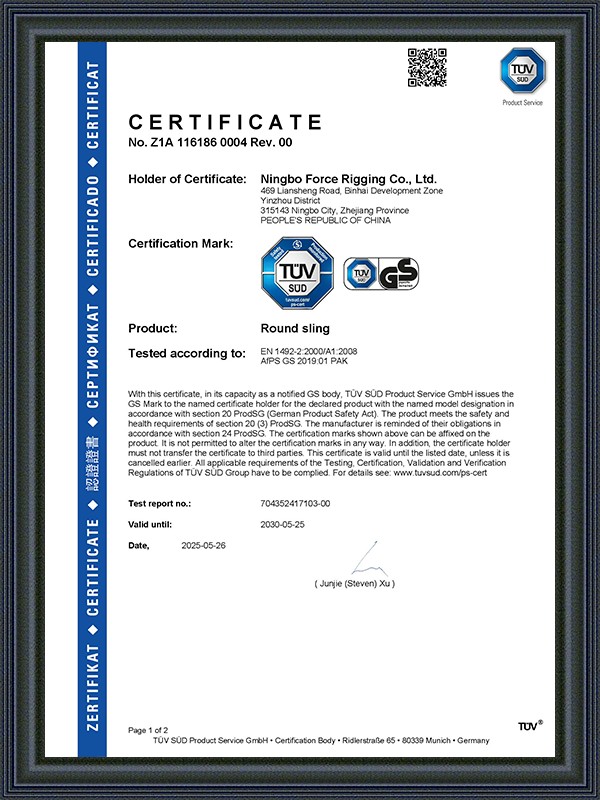


1. Introduction to Round Slings
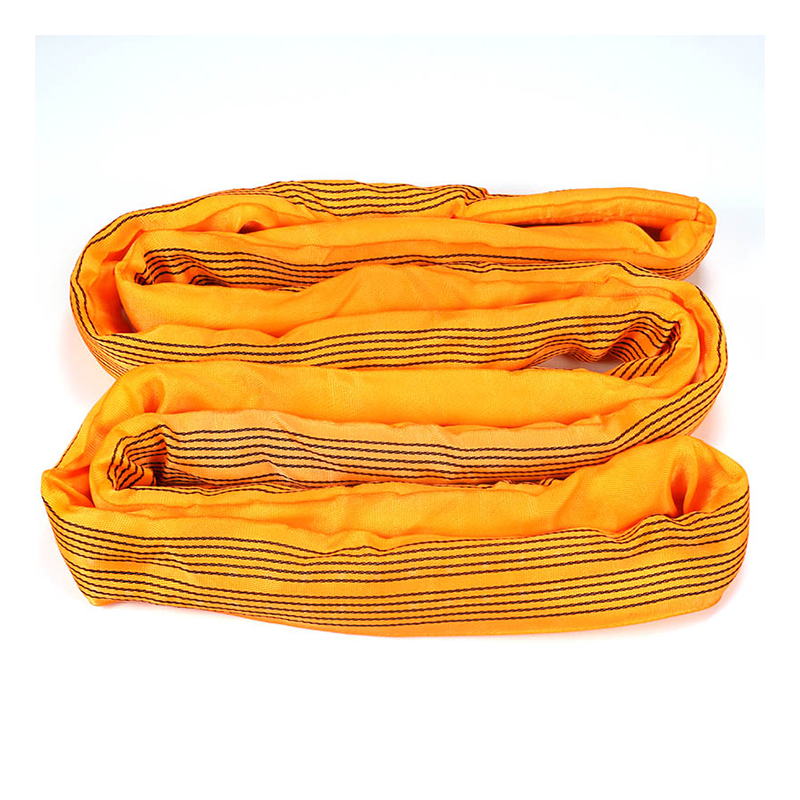
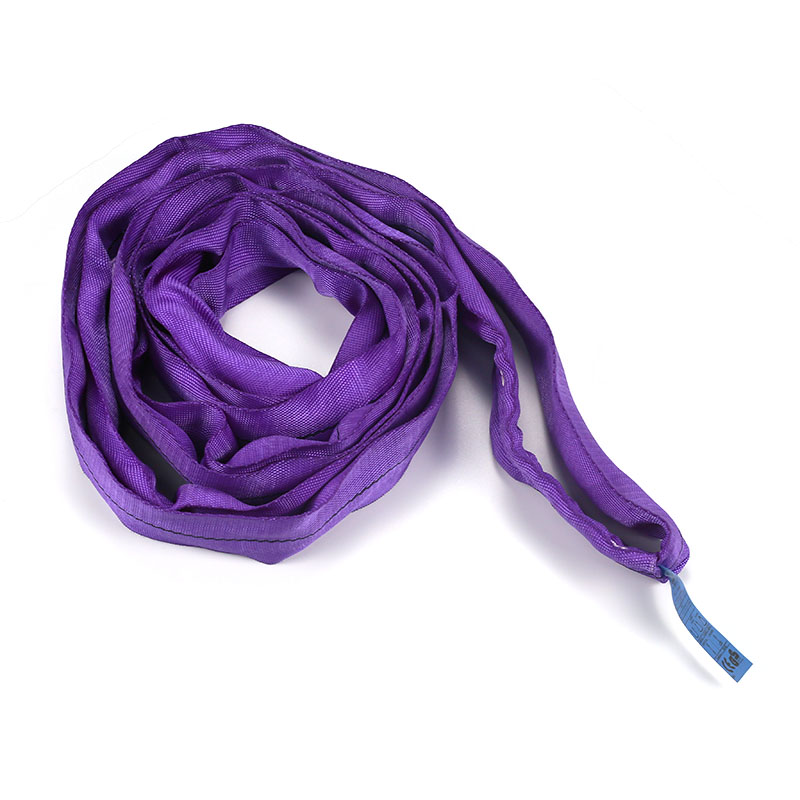
Round slings are high-performance lifting tools designed for safe and efficient lifting operations. These slings come in two configurations: endless (for balanced lifting) and eye-eye (for hook connections). They are widely used in various industries such as construction, shipping, and heavy machinery handling, due to their exceptional strength, flexibility, and ease of use.
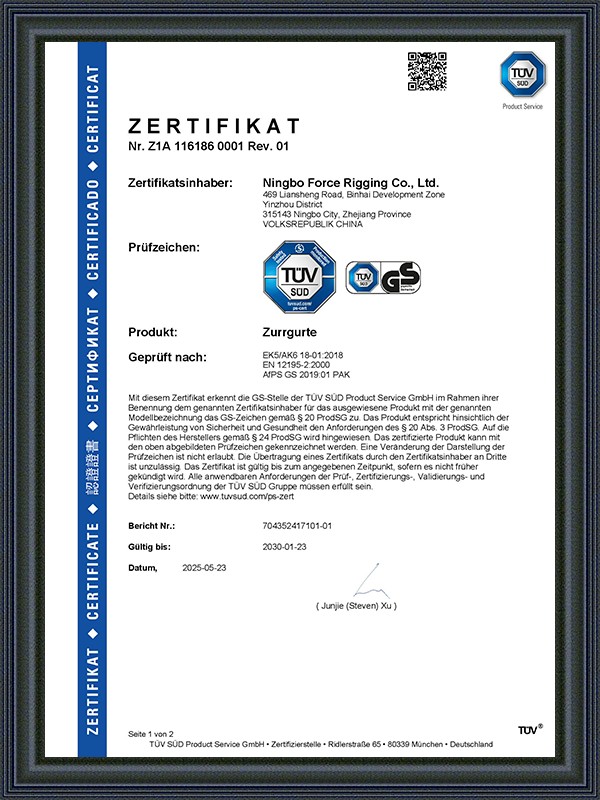
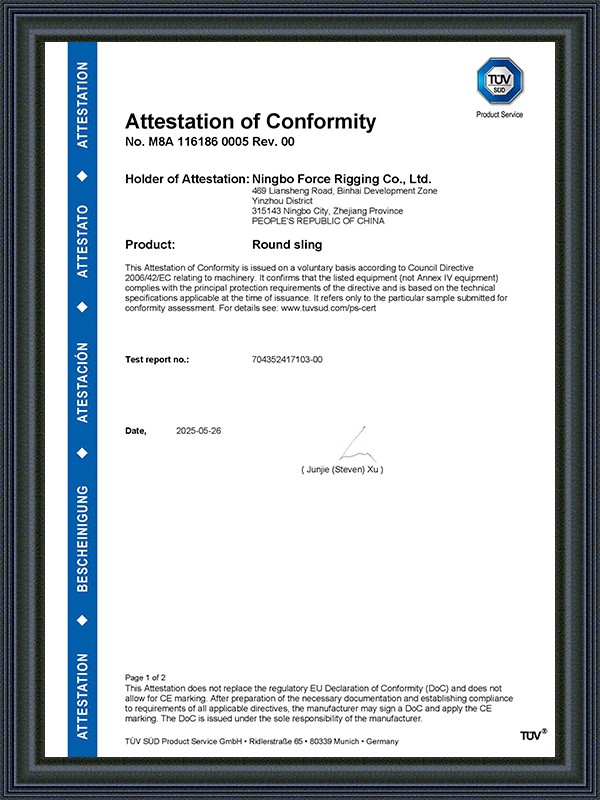
These slings are manufactured to meet global safety standards and are available with different safety factors. The European version follows a safety factor of 7:1, the US version has a 5:1 safety factor, and the Australian version comes with an 8:1 safety factor. This makes round slings suitable for a wide range of lifting capacities and safety requirements.
2. Features of Round Slings
(1) Configuration and Material
Round slings are typically made from high-strength synthetic fibers such as polyester (PES) or nylon (PA), which ensure they can handle heavy loads with ease. The material offers excellent resistance to abrasion and wear, ensuring durability and longevity even under harsh conditions.
These slings come in two main configurations:
- Endless slings: Used for balanced lifting, these slings are ideal for lifting loads from multiple angles.
- Eye-eye slings: Equipped with loops on both ends, they are used for quick and easy attachment to lifting hooks.
(2) Identification and Load Capacity
Round slings are color-coded for quick load identification. For instance, the EU version uses purple color for a 1-ton load capacity, with a black reference line for each additional ton. This allows for fast, efficient identification of the sling's lifting capacity.
These slings can handle loads ranging from lightweight applications (1 ton) to more heavy-duty lifting tasks (up to 100 tons or more), depending on the version and configuration.
3. Manufacturing Excellence
Ningbo Force Auto Parts Co., Ltd. has grown significantly since its inception. From 2008 to 2025, it has expanded from a 1,000㎡ startup to a modern production base spanning 30,000㎡. Our advanced facilities and intelligent production lines allow us to deliver 12 million high-quality pieces annually. We specialize in offering products like Tie Down Straps, Hardware, Lifting Slings, Tarps, and Corner Protectors to industries such as transportation, agriculture, construction, and energy.
4. Advantages of Round Slings
Round slings offer several key advantages that make them ideal for lifting applications:
- High strength-to-weight ratio: Round slings are lightweight yet capable of lifting heavy loads with ease.
- Durability: With their resistance to abrasion, chemical exposure, and UV degradation, round slings can withstand harsh environments.
- Versatility: Round slings are suitable for lifting a wide range of loads, including those with irregular shapes.
- Easy to use: The lightweight design makes them easy to handle, reducing operator fatigue during lifting tasks.
5. Frequently Asked Questions (FAQ)
(1) How do I choose the right round sling for my lifting needs?
Choose a round sling based on the weight of the load and the environment in which it will be used. Make sure to select the correct color coding to match the load capacity required for your specific lifting operation.
(2) Can round slings be used for lifting at angles?
Yes, round slings are ideal for lifting at angles. However, ensure that you account for the increased load on the sling when lifting at angles greater than 30 degrees.
(3) How do I inspect round slings for wear and tear?
Inspect round slings regularly for cuts, abrasions, or signs of fraying. Check the color coding and reference lines to ensure the sling is being used within its rated capacity.
(4) Are round slings compatible with all lifting equipment?
Yes, round slings are compatible with most lifting hooks and hoists. However, it is important to ensure that the sling’s capacity matches the equipment's lifting capacity.
(5) How should I store round slings?
Store round slings in a cool, dry place away from direct sunlight. Avoid storing them in areas where they may be exposed to sharp objects or extreme temperatures.
(6) What is the difference between the EU, US, and Australian versions of round slings?
The primary difference lies in the safety factor and the color coding used. The EU version has a 7:1 safety factor, the US version uses a 5:1 factor, and the Australian version features an 8:1 safety factor. The color coding also helps with quick load identification and matching the correct sling to the task at hand.