Industry Blog

Home / Blog / Industry Blog / What Are Motorcycle Tie Down Straps and How to Use Them?
Industry Blog Industry Blog Industry Blog
Industry Blog

What Are Motorcycle Tie Down Straps and How to Use Them?

Motorcycle tie down straps are specialized securing devices used to anchor a motorcycle firmly to a trailer, truck bed, or transport vehicle during transit. They prevent the bike from shifting, tipping, or sustaining damage while on the move. Used correctly, a quality set of tie down straps can make the difference between a motorcycle arriving safely and arriving damaged — or not at all. This guide covers what they are, how to choose the right type, and exactly how to use them step by step.

What Are Motorcycle Tie Down Straps?

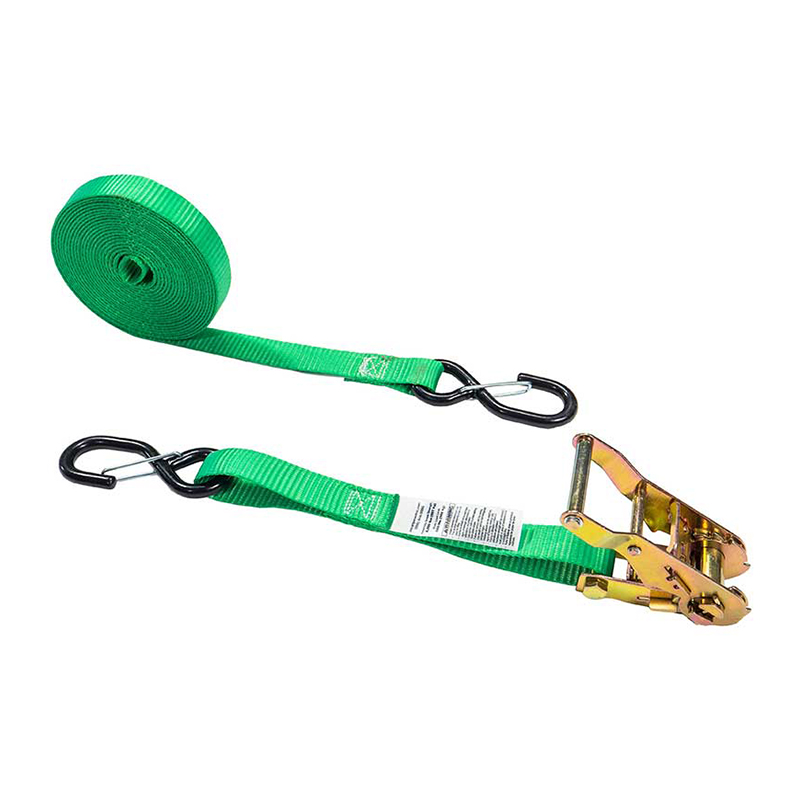
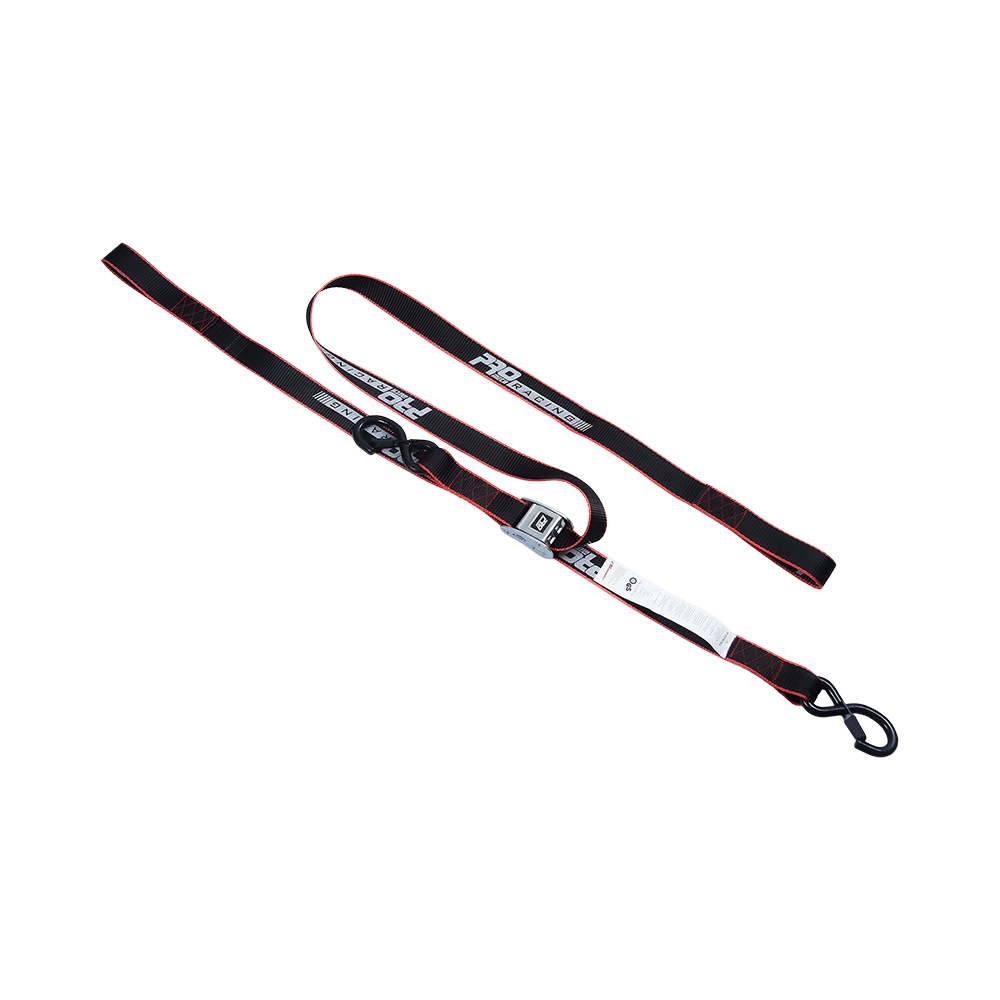
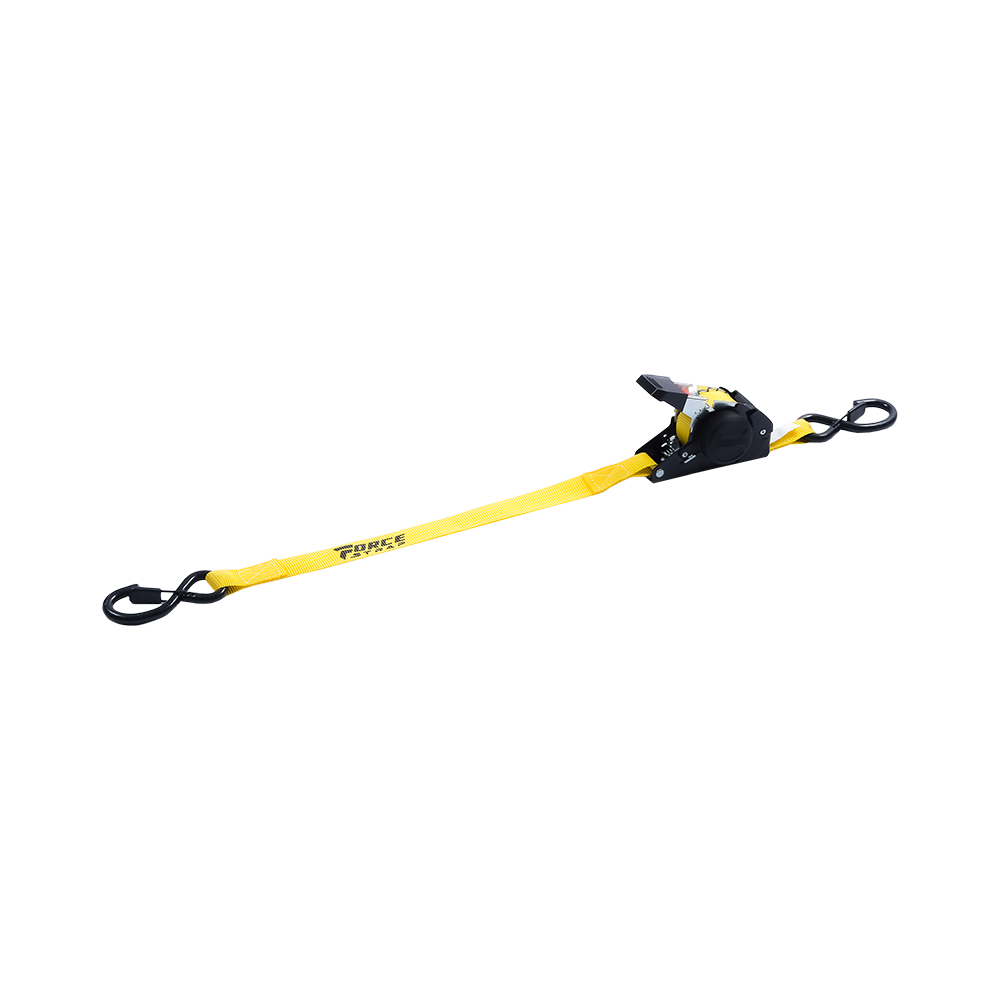
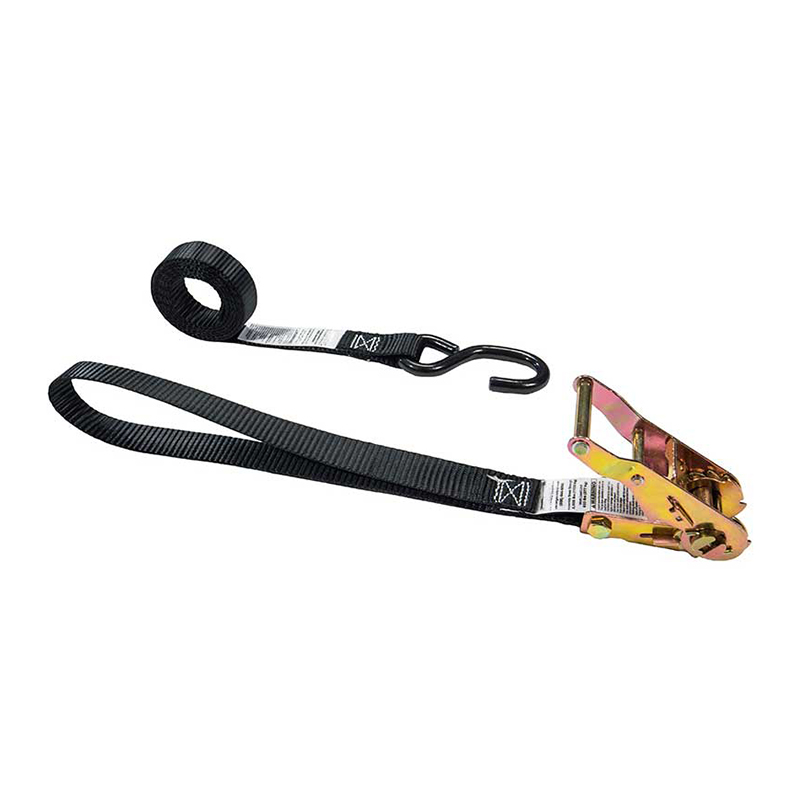
Motorcycle tie down straps are lengths of high-strength webbing — typically polyester — fitted with a tensioning buckle and hooks at each end. The buckle (most commonly a ratchet or cam buckle) allows you to tighten the strap progressively until the suspension is compressed and the bike is immobilized.

They fall within the broader category of tie down straps used across logistics, construction, and outdoor transport, but motorcycle-specific versions are designed to apply controlled, even compression without damaging handlebars, fairings, or forks. Standard widths are 1 inch to 2 inches, with working load limits (WLL) typically ranging from 500 lb to 1,500 lb for motorcycle applications.

Main Components of a Tie Down Strap

  • Webbing: High-tenacity polyester, resistant to UV, moisture, and abrasion
  • Ratchet or cam buckle: Provides controlled tensioning and easy release
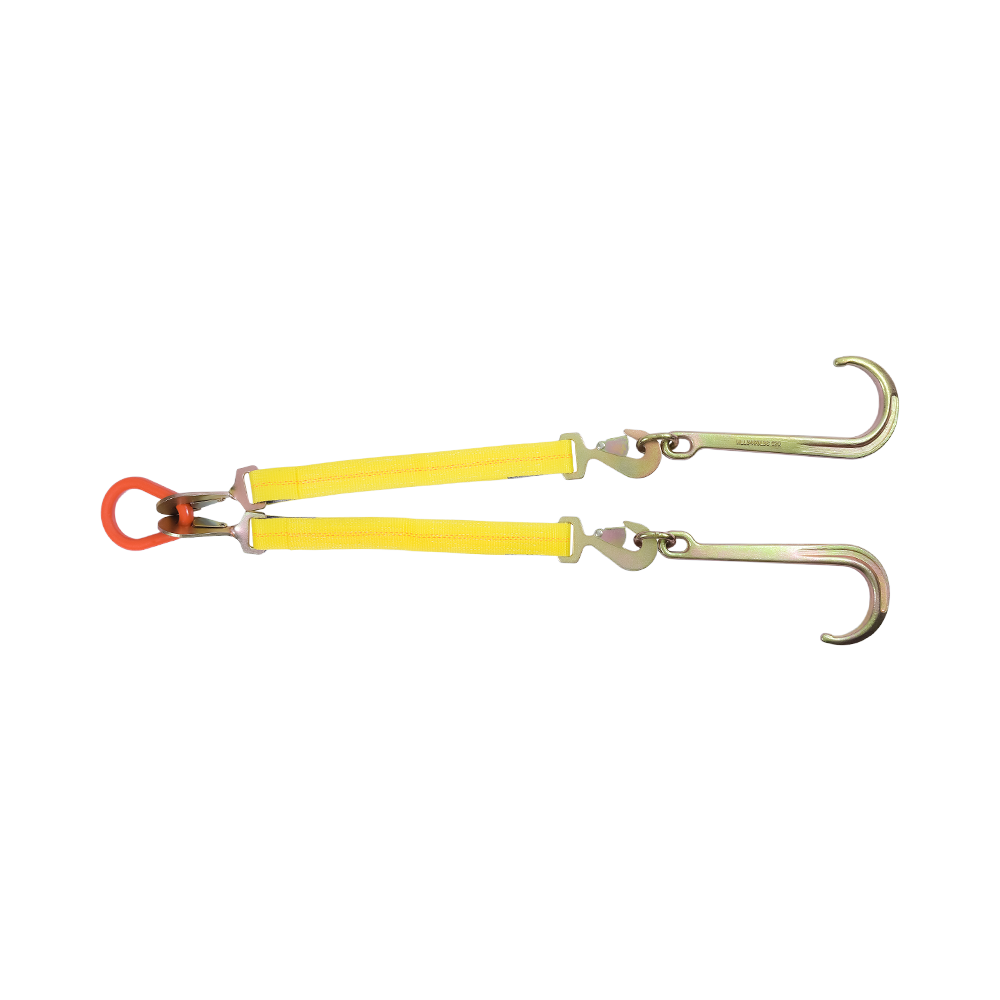
  • J-hooks or flat hooks: Attach to anchor points on the trailer or truck bed
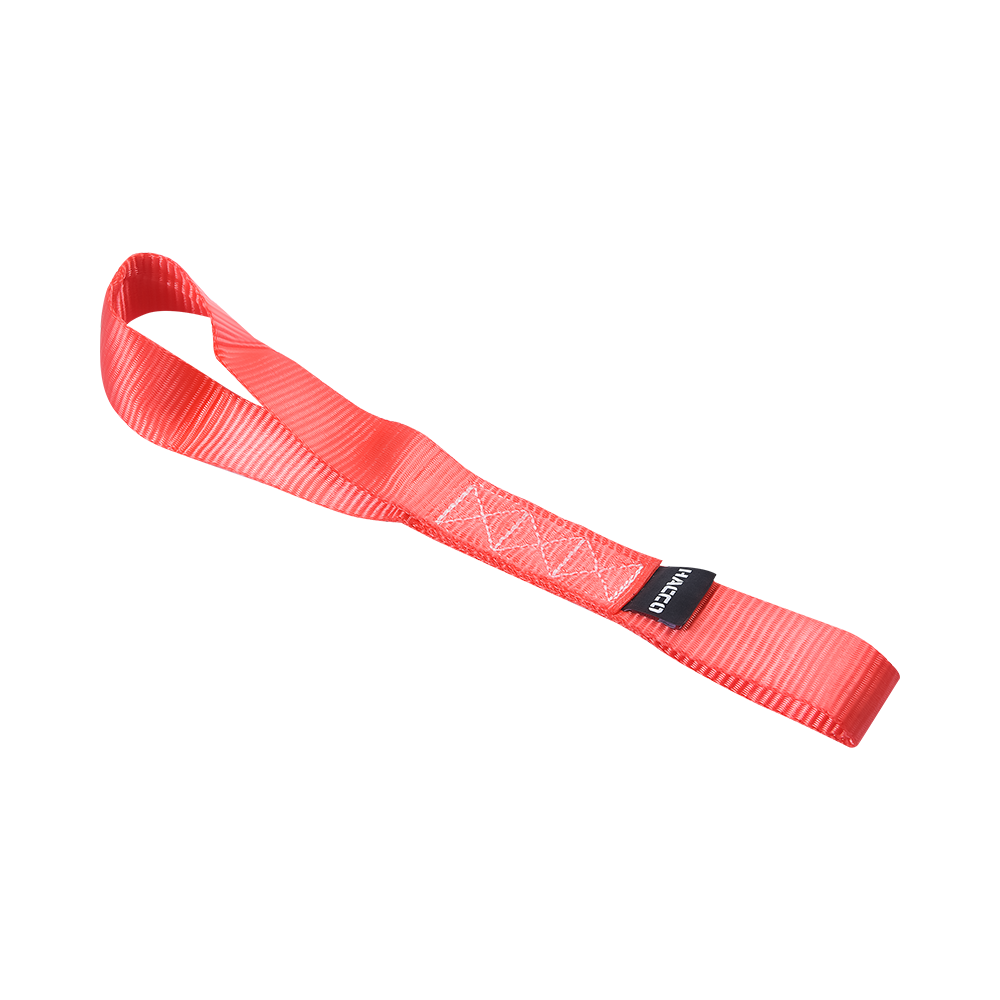
  • Soft loops (optional): Protect chrome and delicate surfaces where hooks could cause damage

Types of Tie Down Straps and When to Use Each

Not all tie down straps are interchangeable. Selecting the right type for your application — whether securing a motorcycle, a boat, or heavy cargo — directly affects safety and convenience.

Strap Type Buckle Mechanism Typical WLL Best For
Ratchet Strap Ratchet buckle 500–10,000 kg Motorcycles, heavy cargo, equipment
Cam Buckle Strap Cam buckle 100–500 kg Lighter loads, motorcycles, luggage
Heavy Duty Cargo Strap Ratchet / winch 2,000–10,000 kg+ Flatbed trucks, construction equipment
Boat Tie Down Strap Ratchet / cam 300–1,500 kg Securing watercraft on trailers
Winch Strap Flat end / hook up to 10 tons Industrial flatbeds, heavy hauling
Common tie down strap types, load ratings, and recommended applications

For most motorcycle transport scenarios, a 1-inch or 1.5-inch ratchet strap with a WLL of at least 500 lb (approximately 225 kg) per strap is the recommended choice. Using four straps — two forward, two rearward — distributes load evenly and exceeds minimum safety margins.

How to Use Motorcycle Tie Down Straps Correctly

Improper tie-down technique is one of the most common causes of motorcycle transport damage. Follow this step-by-step process to secure your bike safely every time.

Step-by-Step Securing Process

  1. Position the motorcycle centered on the trailer or truck bed, in an upright position with the front wheel against a wheel chock if available.
  2. Attach soft loops around the handlebars or fork tubes where the hooks will make contact — this protects chrome and painted surfaces.
  3. Hook the forward straps to the trailer anchor points at roughly a 45-degree angle from the handlebars toward the front corners of the trailer.
  4. Apply initial tension by hand to keep the bike upright while you attach the rear straps to the swingarm or rear frame points.
  5. Ratchet all four straps evenly, alternating between left and right, front and rear, until the suspension compresses by approximately 1–2 inches. Do not over-compress the suspension.
  6. Verify stability by pushing the bike firmly from multiple directions — it should not move more than a few millimeters in any direction.
  7. Secure excess strap webbing by bundling and tying loose ends to prevent flapping during transit.
  8. Check tension after 15–20 miles of driving, especially after the first stop, as webbing can settle slightly under vibration.

Where to Attach Straps on a Motorcycle

  • Handlebars: Most common front attachment point — always use soft loops
  • Fork tubes (lower legs): Acceptable alternative when handlebars are not accessible
  • Swingarm: Preferred rear attachment point — strong and not susceptible to damage
  • Frame loops: Tie-down loops welded to the frame, present on many adventure and touring bikes
  • Avoid: Brake lines, cables, exhaust pipes, mirrors, and plastic bodywork

Choosing the Right Working Load Limit

Every certified tie down strap carries a Working Load Limit (WLL) label — this is the maximum load the strap is rated to hold in normal use. WLL is typically one-third of the strap's minimum break strength (MBS). For motorcycle transport, the combined WLL of all straps used should be at least 1.5 times the weight of the motorcycle.

For example: A 500 lb (227 kg) motorcycle requires a combined WLL of at least 750 lb. Using four 1-inch ratchet straps each rated at 500 lb WLL provides a total working capacity of 2,000 lb — a comfortable and safe safety margin.

Typical Working Load Limit by Strap Width (lbs)
500 lb
1 inch
833 lb
1.5 inch
1,667 lb
2 inch
3,333 lb
3 inch
5,000 lb
4 inch
Representative WLL values for polyester ratchet tie down straps by webbing width

Heavy duty cargo straps in 3-inch and 4-inch widths are used for flatbed freight, machinery, and construction equipment — applications where loads can reach several tons. Boat tie down straps typically use 1.5-inch to 2-inch widths, balancing load capacity with the need to avoid hull damage.

Safety Standards That Matter: WLL, EN 12195, and More

Certified tie down straps are manufactured and tested to recognized international standards. Purchasing straps that meet these standards is not optional — it is a safety requirement for road-legal cargo securing in most jurisdictions.

  • WSTDA-T-1 (USA): Web Sling and Tie Down Association standard for ratchet tie downs, specifying construction, labeling, and testing requirements
  • EN 12195-2 (Europe): European standard covering lashing capacity, elongation, and safety labeling for load restraint on road vehicles
  • AS/NZS 4380 (Australia/NZ): Covers flat webbing slings and straps for cargo restraint across Australian transport regulations
  • WLL Label: Every compliant strap must display the Working Load Limit clearly on the buckle or a permanently attached tag

Straps without visible WLL labeling or third-party certification should not be used for vehicle or cargo transport — the risk of strap failure under dynamic load is significant.

Boat Tie Down Straps: Specific Considerations

Boat tie down straps serve a different function than motorcycle straps — rather than compressing suspension, they secure a hull against a padded trailer bunk or roller system. Key differences include:

  • Coated or padded hooks to prevent gelcoat scratching
  • Corrosion-resistant hardware — zinc-coated or stainless steel buckles for marine environments
  • Wider webbing (1.5–2 inch) to distribute pressure across the hull without point-loading
  • Bow safety chain or strap in addition to side straps — required by law in many states

Boats up to 20 feet typically require two bow straps and two stern straps with a combined WLL of at least 1.5 times the vessel's dry weight. Larger vessels require additional strapping points and may require heavy duty cargo straps rated at 2,000 kg or above.

Common Mistakes to Avoid When Using Tie Down Straps

Even experienced riders and haulers make avoidable errors. The following mistakes consistently account for cargo loss and vehicle damage during transport:

  • Over-tensioning: Compressing the suspension more than 2 inches can permanently damage fork seals and shock absorbers
  • Using damaged straps: Cuts, fraying, chemical exposure, and UV degradation all reduce strap strength — inspect before every use
  • Hooking to fragile parts: Attaching to exhaust, fairings, or brake lines risks component damage and strap failure
  • Using too few straps: Two straps is a minimum in calm conditions — four straps is the safety standard for highway transport
  • Ignoring strap angle: Straps should pull at roughly 45 degrees — straps pulling straight down lose lateral restraint effectiveness
  • Not re-checking tension en route: Polyester webbing can relax slightly after initial loading — always recheck after the first 15–20 miles

Tie Down Strap Adoption Across Transport Applications

Global Cargo Securement Strap Market Size (Billion USD, 2019–2029 Est.)
2.0 3.2 4.1 5.0 $2.3B $2.7B $3.2B $3.8B $4.4B $5.1B 2019 2021 2023 2025E 2027E 2029E
Estimated global cargo securement and tie down strap market size, 2019–2029

Growth is driven by expanding e-commerce logistics, increased recreational vehicle and powersports ownership, and tightening road safety regulations worldwide requiring compliant cargo securement on commercial and private vehicles.

Inspection and Maintenance: Extending Strap Life Safely

Tie down straps are not permanent equipment — they degrade with use, UV exposure, and chemical contact. A routine inspection protocol is essential, particularly for straps used frequently or stored outdoors.

Inspection Checklist Before Each Use

  • Check webbing for cuts, fraying, holes, or discoloration — replace immediately if any are found
  • Verify the ratchet mechanism clicks cleanly and releases smoothly without sticking
  • Inspect all hooks for deformation, cracks, or corrosion — a bent hook indicates overloading
  • Confirm the WLL label is still readable — unlabeled straps should not be used
  • Discard straps that have been involved in a sudden shock load event, even if visually undamaged

Store straps loosely coiled in a cool, dry location away from direct sunlight. UV radiation is one of the primary causes of polyester webbing degradation — straps stored outdoors can lose up to 30% of their tensile strength within 12–18 months depending on exposure levels.

About Ningbo Force Auto Parts Co., Ltd.

Ningbo Force Auto Parts Co., Ltd. offers a versatile range of tie-down straps, including cam buckle, ratchet buckle, winch, automatic, and tow straps, among others. Constructed from high-strength polyester webbing with durable buckles and hooks, these straps comply with American, European, and Australian standards.

Available in 1–4 inch widths with tensile strengths up to 5,000 kg or even 10 tons, they are ideal for logistics, transportation, construction, and outdoor applications. Our ratchet straps are rigorously tested for safety, labeled with Working Load Limit (WLL), and meet WSTDA-T-1, EN-12195, and AS/NZ 4380 standards, ensuring secure cargo transport.

We provide tailored solutions to meet unique needs, backed by our WSTDA membership and commitment to quality. Whether you need motorcycle tie down straps, boat tie down straps, or heavy duty cargo straps for industrial use, Ningbo Force Auto Parts delivers certified, reliable performance.
Frequently Asked Questions

Q1: How many tie down straps do I need for a motorcycle?
A minimum of four straps is recommended for highway transport — two attached to the front (typically the handlebars) and two to the rear (swingarm or frame). Two straps may be sufficient for very short, low-speed moves, but four straps provide the safety margin required for reliable road transport.
Q2: Can I use heavy duty cargo straps for a motorcycle?
Heavy duty cargo straps in 3-inch or 4-inch widths are generally too wide and generate too much clamping force for motorcycle handlebars or fork tubes. Use 1-inch or 1.5-inch ratchet straps specifically rated for powersports applications, with soft loops to protect contact surfaces.
Q3: What WLL rating should motorcycle tie down straps have?
Each strap should have a minimum WLL of 500 lb (225 kg). With four straps, this gives a combined working capacity of 2,000 lb — well above the weight of most motorcycles. Always verify the WLL label is present and legible before use.
Q4: Are boat tie down straps different from motorcycle straps?
Yes. Boat tie down straps typically feature coated or padded hooks to protect gelcoat, corrosion-resistant hardware for marine exposure, and wider webbing to spread load across the hull. Motorcycle straps prioritize controlled suspension compression and compatibility with handlebars and frame points.
Q5: How often should tie down straps be replaced?
Replace straps immediately if you find cuts, fraying, corrosion on hardware, or fading of the WLL label. As a general guideline, straps used regularly in outdoor conditions should be evaluated annually. Straps exposed to prolonged UV or chemical environments may require replacement every 12–18 months regardless of visible condition.