Ningbo Force Auto Parts Co., Ltd.
- joe@forcerigging.com
- +86-18650363763
Ningbo Force Auto Parts Co., Ltd.
The direct answer: an L track tie down system secures cargo faster, more flexibly, and more reliably than fixed anchor points or E-track alternatives when the rail layout, fitting type, and strap working load limit are correctly matched to the load. A properly configured L track system allows any attachment point to be repositioned along the full rail length in under 10 seconds without tools — eliminating the compromised anchor placement that causes most cargo shift incidents. This guide covers every step from layout planning through fitting selection, installation, and load compliance, giving you a complete professional framework for 2026.
L Track Systems are now standard in professional van conversions, enclosed trailers, flatbed configurations, air cargo, and specialty transport — anywhere that load geometry changes between jobs and fixed anchor points create more problems than they solve.
Content
Understanding what distinguishes an L track tie down system from fixed rings, E-track, and other cargo rail systems clarifies why it has become the preferred solution for variable-load transport applications.
L track — also called L-track or logistic track — takes its name from the cross-sectional profile of the rail. The horizontal flange mounts flush to the floor, wall, or ceiling surface, while the vertical leg projects outward to form the engagement slot. Fittings insert into this slot and rotate 90 degrees to lock, creating a connection that resists both pull-out and side loading simultaneously. This dual-axis engagement is what gives L track its higher working load rating per fitting compared to E-track, where fittings engage only in the vertical plane.
E-track fittings engage at fixed slots spaced typically 50.8 mm (2 inches) apart. L track fittings slide continuously along the rail and lock at any point — providing effectively infinite adjustment resolution. In practical terms, this means anchor points can always be placed directly above or beside the cargo tie-down point on the load, eliminating the angled strapping that reduces effective working load when anchor points don't align with the load geometry.
Standard aluminum L track fittings carry a working load limit (WLL) of 1,000–1,500 lbs (453–680 kg) per fitting in direct pull. Steel L track fittings rate at 1,500–3,300 lbs (680–1,500 kg) per fitting. Comparable E-track single-point fittings typically rate at 500–1,000 lbs. The higher per-fitting rating of L track means fewer tie-down points are needed to comply with cargo securement regulations — reducing both setup time and strap count per load.
| System Type | Adjustment | WLL per Point | Install Direction | Best Application |
|---|---|---|---|---|
| Fixed Ring | None | 1,000–5,000 lbs | Any | Fixed recurring loads |
| E-Track | 50.8 mm increments | 500–1,000 lbs | Horizontal / Vertical | Light van, RV cargo |
| L Track (Aluminum) | Continuous | 1,000–1,500 lbs | Floor / Wall / Ceiling | Variable cargo, vans, air |
| L Track (Steel) | Continuous | 1,500–3,300 lbs | Floor / Wall / Ceiling | Heavy freight, trailers |
The effectiveness of a cargo tie down rail installation depends entirely on layout planning before a single fastener goes in. A poorly spaced rail layout forces diagonal strapping angles that reduce strap effectiveness and may leave load zones without compliant anchor coverage. The following rules apply to floor, wall, and ceiling installations.
For floor-mounted L track in van or trailer applications, run rails longitudinally (front-to-back) with a lateral spacing of 400–600 mm (16–24 inches) between rail centerlines. This spacing accommodates most standard pallet widths (1,000 mm / 40 inches standard Euro pallet, 1,200 mm / 48 inches standard US pallet) with at least one rail under each pallet side. For flatbed applications with wide or irregularly shaped loads, add a third center rail to ensure anchor point availability across the full load width.
Wall-mounted cargo tie down rails for over-strap securement should be positioned at 400–500 mm (16–20 inches) above the floor for low cargo and at 900–1,100 mm (36–44 inches) for mid-height or top-strap applications. Installing rails at both heights in enclosed trailers and vans gives maximum flexibility — low rails secure floor-level cargo with direct tie-downs, while high rails provide over-strap anchor points for tall or stacked loads.
L track rails are available in standard lengths of 1,000 mm, 1,500 mm, 2,000 mm, and 3,000 mm. For installations longer than the available single-piece length, rails join end-to-end using splicing inserts that maintain fitting continuity across the joint. Leave a minimum gap of 25 mm between rail ends at the splice to allow for thermal expansion — aluminum expands approximately 0.023 mm per meter per degree Celsius, which becomes significant in outdoor trailer applications with large seasonal temperature swings.
The rail itself is only as strong as its attachment to the vehicle or trailer structure. Incorrect fastener selection or installation into an inadequate substrate is the leading cause of L track system failure under load. The following specifications apply to the most common installation scenarios.
Use grade 8 (SAE) or 10.9 (metric) bolts for all structural L track installations. Never use sheet metal screws or self-tapping fasteners for primary load-bearing rail attachment — these fastener types provide insufficient pull-out strength for rated WLL applications. Recommended fastener size is M8 (5/16 inch) minimum for aluminum L track and M10 (3/8 inch) minimum for steel L track. Space fasteners at maximum 300 mm (12 inch) intervals along the rail, with fasteners within 50 mm of each rail end to prevent end-lift under loading.
The substrate must transfer the rail load into the vehicle structure. Common substrates and their minimum thickness requirements for full WLL applications are:
When mounting aluminum L track to a steel substrate, use a rubber or neoprene isolation strip between the rail and the steel surface to prevent galvanic corrosion. Without isolation, the aluminum-steel contact in the presence of moisture creates an electrochemical cell that corrodes the aluminum rail flange within 12–18 months of outdoor exposure. This is a frequently overlooked installation detail that causes premature rail failure and voided load ratings.
The fitting is the interface between the L track tie down system and the strap or restraint device. Choosing the correct fitting type for the load geometry and strap direction determines whether the installation operates at its rated WLL or significantly below it.
The most common L track fitting — a flat plate with a single anchor stud, D-ring, or hook attachment. Single-stud fittings are ideal for direct strap attachment where the strap runs approximately perpendicular to the rail. They perform best when the strap angle does not exceed 30 degrees from perpendicular to the rail — beyond this angle, fitting moment load increases rapidly and effective WLL drops.
Double-stud fittings engage two slots in the L track simultaneously, significantly increasing resistance to rotational moment under oblique loading. Use double-stud fittings when strap angles exceed 30 degrees from perpendicular, when loads impose large side forces on the fitting, or when securing heavy equipment that generates vibration-induced fitting movement. The wider engagement footprint also distributes rail loading more evenly, reducing peak stress on the rail at the fitting location.
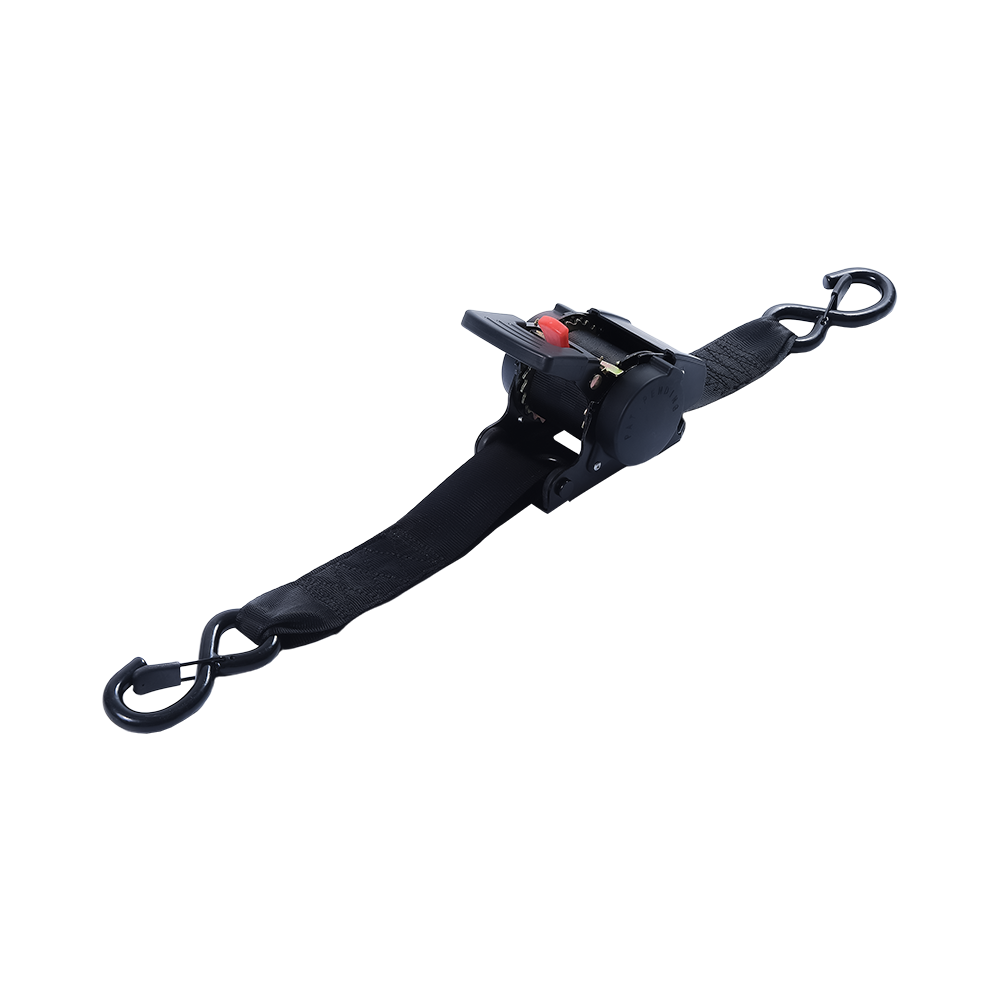
Some L track fittings incorporate the ratchet mechanism directly into the fitting body — creating a single-piece assembly that slides into the track, locks, and applies strap tension without a separate strap anchor fitting. These integrated units reduce component count and eliminate the risk of mismatched strap-to-fitting connections. They are widely used in air freight ULD applications where setup speed and component accountability are critical.
Using an L track system correctly means more than selecting the right components — it means meeting the regulatory requirements that define how many tie-down points are needed, at what working load, and in what configuration. The primary standards governing road cargo securement in 2026 are FMCSA 49 CFR Part 393 (North America) and EN 12195 (Europe). Both frameworks share the same core logic.
An L track tie down system is a safety-critical assembly. Regular inspection and timely component replacement maintain the system at its rated performance and prevent the gradual degradation that makes cargo shift incidents more likely over time.
Replace any component immediately if the following conditions are observed: visible cracking in any metal component; strap webbing cut, frayed, or worn through more than 10% of width; ratchet mechanism that does not hold tension under load; fitting that does not achieve positive 90-degree lock rotation; or any component involved in a load shift incident, regardless of visible damage. Load shift events impose dynamic forces that can exceed rated WLL by 3–5× and may produce internal damage not visible on external inspection.
From 2008 to 2025, Ningbo Force Auto Parts Co., Ltd. grew from a 1,000 m² startup to a 30,000 m² modern production base, delivering 12 million high-quality pieces annually. As a professional China OEM L Track Systems company and ODM L Track Systems supplier, the company provides full ODM and OEM services across its product range.
Ningbo Force offers tie down straps, hardware, lifting slings, tarps, and corner protectors, serving industries including transportation, agriculture, construction, energy, and more. All products hold CE, S-mark, GS, and ISO 9001:2015 certifications, ensuring compliance with global quality standards. Equipped with advanced production facilities and a dedicated R&D team, the company drives continuous innovation and maintains a stable global presence. As a WSTDA member, Ningbo Force fosters industry collaboration and is committed to providing safe, eco-conscious logistics solutions for customers worldwide.
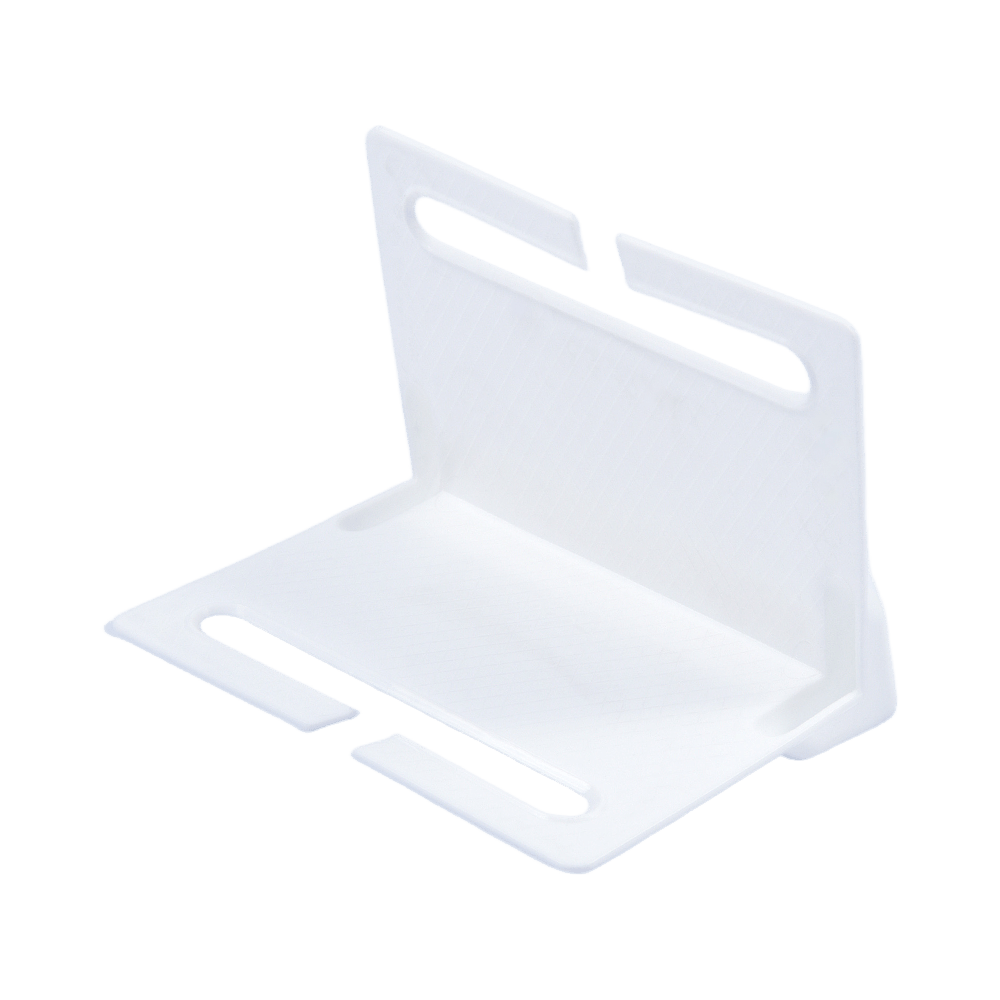
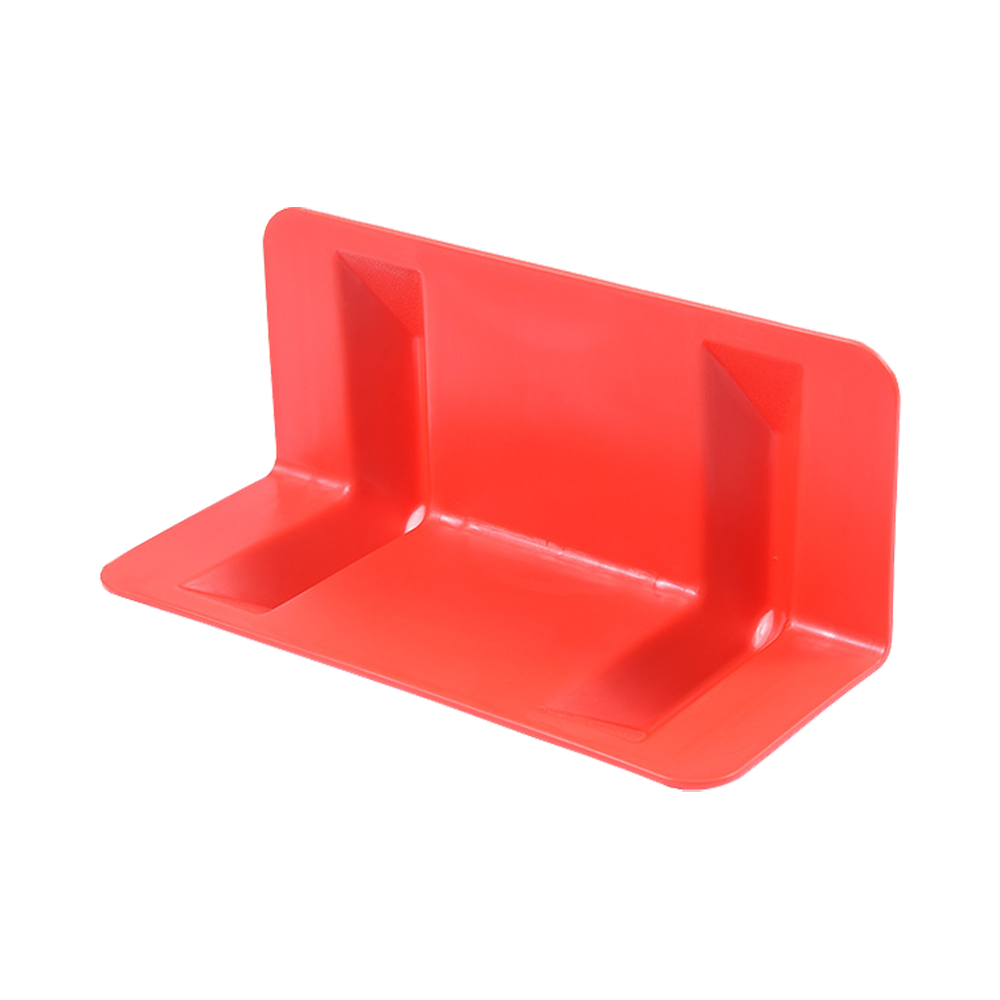

The company specialises in the field of logistics transportation,cargo control,lifting and hoisting products.


joe@forcerigging.com
+86-18650363763
No.469, Liansheng Road, Yinzhou District, Ningbo, Zhejiang Province, China.315111
Copyright © 2025 by Ningbo Force Auto Parts Co., Ltd. All Rights Reserved. China Ratchet Straps Manufacturers OEM/ODM Load Binding and Rigging Company


 English
 Español
 عربى
عربى 中文简体
中文简体