Ningbo Force Auto Parts Co., Ltd.
- joe@forcerigging.com
- +86-18650363763
Ningbo Force Auto Parts Co., Ltd.
The direct answer: Heavy Duty Cargo Straps can reduce load damage by up to 40% in 2026 when operators match strap specifications to load type, apply correct tensioning technique, and use purpose-built hardware for each application — whether securing marine equipment with Boat Tie Down Straps, stabilizing motorcycles with Motorcycle Tie Down Straps, or managing commercial freight with industrial-grade Tie Down Straps.
This 40% reduction is not a theoretical figure. It reflects documented outcomes from fleet operators and logistics managers who moved from improvised rope-and-bungee setups to properly rated, certified Heavy Duty Cargo Straps with consistent tensioning protocols. The savings show up as fewer insurance claims, less rework at delivery, and improved driver safety records.
Content
Despite widely available securing equipment, load shift and cargo damage remain a persistent problem across transportation sectors. Industry data indicates that cargo movement during transit accounts for approximately 35–45% of all freight damage claims filed annually. The root causes break down into three categories:
Addressing all four of these factors simultaneously — through correct Heavy Duty Cargo Straps selection combined with proper technique — is what produces the 40% damage reduction outcome.
The bar chart below shows estimated load damage reduction attributable to each corrective action when operators upgrade from generic rope or low-rated straps to purpose-specified Heavy Duty Cargo Straps with proper protocols.
Estimated Load Damage Reduction by Corrective Action (%)
Figure 1: Estimated contribution of each corrective action to total load damage reduction when using Heavy Duty Cargo Straps
Not all Tie Down Straps are created equal. For operators managing serious cargo loads, understanding the following specifications is essential before any purchasing decision:
| Specification | What It Means | Why It Matters |
|---|---|---|
| Working Load Limit (WLL) | Maximum safe load per strap in static use | Determines how many straps are needed for a given load weight |
| Break Strength | Force at which the strap fails completely | Typically 3x WLL; confirms safety margin under dynamic forces |
| Webbing Width | 1", 2", 3", or 4" polyester webbing | Wider webbing distributes contact force, reducing cargo surface damage |
| Elongation Rate | Stretch percentage at WLL | Low elongation (under 7%) maintains tension during vibration and braking |
| End Fitting Type | J-hook, flat hook, snap hook, chain extension | Must match anchor point geometry on vehicle or trailer |
| Certifications | CE, GS, S-mark, ISO 9001:2015 | Confirms independent testing and compliance with safety regulations |
Transporting boats and personal watercraft by road creates unique securing challenges. Boat Tie Down Straps must resist not only the static weight of the vessel but also the dynamic forces of highway travel — including crosswinds that can generate lateral forces equivalent to 15–20% of the boat's weight at 65 mph.
Motorcycles present a distinct securing problem: they are relatively light (400–800 lbs for most road bikes) but top-heavy, with narrow footprints and suspension systems that compress under downward strap tension. Incorrect technique with standard Tie Down Straps is a leading cause of fork seal damage, handlebar damage, and transport tip-overs.
As certified Heavy Duty Cargo Straps have become more widely adopted, measurable reductions in cargo damage rates have followed. The line chart below tracks this correlation across the transportation sector.
Cargo Damage Incident Rate Index vs. Certified Strap Adoption Rate (2019–2026)
Figure 2: Cargo damage incident rate index (solid) vs. certified Heavy Duty Cargo Straps adoption rate (dashed), 2019–2026 (estimated)
The data shows a clear inverse relationship: as certified strap adoption climbed from 28% in 2019 to a projected 79% in 2026, the cargo damage incident rate index declined by 45 points over the same period — validating the practical impact of proper strap selection and use.
A common mistake is treating all Tie Down Straps as interchangeable. Each application has distinct requirements that, when matched correctly, maximize both safety and cargo protection:
| Application | Recommended Strap Type | Key Feature to Prioritize | Minimum WLL |
|---|---|---|---|
| Commercial freight (flatbed) | Heavy Duty Cargo Straps, 4" wide | High WLL, low elongation webbing | 5,000 lbs per strap |
| Marine / boat transport | Boat Tie Down Straps, coated hooks | Corrosion resistance, soft loops | 1,000–2,500 lbs per strap |
| Motorcycle / ATV transport | Motorcycle Tie Down Straps, 1.5–2" | Soft loops, cam buckle or ratchet | 500–1,000 lbs per strap |
| Construction equipment | Heavy Duty Cargo Straps with chains | Chain extensions, abrasion resistance | 10,000+ lbs per strap |
| Agricultural machinery | Wide-body Tie Down Straps, 3–4" | UV resistance, long strap length | 3,000–6,000 lbs per strap |
Even the best Heavy Duty Cargo Straps degrade with use. A strap that passes visual inspection 50 trips in a row can fail on trip 51 if internal fiber damage has accumulated below the surface. The WSTDA (Web Sling and Tie Down Association) recommends a structured inspection approach before every use:
From 2008 to 2025, Ningbo Force Auto Parts Co., Ltd. grew from a 1,000 sq meter startup to a 30,000 sq meter modern production base, delivering 12 million high-quality pieces annually to customers across transportation, agriculture, construction, energy, and related industries.
As a China OEM Boat Tie Down Straps manufacturer and ODM Motorcycle Tie Down Straps supplier, Ningbo Force provides comprehensive ODM and OEM services tailored to specific application requirements. The company's product range covers Tie Down Straps, Hardware, Lifting Slings, Tarps, and Corner Protectors — offering a complete cargo securing ecosystem under one roof.
All products hold CE, S-mark, GS, and ISO 9001:2015 certifications, ensuring compliance with international quality and safety standards. Equipped with advanced manufacturing facilities and a dedicated R&D team, the company drives continuous product innovation while maintaining a stable global business presence. As a WSTDA member, Ningbo Force actively participates in industry collaboration and is committed to delivering safe, eco-conscious logistics securing solutions worldwide.
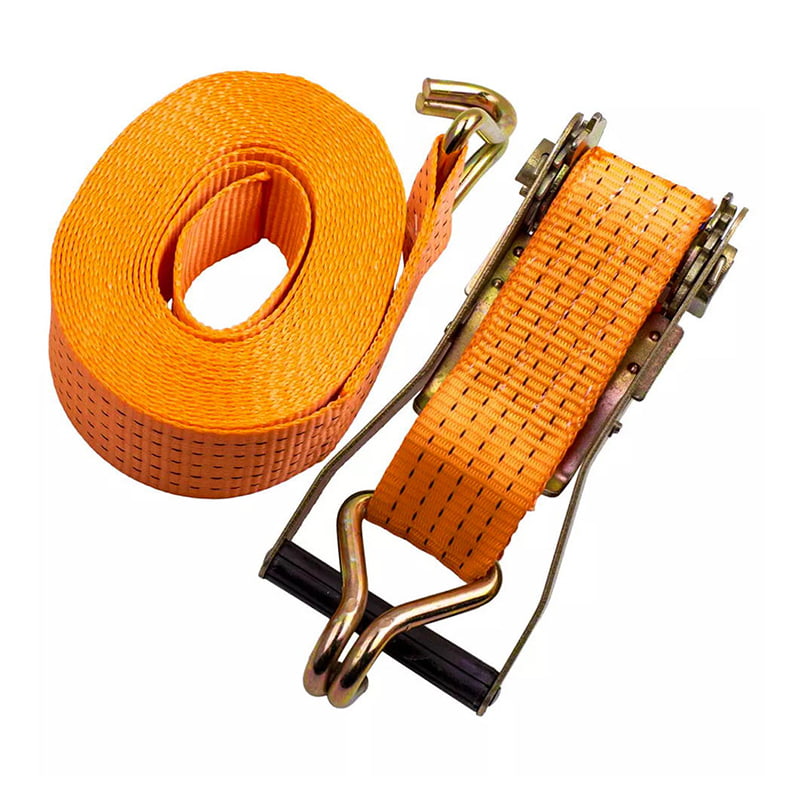
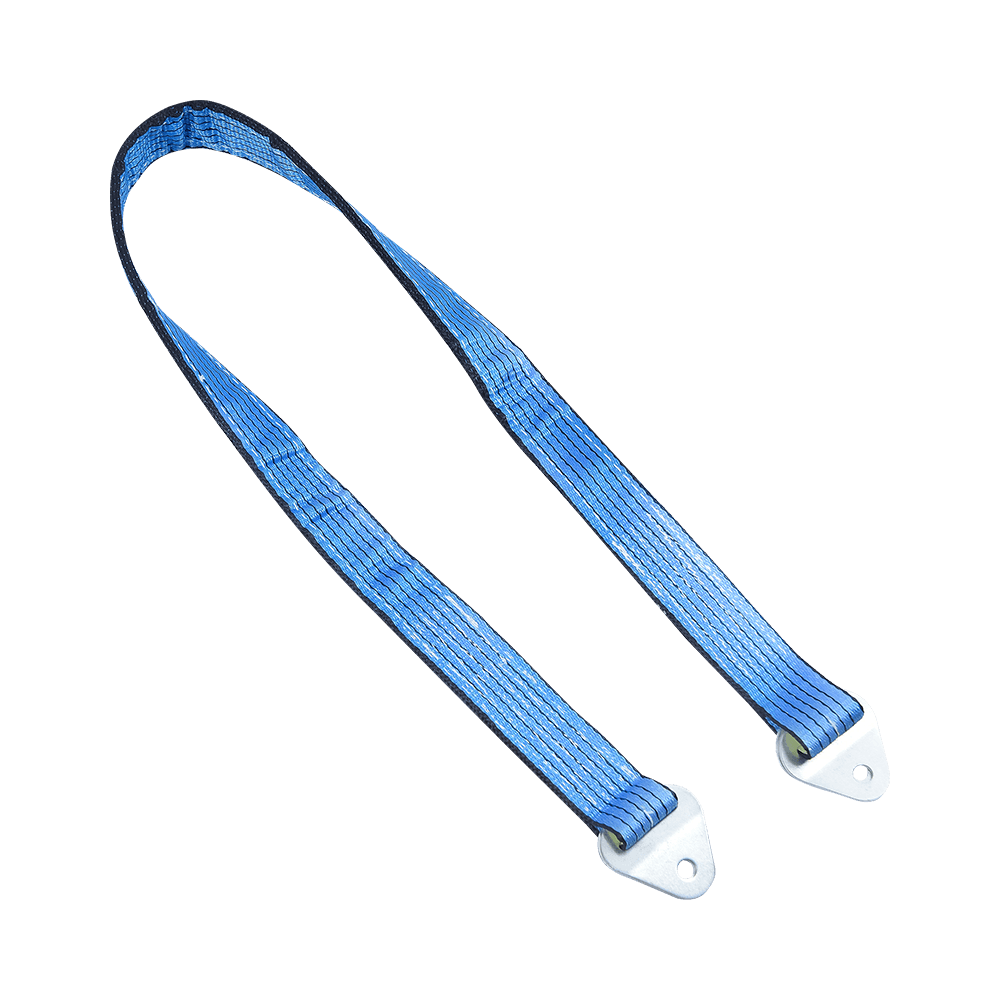
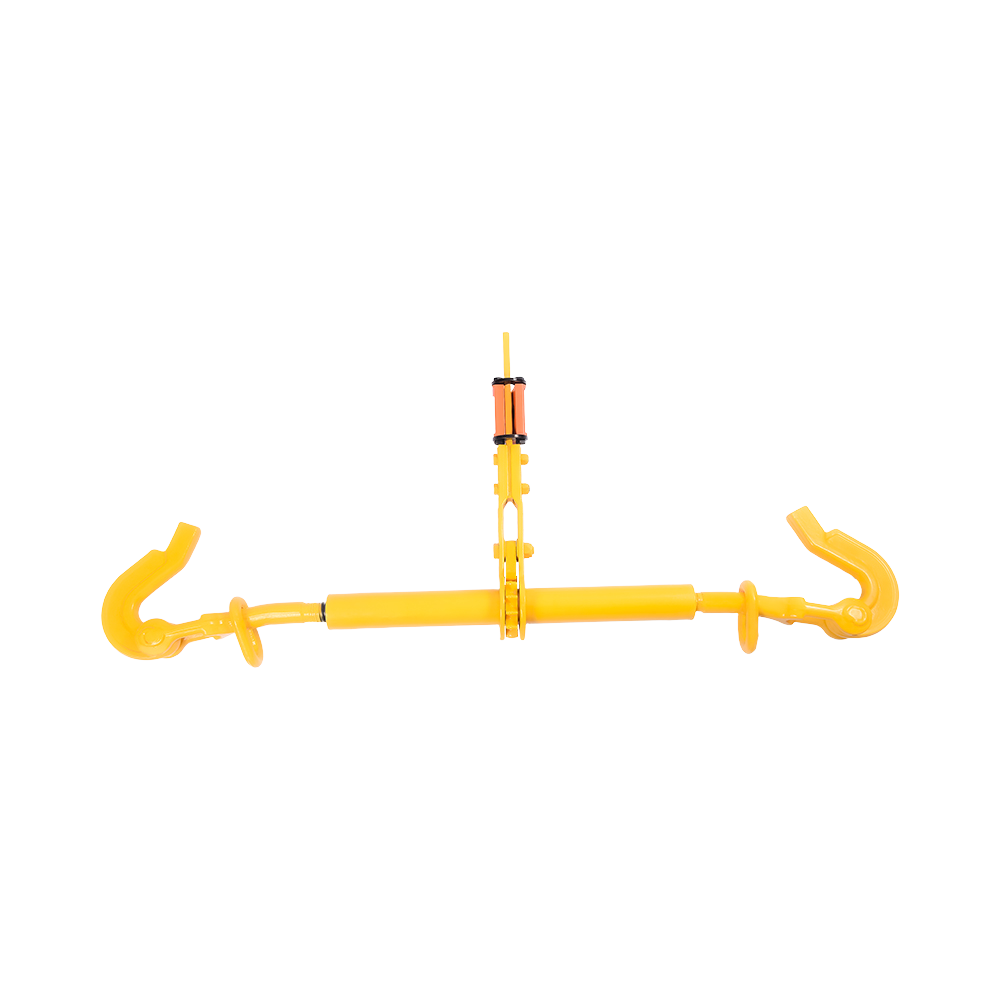
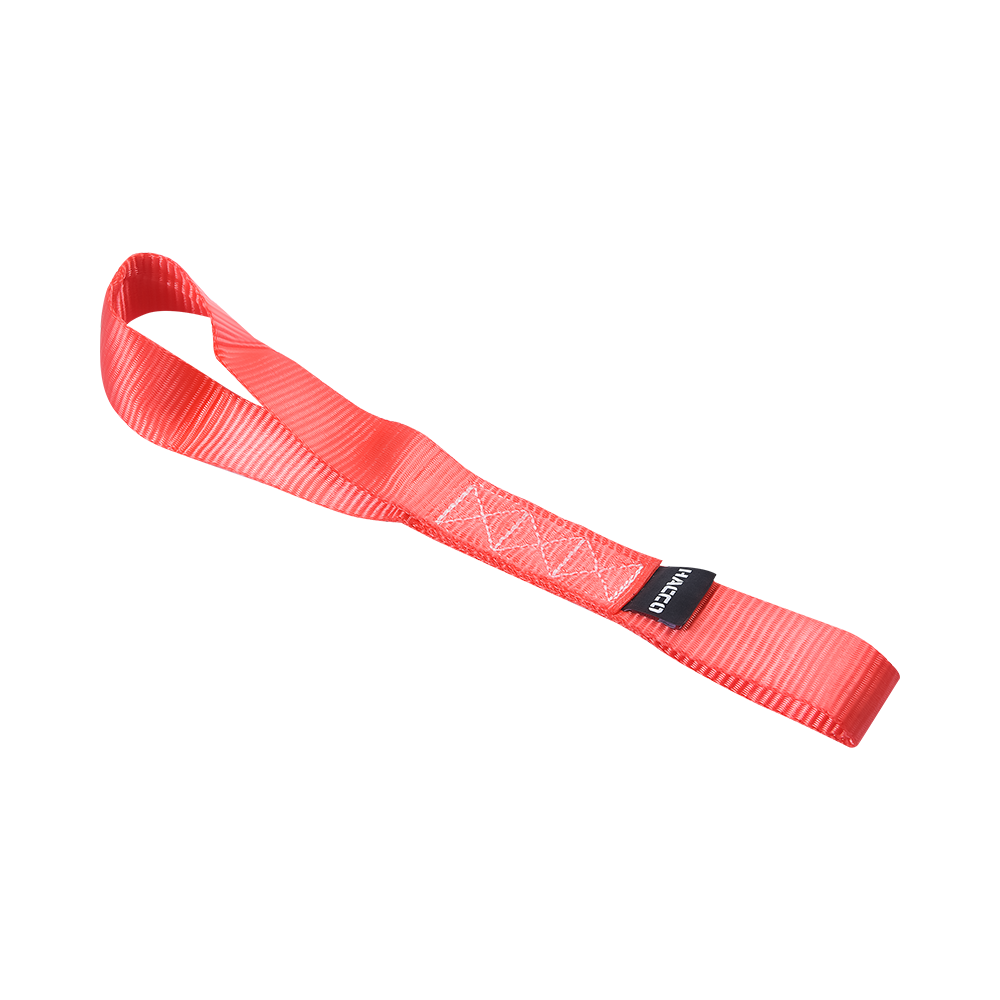
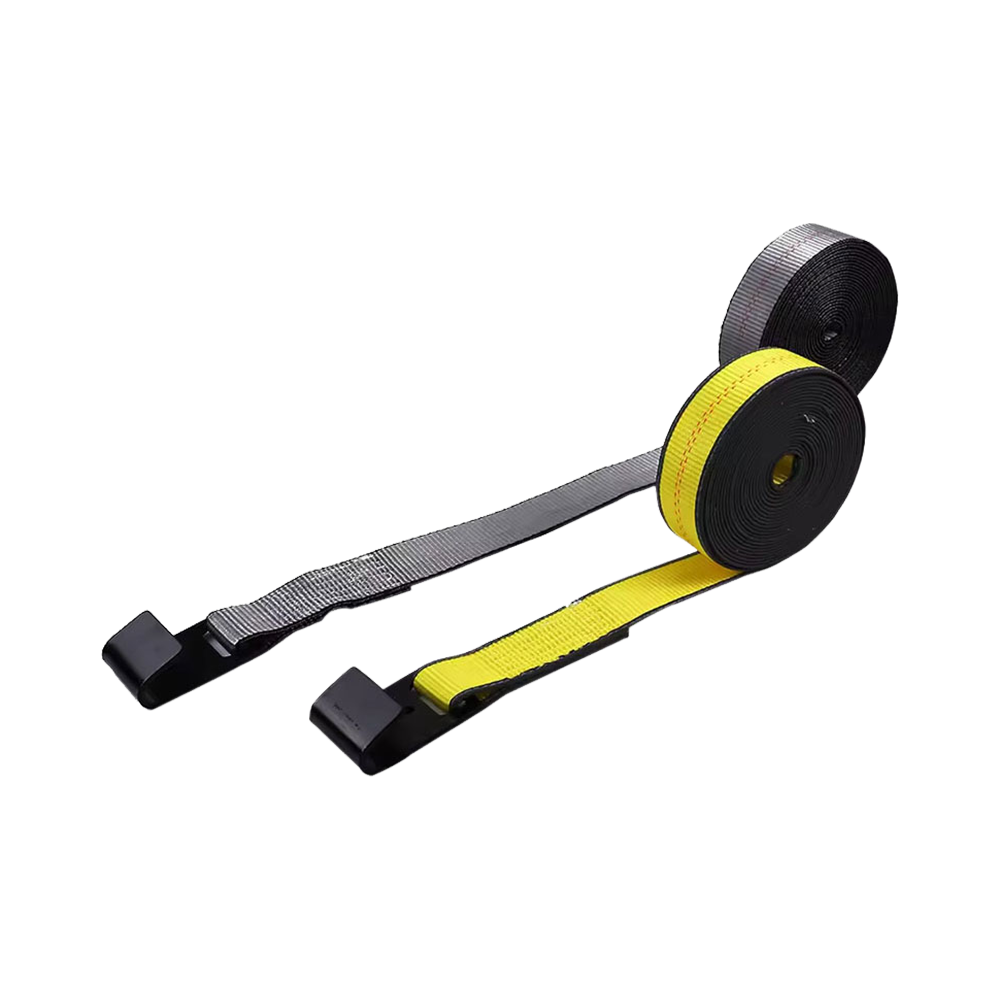
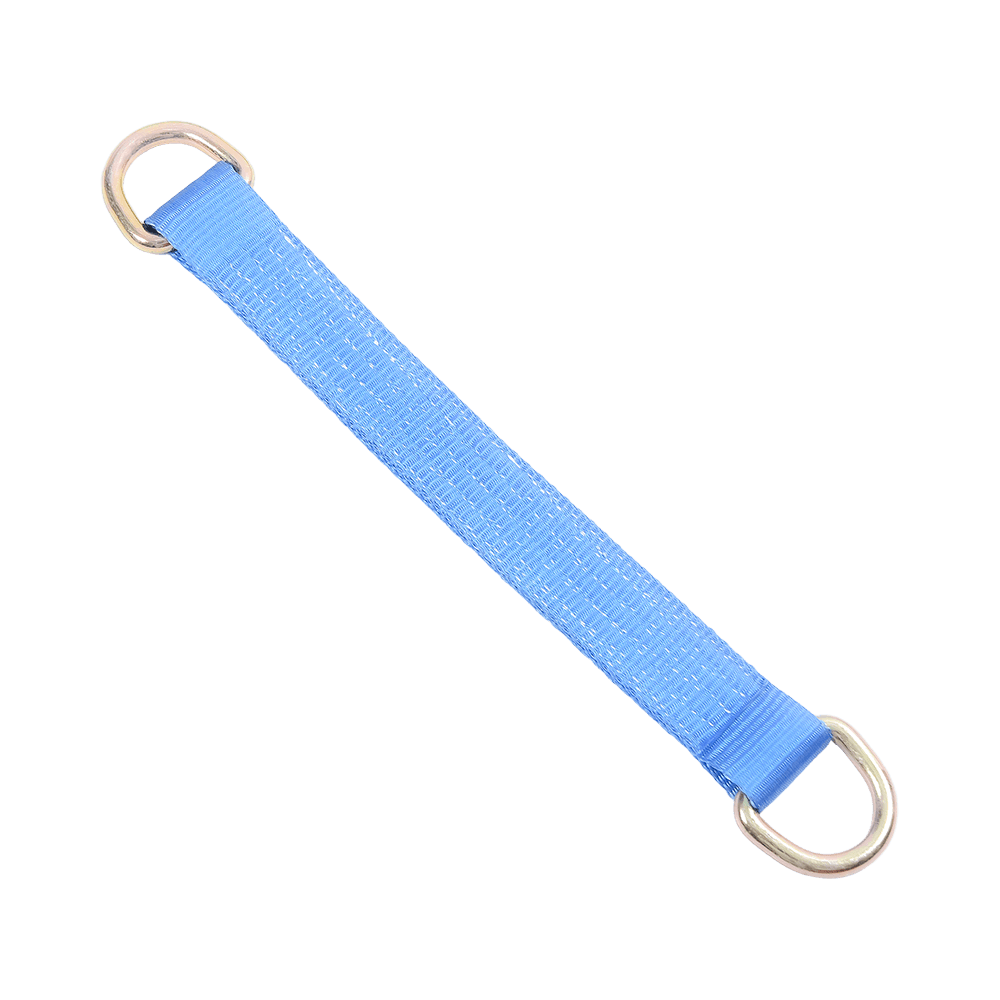

The company specialises in the field of logistics transportation,cargo control,lifting and hoisting products.


joe@forcerigging.com
+86-18650363763
No.469, Liansheng Road, Yinzhou District, Ningbo, Zhejiang Province, China.315111
Copyright © 2025 by Ningbo Force Auto Parts Co., Ltd. All Rights Reserved. China Ratchet Straps Manufacturers OEM/ODM Load Binding and Rigging Company


 English
 Español
 عربى
عربى 中文简体
中文简体