Ningbo Force Auto Parts Co., Ltd.
- joe@forcerigging.com
- +86-18650363763
Ningbo Force Auto Parts Co., Ltd.
Industry data from the Federal Motor Carrier Safety Administration (FMCSA) shows that improper cargo securement contributes to over 27% of commercial truck accidents annually. Installing a properly engineered E-Track system can reduce cargo shift incidents by up to 50% — making it one of the most impactful upgrades available for trailers and cargo vehicles in 2026.
The reason is straightforward: a well-designed E Track System For Cargo Trailer distributes load forces across multiple anchor points simultaneously, eliminates the need for improvised tie-down solutions, and enables fast, repeatable securement that drivers actually use correctly every time. This article breaks down how E-Track delivers those results — and what to look for when selecting a system for your fleet or trailer.
Content
An E-Track is a steel rail system featuring standardized oval slots spaced at regular intervals — typically every 18 inches. These slots accept a wide range of snap-in accessories including tie-down straps, hooks, rings, and load dividers, all without tools. The rail is mounted horizontally or vertically along the interior walls or floor of a trailer, creating a flexible grid of anchor points.
Key structural features that define a professional-grade E-Track include:
The Enclosed Trailer Track System variant is specifically engineered for box trailers and enclosed cargo vans, where wall-mounted rails replace the need for external anchor points or improvised rope systems. This design is now the industry default for professional freight operations across North America and Europe.
The 50% reduction in cargo-related incidents is not a marketing claim — it is grounded in documented outcomes from fleet operators who transitioned from conventional ratchet straps with fixed D-rings to multi-point E-Track configurations.
Cargo Incident Rate Reduction After E-Track Installation (% improvement reported by fleet operators)
Source: Composite data from North American fleet operator surveys, 2023–2024
A regional freight company operating 80 enclosed trailers reported that after retrofitting their fleet with wall-mounted E-Track systems, cargo damage claims dropped by 46% within the first year, and roadside inspection violations related to cargo securement fell to near zero. The investment paid back within 14 months purely through reduced insurance claims and detention fees.
Understanding why the E Track System For Cargo Trailer outperforms older methods requires a side-by-side view of performance across the metrics that matter most to operators and safety inspectors.
| Feature | E-Track System | Fixed D-Ring / Chain | Rope / Bungee |
|---|---|---|---|
| Max Load Per Point | 5,000 lbs | 3,000–5,000 lbs | <500 lbs |
| Anchor Point Flexibility | Fully adjustable | Fixed positions only | Variable (unreliable) |
| Setup Time (avg. load) | 4–6 minutes | 8–15 minutes | 3–5 minutes |
| DOT Compliance | Fully compliant | Compliant | Often non-compliant |
| Accessory Compatibility | Universal snap-in | Limited | None |
| Corrosion Resistance | High (coated steel) | Moderate | Low |
The Enclosed Trailer Track System is not a one-size-fits-all product — configuration and accessory selection should match the specific cargo type being transported. Below is a practical guide to common use cases:
Moving companies benefit from horizontal E-Track rails mounted at mid-wall height, combined with strap loops and load bars. This configuration prevents furniture from tipping or sliding during transit without requiring direct contact straps that could mark or damage upholstery.
Floor-mounted E-Track with pallet straps enables fast, repeatable securement of uniform pallets. A single driver can secure a full load of eight standard pallets in under 10 minutes — compared to 25 minutes using traditional chain and binder methods.
Heavy or irregularly shaped loads benefit from vertical E-Track rails that allow multi-point high and low tie-down angles. The 360-degree rotating fittings accommodate odd load geometries without requiring custom fabrication, and the 5,000 lb per-point rating handles equipment weighing several tons when distributed across multiple anchors.
In refrigerated trailers, corrosion-resistant coated E-Track is essential. Condensation and temperature cycling degrade untreated metal rapidly. Stainless or zinc-coated E-Track systems maintain structural integrity in cold chain environments without rust contaminating food-grade loads.
The logistics industry's push toward tighter safety compliance, driver shortage mitigation, and fleet efficiency is accelerating E-Track adoption globally. The following trend data reflects market movement from 2020 through projected 2026 figures.
E-Track System Market Adoption Rate in Commercial Fleets (% of new trailers equipped, 2020–2026)
Source: Commercial Fleet Safety Equipment Survey, 2024 — 2026 figure projected
Three industry forces are driving this growth curve into 2026:
Proper installation is essential for realizing the full load capacity and safety benefits of an E-Track system. Incorrectly mounted rails can fail under load even if the rail itself is rated correctly. Follow these steps for a professional installation:
Not every trailer requires the same E-Track layout. The table below outlines the recommended configurations for the most common trailer types:
| Trailer Type | Recommended Layout | Primary Accessories | Key Benefit |
|---|---|---|---|
| Enclosed Box Trailer | Horizontal side rails, dual height | Strap loops, load bars | Full interior load flexibility |
| Flatbed Trailer | Floor-mounted longitudinal rails | Pallet straps, anchor rings | Fast pallet securement |
| Cargo Van | Vertical wall rails + floor rails | Hooks, dividers, nets | Maximum space utilization |
| Refrigerated Trailer | Corrosion-coated side rails | Stainless fittings, strap sets | Cold chain durability |
Ningbo Force Auto Parts Co., Ltd.
From a 1,000 m² startup in 2008 to a 30,000 m² modern production base in 2025, Ningbo Force Auto Parts Co., Ltd. has grown into a globally trusted manufacturer of cargo securement and logistics hardware, delivering 12 million high-quality pieces annually to customers across transportation, agriculture, construction, energy, and more.
2008
Year Founded
30,000 m²
Production Base
12M+
Pieces Per Year
WSTDA
Industry Member
Our core product range includes Tie Down Straps, Hardware, Lifting Slings, Tarps, and Corner Protectors — all engineered for real-world load securement demands. Every product in our lineup, including our E-Track systems and Enclosed Trailer Track System components, is produced under a quality management framework certified to CE, S-mark, GS, and ISO 9001:2015 standards.
As a WSTDA member, we actively participate in industry safety standard development and are committed to delivering safe, eco-conscious logistics solutions that support our customers' compliance and operational goals worldwide.
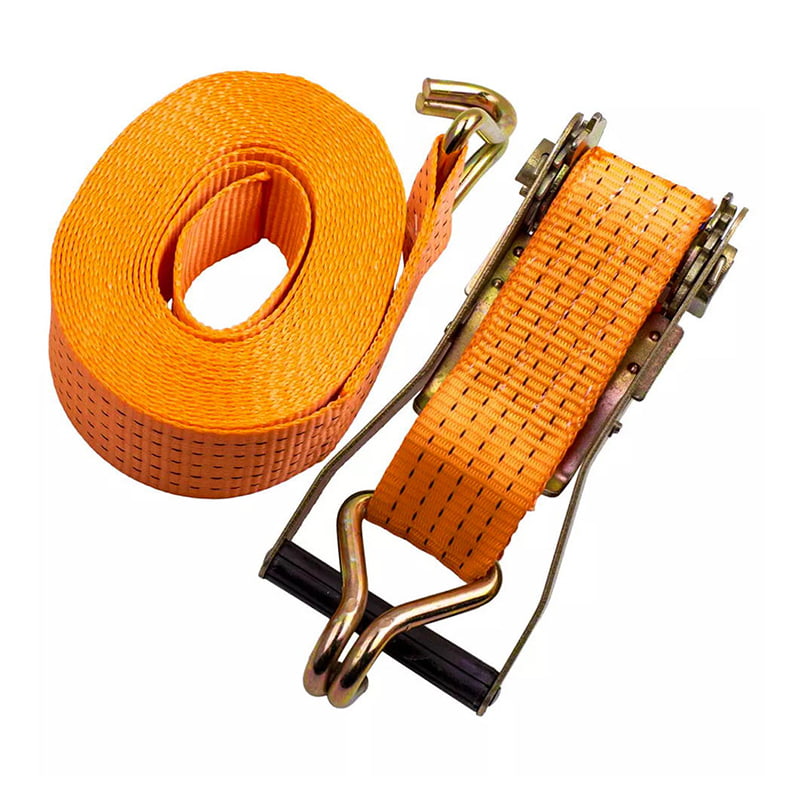
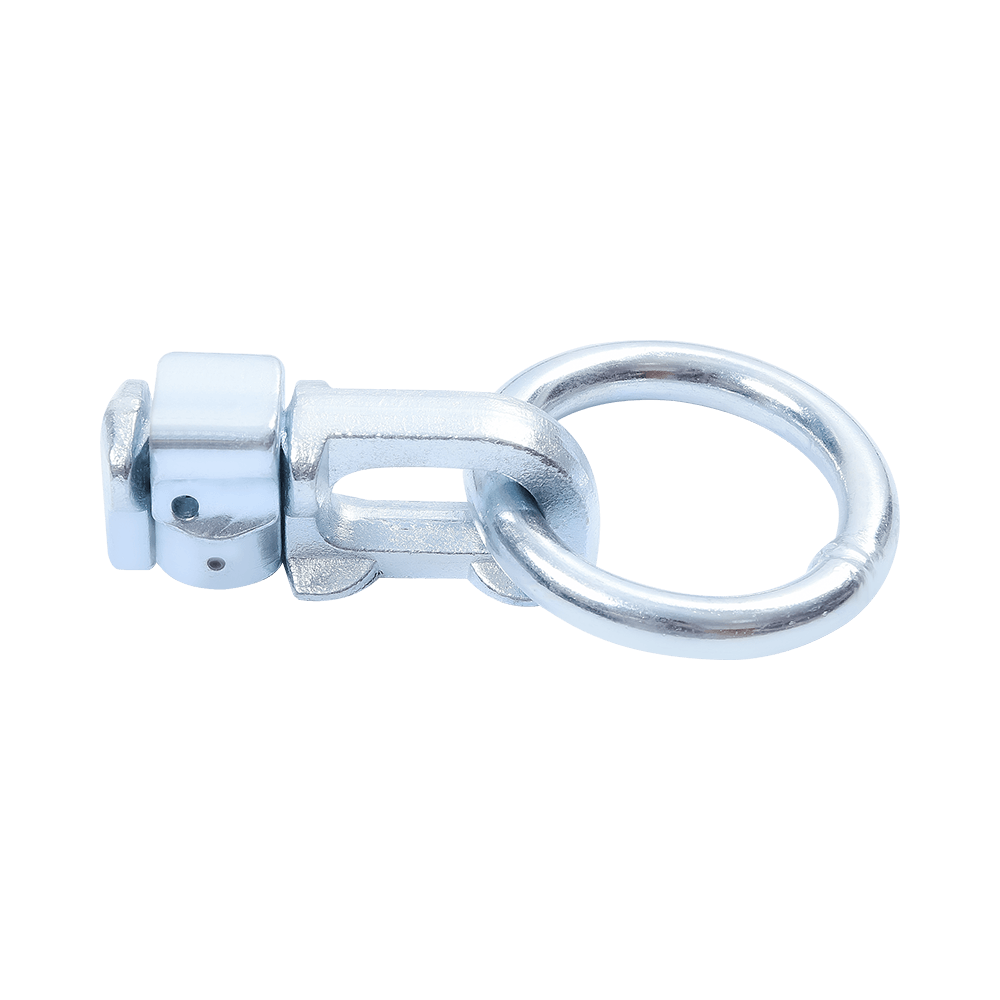
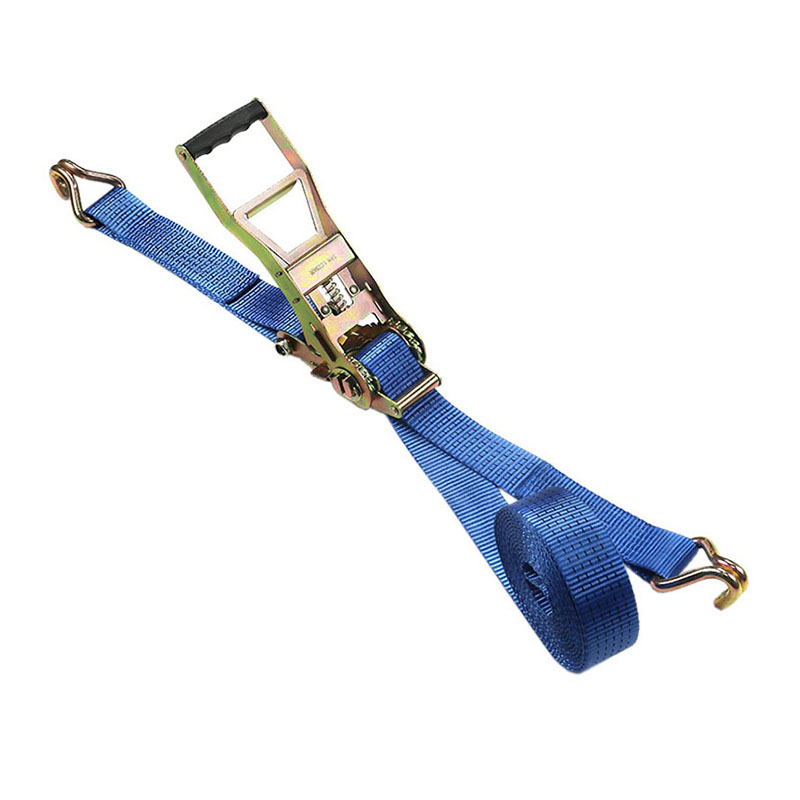

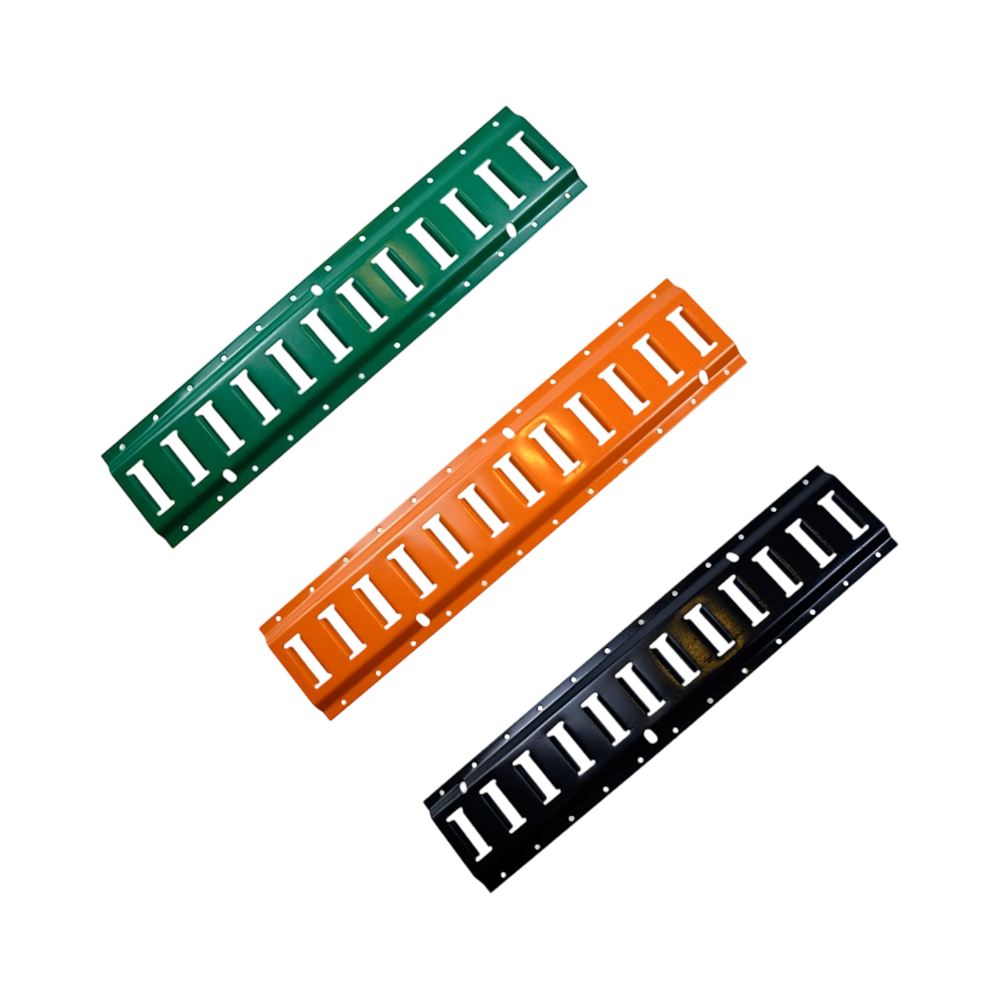

The company specialises in the field of logistics transportation,cargo control,lifting and hoisting products.


joe@forcerigging.com
+86-18650363763
No.469, Liansheng Road, Yinzhou District, Ningbo, Zhejiang Province, China.315111
Copyright © 2025 by Ningbo Force Auto Parts Co., Ltd. All Rights Reserved. China Ratchet Straps Manufacturers OEM/ODM Load Binding and Rigging Company


 English
 Español
 عربى
عربى 中文简体
中文简体