
 English
 Español
 عربى
عربى 中文简体
中文简体








1. What Are Lifting Slings and Why Are They Important?
Lifting slings are essential tools used in the lifting and hoisting of heavy loads in various industries, including construction, manufacturing, and logistics. These slings are typically made from durable materials such as polyester, nylon, or steel, and they are designed to handle large and heavy loads safely.
The importance of lifting slings lies in their ability to distribute the weight of the load evenly, reducing the risk of damage to the goods and ensuring safety during the lifting process. They are commonly used with cranes, hoists, and other lifting equipment.
2. Types of Lifting Slings
(1) Round Slings
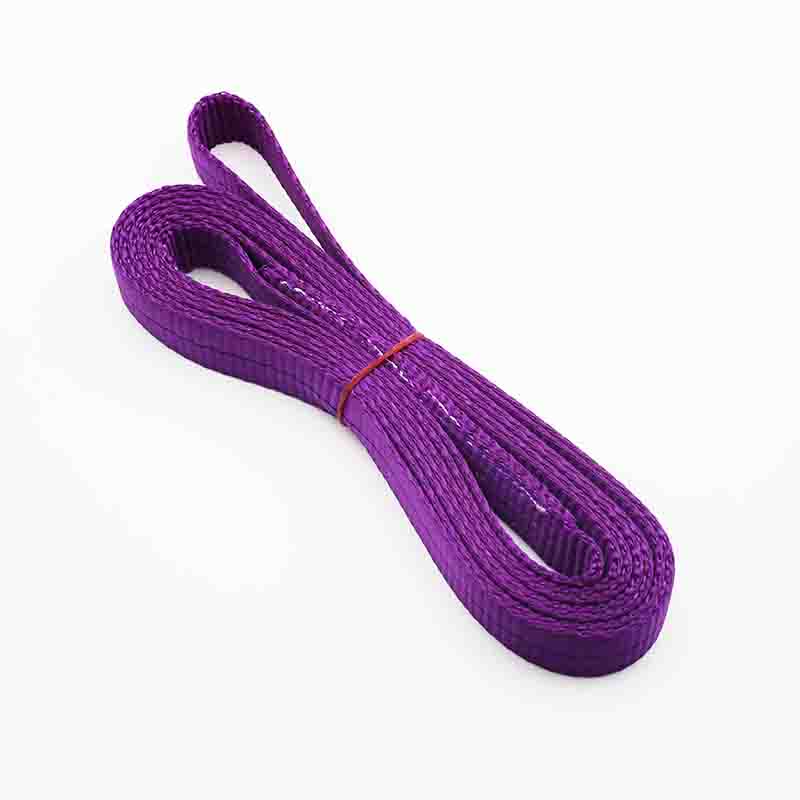
Round slings are made from high-strength synthetic fibers that are encased in a protective cover. These slings are flexible, lightweight, and can conform to the shape of the load, making them ideal for lifting loads of varying shapes and sizes. Round slings are typically used for lighter to medium-duty applications.
(2) Webbing Slings
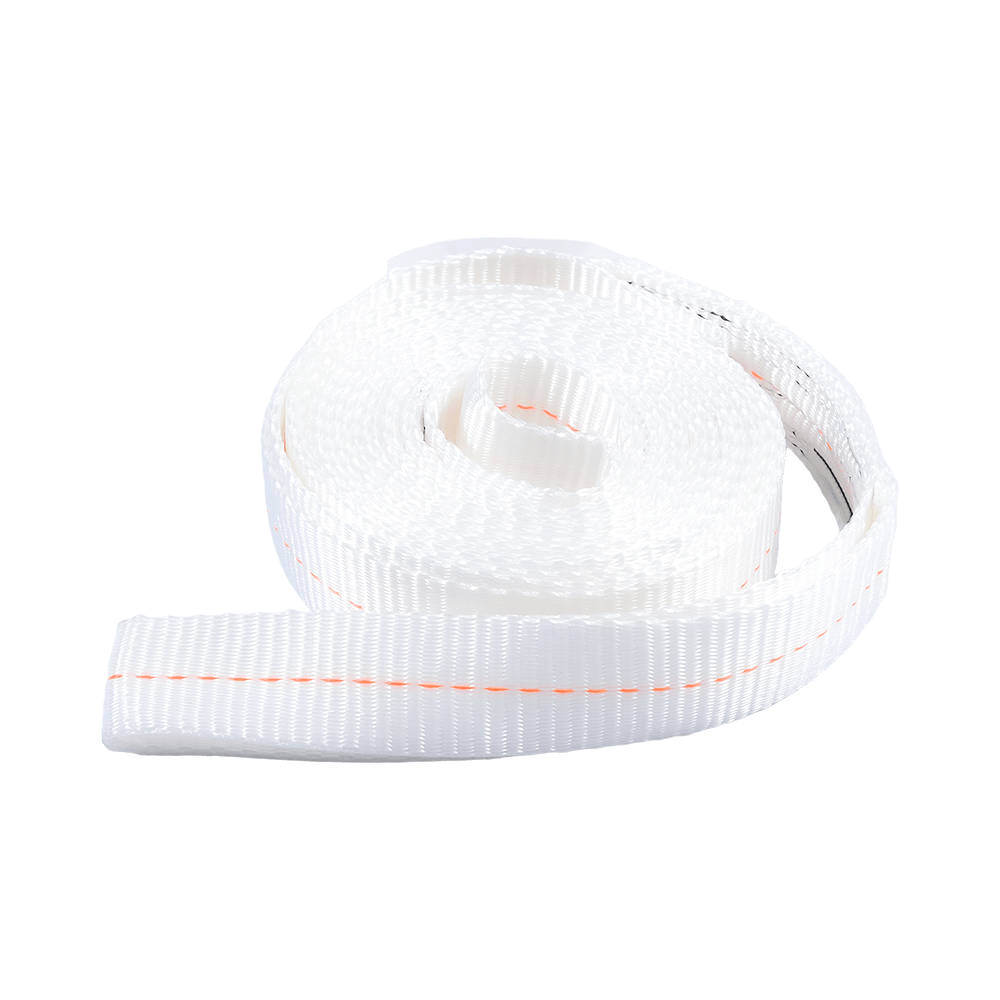
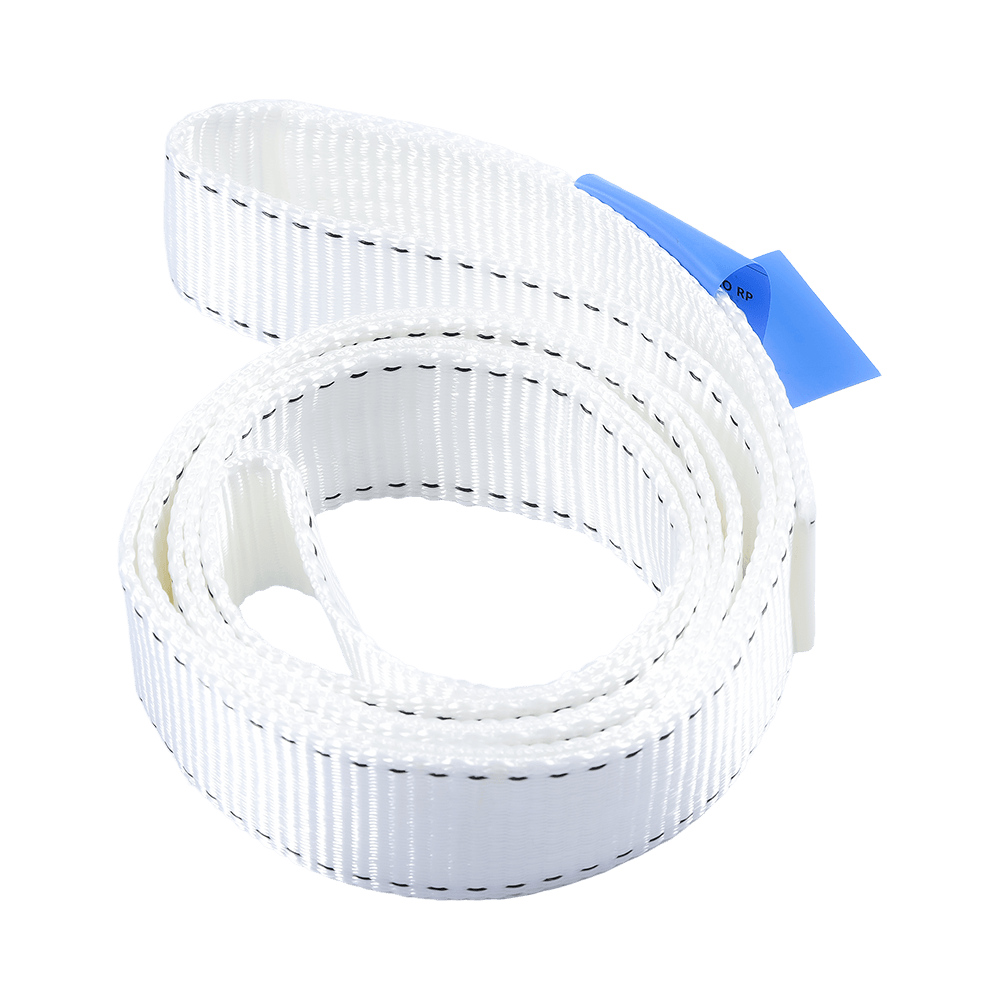
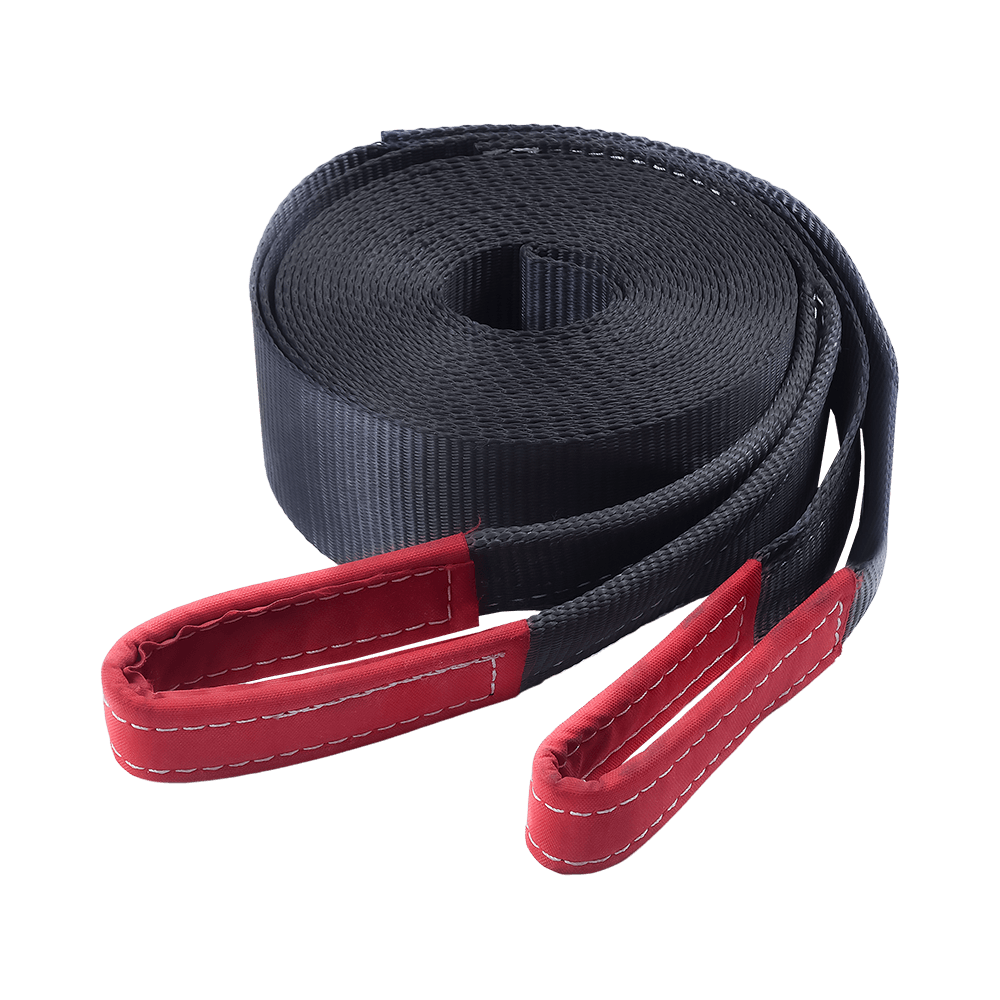
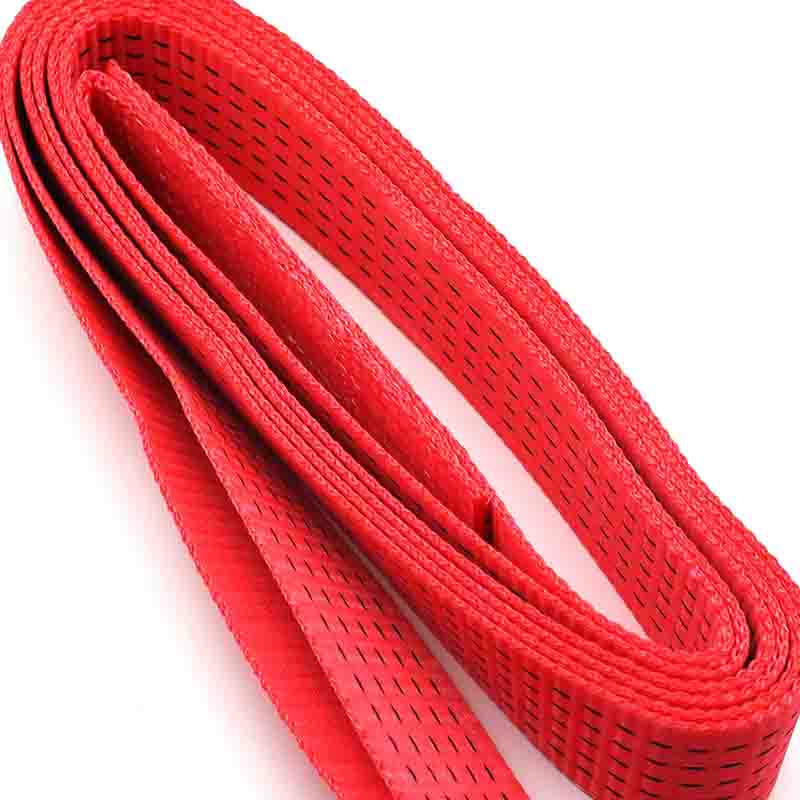
Webbing slings are flat, woven slings made from polyester or nylon. They are commonly used in lifting operations that involve lighter to medium-weight loads. Webbing slings are resistant to abrasion and UV damage, making them suitable for outdoor use. They are available in various lengths and weight capacities.
(3) Chain Slings
Chain slings are made from high-strength steel chains and are used for heavy-duty lifting applications. These slings are highly durable and can withstand harsh environments. Chain slings are typically used in construction, manufacturing, and other industries that require lifting heavy equipment or materials.
(4) Wire Rope Slings
Wire rope slings are composed of steel wires twisted together, offering high strength and flexibility. These slings are designed for heavy lifting operations, especially in industries like mining and oil and gas. Wire rope slings provide durability and excellent lifting performance even in extreme conditions.
3. Benefits of Using Lifting Slings
(1) Enhanced Load Control
Lifting slings help evenly distribute the weight of the load, which reduces the risk of the load becoming unstable or shifting during lifting. This allows for better control of the load, ensuring safety for workers and preventing damage to the materials being lifted.
(2) Flexibility and Versatility
Lifting slings come in various materials, lengths, and weight capacities, making them versatile and adaptable to different lifting requirements. Whether you need to lift fragile materials or heavy machinery, there is a sling that can accommodate the task. Their flexibility makes them ideal for both indoor and outdoor lifting operations.
(3) Durability and Longevity
Many lifting slings are designed to be highly durable, resistant to abrasion, and capable of handling extreme conditions. For example, webbing slings and round slings can last for years when maintained properly, reducing the need for frequent replacements and increasing the cost-effectiveness of lifting operations.
4. How to Choose the Right Lifting Sling for Your Operation?
(1) Determine the Weight and Type of the Load
Before choosing a lifting sling, it's essential to know the weight and dimensions of the load you're lifting. This will help you determine the type of sling (round, webbing, chain, or wire rope) and the appropriate weight capacity. Always choose a sling with a higher weight capacity than needed to ensure safety.
(2) Assess the Environment
Consider the environmental conditions in which the sling will be used. If the lifting operation occurs in harsh environments, such as high temperatures or exposure to chemicals, you'll need a sling made from materials that can withstand those conditions.
(3) Check for Compliance with Safety Standards
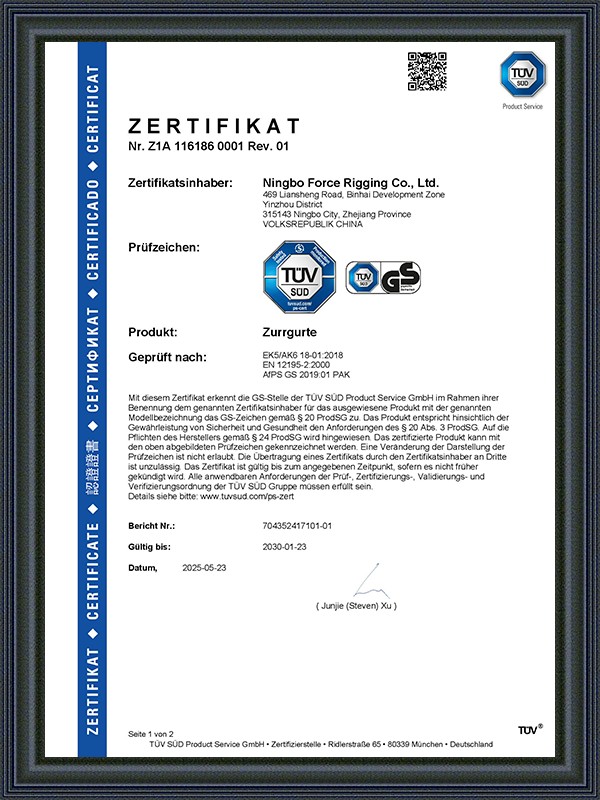
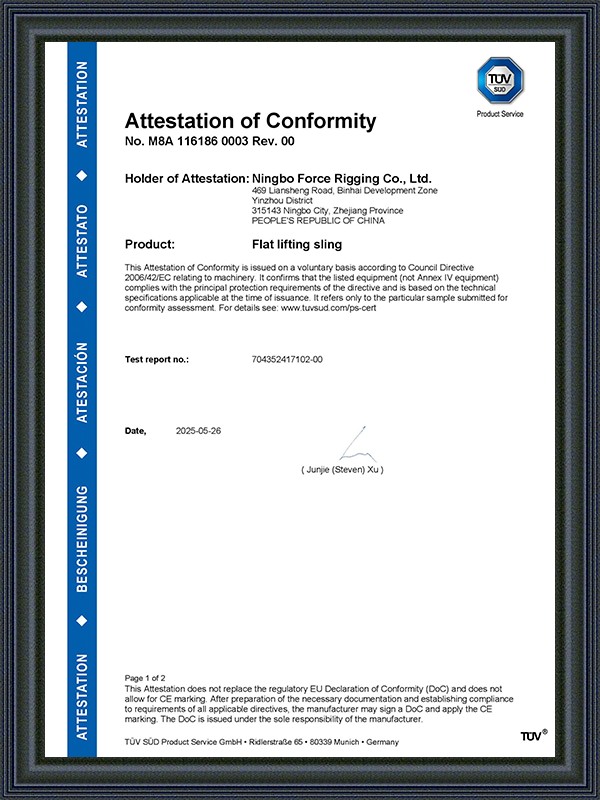
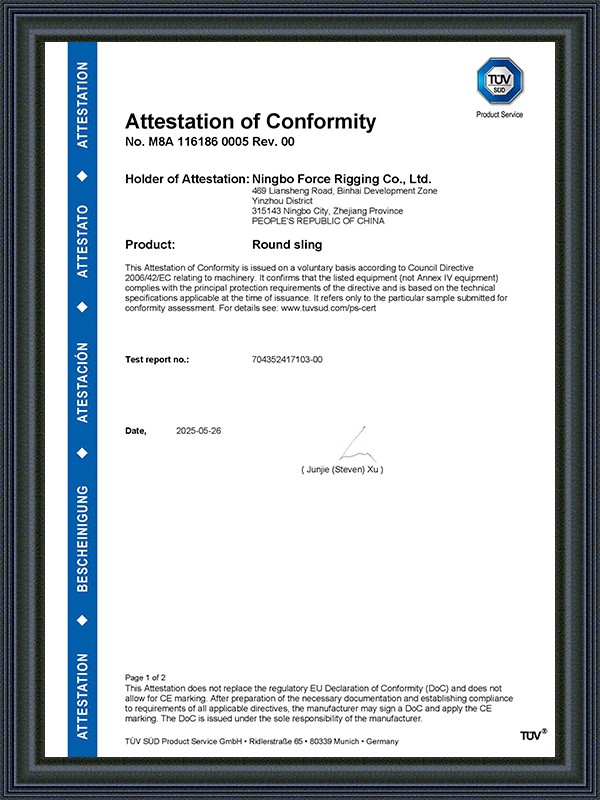
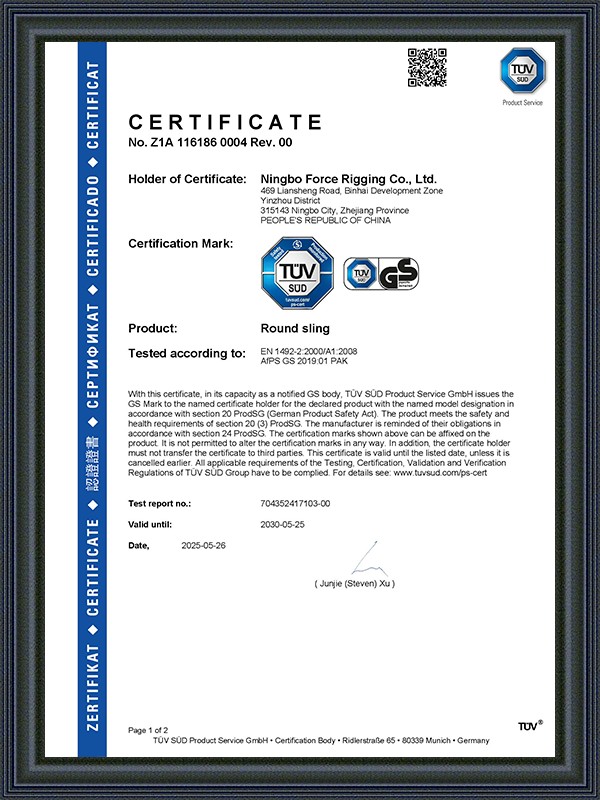
Always ensure that the lifting sling complies with relevant safety standards, such as those set by OSHA or other regulatory bodies. Certified slings ensure that you are using equipment that meets safety requirements, minimizing the risk of accidents during lifting operations.
5. FAQ: Frequently Asked Questions About Lifting Slings
(1) How often should lifting slings be inspected?
Lifting slings should be inspected regularly before each use. Check for any signs of damage such as fraying, cuts, or abrasions. If the sling is damaged, it should be taken out of service and replaced immediately to ensure safe operation.
(2) Can lifting slings be used for outdoor operations?
Yes, many lifting slings, particularly webbing and round slings, are designed for outdoor use. However, it's essential to choose a sling that is resistant to UV degradation and other environmental factors such as rain, snow, or high temperatures.
(3) Are lifting slings reusable?
Yes, lifting slings can be reused as long as they remain in good condition. Regular maintenance and proper storage will ensure their longevity. However, if a sling shows signs of wear, it should be replaced to prevent potential failure during lifting operations.