Ningbo Force Auto Parts Co., Ltd.
- joe@forcerigging.com
- +86-18650363763
Ningbo Force Auto Parts Co., Ltd.
Heavy Duty Cargo Straps are high-tensile securing devices used to immobilize, restrain, or bundle freight during transportation, storage, and outdoor operations. They are the frontline safety tool in logistics, trucking, marine, construction, and recreational vehicle transport — any scenario where unsecured loads present a risk of shifting, sliding, or falling. A properly rated cargo strap works by applying controlled tension across a load, distributing force through the webbing and buckle mechanism to hold the cargo against the deck or anchor points regardless of road vibration, cornering forces, or vessel movement.
From flatbed trucking and container loading to securing motorcycles on trailers and boats on watercraft carriers, Tie Down Straps in their various configurations — ratchet, cam buckle, winch, and automatic retractable — address a wide spectrum of load weights, cargo shapes, and user preferences. This article covers everything a buyer, fleet manager, or operator needs to know: strap types, application specifics, load rating standards, and selection criteria — backed by data and practical examples.
Primary Industry Applications of Heavy Duty Cargo Straps (% of Total Usage)
Trucking and flatbed operations account for the highest proportion of cargo strap usage at 87%, driven by DOT regulations requiring positive load securement on all commercial vehicles. Construction and heavy-lift operations follow at 68%, where equipment and material restraint is a daily safety requirement. Marine, motorcycle, and agricultural applications together represent a substantial share of the remaining market, confirming that cargo strap demand is broadly distributed across sectors rather than concentrated in a single industry.
Content
The term "tie down strap" encompasses several mechanically distinct product families. Each variant is engineered for a specific tension requirement, user workflow, and cargo type. Understanding the differences prevents under-securing — a direct cause of transport accidents — and helps buyers match product to application precisely.
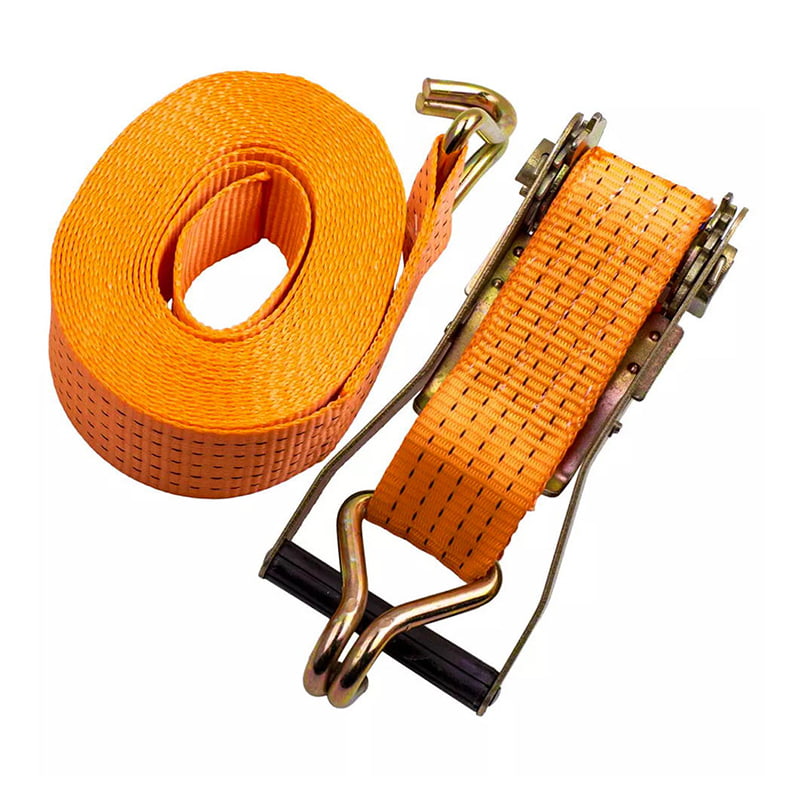
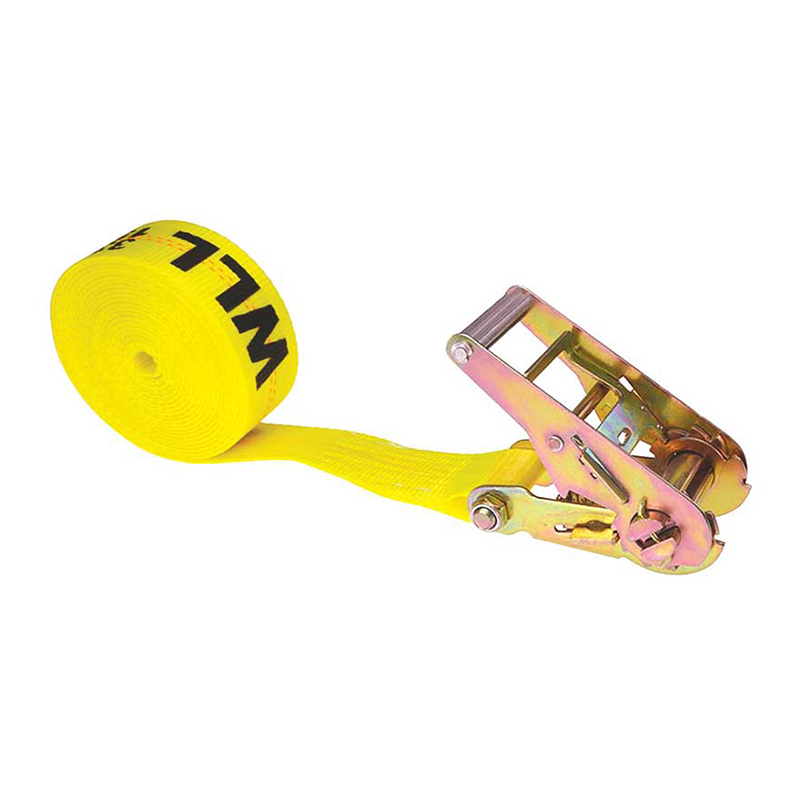
Ratchet straps use a mechanical gear-and-pawl system to progressively tighten the webbing until the desired tension is achieved. The ratchet mechanism locks in place, preventing any backslipping during transit. They are the most widely used type for commercial trucking and heavy freight because they can achieve consistent, measurable tension — critical for compliance with load securement regulations such as FMCSA 49 CFR Part 393 in the United States. A standard 2-inch ratchet strap typically delivers a Working Load Limit (WLL) of 1,000–1,500 kg, while heavy-duty 4-inch versions can reach 5,000 kg or beyond.
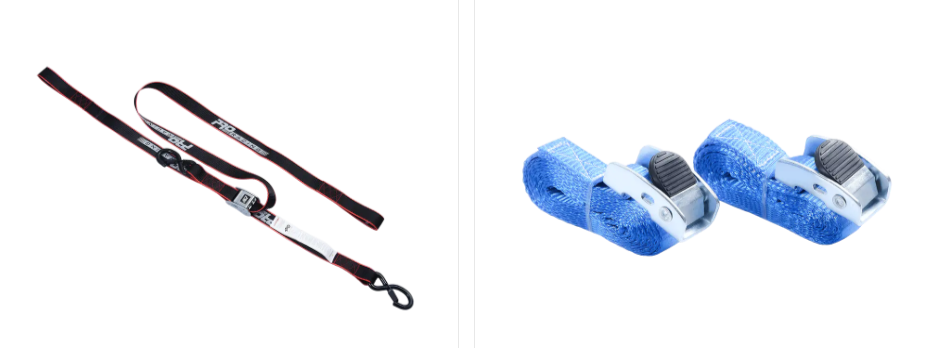
Cam buckle straps use a spring-loaded cam inside the buckle to grip the webbing at whatever tension the user applies manually. They are faster to use than ratchet straps — no handle pumping required — making them the preferred choice for lighter, more frequently loaded cargo. Motorcycle Tie Down Straps are one of the most common cam buckle applications: the soft, even tension they apply avoids over-compressing suspension components, which can occur when ratchet straps are overtightened on two-wheeled vehicles. Cam buckle straps are typically rated for loads up to 500–800 kg WLL.
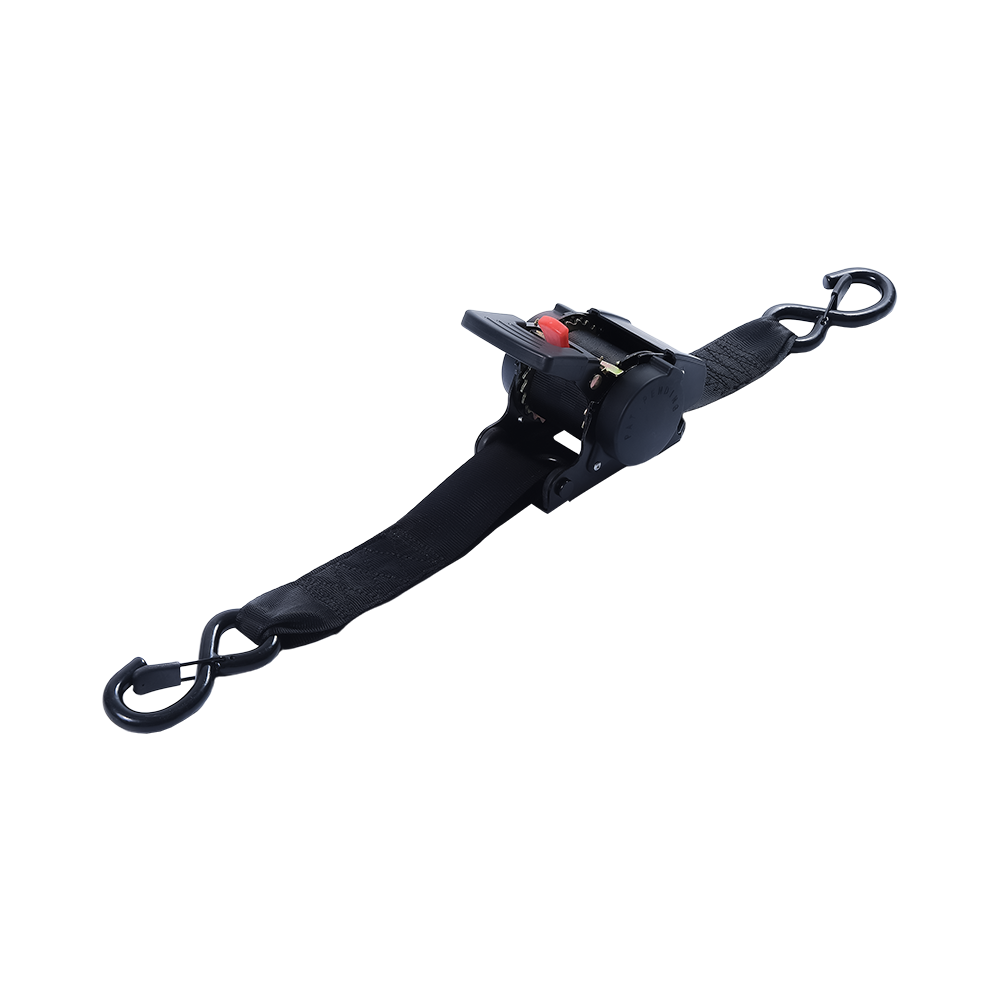
Automatic retractable straps incorporate an internal spring-loaded spool that automatically retracts excess webbing, eliminating loose strap ends that can snag, flap, or become a trip hazard. They are widely used in automotive transport, vehicle loading ramps, and assembly-line environments where speed and repeated use are priorities. The self-retracting mechanism also reduces wear by protecting webbing from road debris when not under load, extending the service life of the strap.
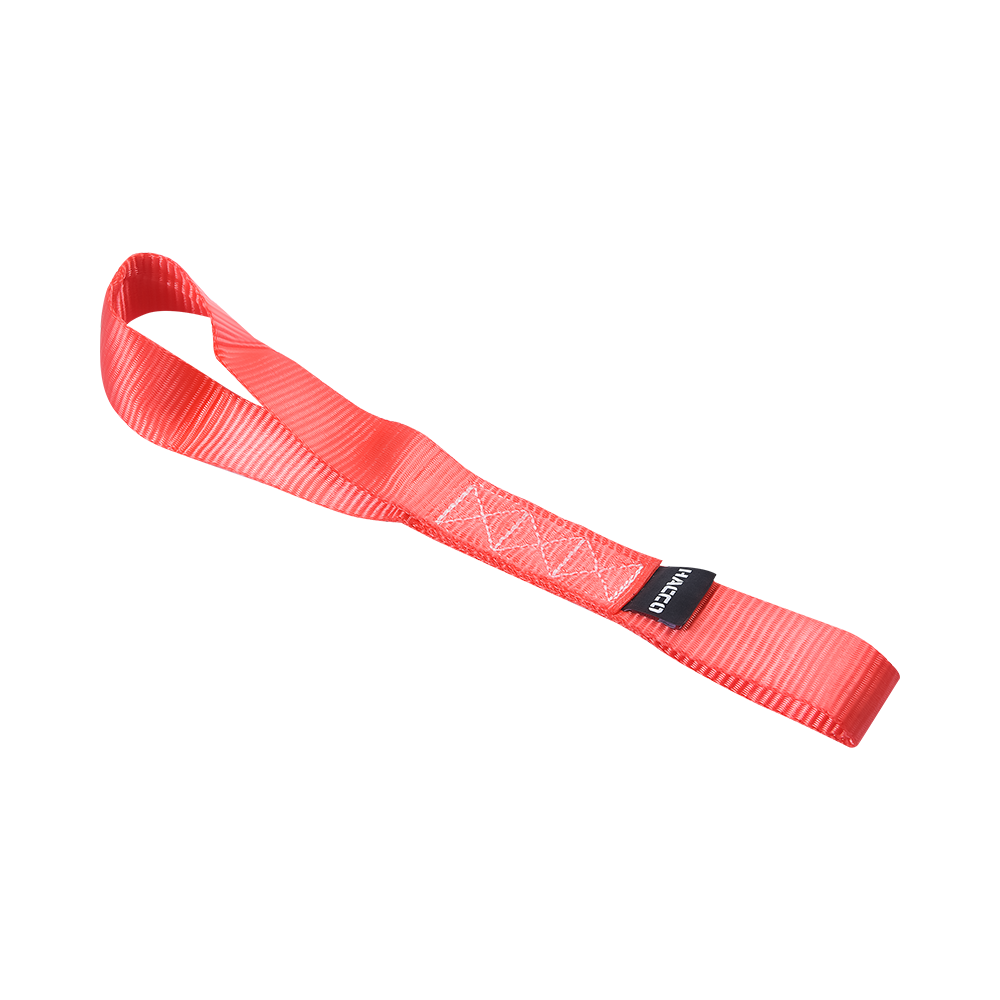
Winch straps are flat polyester webbings designed to wrap around a flatbed trailer's E-track or strap winch bar. They provide high clamping force suitable for securing machinery, vehicles, and bulk materials on flatbeds. Unlike ratchet straps, winch straps have no built-in tensioning mechanism — they rely on a separate winch bar tool. This simplicity makes them extremely durable and easy to replace in field conditions.
| Strap Type | Tensioning Method | Typical WLL | Best Application |
|---|---|---|---|
| Ratchet | Mechanical gear & pawl | 500 kg – 5,000 kg | Heavy freight, flatbed trucking |
| Cam Buckle | Spring-loaded cam grip | 250 kg – 800 kg | Motorcycles, light cargo |
| Auto Retractable | Spring spool + ratchet | 350 kg – 700 kg | Automotive transport, frequent use |
| Winch Strap | External winch bar | 2,000 kg – 10,000 kg | Flatbed machinery, bulk loads |
Transporting boats on trailers subjects both the vessel and the securing system to a unique combination of stresses: road vibration, lateral acceleration during cornering, and the significant weight of fiberglass, aluminum, or wooden hull structures that can exceed several tons. Boat Tie Down Straps are specifically designed to address these challenges. Unlike general cargo straps, marine-rated straps often feature UV-stabilized polyester webbing that resists degradation from prolonged sun and saltwater exposure — a critical property for boating equipment stored and used near coastlines or open water.
A correctly installed set of boat tie downs uses a minimum of two bow straps and two stern straps, anchored to the trailer's designated tie-down points at the hull chine or gunwale — never across the deck hardware or windshield. For boats above 20 feet, additional midship straps are recommended. Hook choices matter too: safety J-hooks or flat hooks with rubber coatings minimize paint and gel coat damage at contact points, which is a common concern among recreational boat owners.
Recommended Boat Tie Down Strap Placement (Side View)
The diagram illustrates the recommended strap placement for securing a boat on a trailer, using two bow straps, two stern straps, and optional midship straps for larger vessels. Straps should anchor at structural points along the hull chine or gunwale, with angles directed downward toward the trailer frame to maximize downward force and minimize lateral movement. Correct strap geometry distributes the restraining load evenly, preventing concentrated stress on any single point of the hull that could cause deformation during transport.
Motorcycles present a distinct load securement challenge: they are tall, narrow, and top-heavy relative to their footprint, making them prone to tipping when cornering forces exceed the static friction of the tire-to-deck interface. Motorcycle Tie Down Straps are engineered to address this by applying balanced downward compression through the handlebars, fork, or frame loops — compressing the suspension slightly to create a stable, planted stance that resists tipping in any direction.
The standard approach uses four straps in a cross-pattern: two from the front handlebar ends to the forward tie-down anchors, and two from the rear frame or subframe to the rear anchors. This X-configuration prevents both forward/rearward sliding and lateral rocking. Experienced haulers recommend compressing the front fork suspension by approximately 1–2 inches through the strap tension — enough to stabilize the bike without bottoming out the suspension, which could cause damage over long-haul vibrations.
Cam buckle straps are preferred over ratchet straps for motorcycle use in many cases because they limit maximum achievable tension — reducing the risk of overtightening by less experienced users. However, for heavier touring motorcycles or trikes (above 400 kg), ratchet-type motorcycle straps with a limited maximum break strength are recommended to ensure regulatory compliance with transport load securement rules.
Performance Radar: Ratchet vs. Cam Buckle vs. Auto Retractable Straps
The radar chart evaluates three strap types across six performance dimensions. Ratchet straps lead decisively in Load Capacity and Durability, making them the preferred choice for heavy commercial applications where maximum WLL is the priority. Cam buckle and auto retractable straps score higher on Ease of Use and Speed, attributes that matter in high-frequency loading environments like motorcycle dealerships or vehicle transport yards. Cost Efficiency is notably higher for cam buckle straps, which also makes them attractive for buyers seeking a high-volume, lighter-duty solution without the added mechanical complexity of a ratchet mechanism.
One of the most misunderstood aspects of cargo strap selection is the relationship between Working Load Limit (WLL), Break Strength, and the safety factor that bridges them. Regulatory bodies in major markets mandate specific labeling standards precisely because misapplication of straps — particularly using consumer-grade products for commercial loads — is a leading contributor to cargo-related road incidents.
Typical Working Load Limit (WLL) by Strap Width — Polyester Ratchet Straps
The line chart illustrates the non-linear increase in Working Load Limit as ratchet strap width increases, with the steepest gain occurring between the 3-inch and 4-inch sizes where WLL jumps from approximately 3,000 kg to 5,000 kg. This relationship exists because wider webbing distributes tension forces across a larger cross-sectional area of polyester fiber, reducing per-fiber stress at any given load. For heavy-duty industrial applications requiring WLL values above 3,000 kg, a 4-inch wide ratchet or winch strap is the standard specification — narrower straps are physically incapable of achieving these ratings regardless of buckle quality.
Not all webbing is created equal. The performance of a Heavy Duty Cargo Strap under sustained tension, cyclic loading, and environmental exposure depends heavily on the fiber type, weave construction, and finishing treatments applied during manufacturing. Here is a breakdown of the key material factors that distinguish a professional-grade strap from a commodity product.
High-tenacity polyester is the industry-standard fiber for cargo straps because it combines high tensile strength (typically 800–1,100 MPa depending on yarn grade) with very low elongation at working loads — usually less than 3% elongation at WLL. Low elongation is critical: a strap that stretches significantly under load allows the cargo to shift before the tension redistributes, defeating the purpose of securement. Polyester also exhibits excellent resistance to UV radiation, moisture absorption (less than 0.4% by weight), and most common industrial chemicals — all properties that contribute to reliable long-term performance in field conditions.
The ratchet mechanism, cam buckle housing, and end hooks are the highest-stress components in any strap assembly. Professional-grade hardware uses stamped or forged steel with surface treatments — galvanizing, zinc plating, or powder coating — to resist corrosion. Safety S-hooks with spring-loaded safety latches prevent accidental disengagement from anchor points when the strap experiences momentary slack during load shifting. For marine applications, stainless steel hardware is preferable in saltwater environments where standard zinc-plated steel corrodes rapidly.
| Property | Polyester (HT) | Nylon | Polypropylene |
|---|---|---|---|
| Tensile Strength | Very High | High | Moderate |
| Elongation at WLL | <3% | 6–8% | 4–6% |
| UV Resistance | Excellent | Good | Fair |
| Moisture Absorption | Very Low (<0.4%) | High (8–9%) | Very Low |
| Best For | Cargo securement | Energy absorption | Light-duty, low cost |
The global tie down strap and cargo securement market has experienced sustained growth, driven by expanding e-commerce logistics networks, increasing recreational vehicle ownership, tighter transportation safety regulations, and the growth of construction activity in emerging economies. Market research estimates the cargo control product segment at approximately USD 2.8 billion in 2023, with projections indicating growth to around USD 4.1 billion by 2030 — a compound annual growth rate of roughly 5.6%.
Tie Down Strap Demand by End-Use Segment (% of Global Market, 2024)
Freight and logistics operations command the largest share of tie down strap demand at 32%, driven by the sheer volume of daily truck and rail cargo movements that legally require certified load securement. Construction comes second at 24%, reflecting the industry's intensive use of straps for securing equipment, pipes, lumber, and prefabricated components on flatbeds. Recreational vehicles — including motorcycles, ATVs, boats, and campers — collectively represent 33% when marine (16%) and recreational vehicle (17%) segments are combined, confirming that consumer-facing tie down strap demand is a substantial and growing portion of the total market.
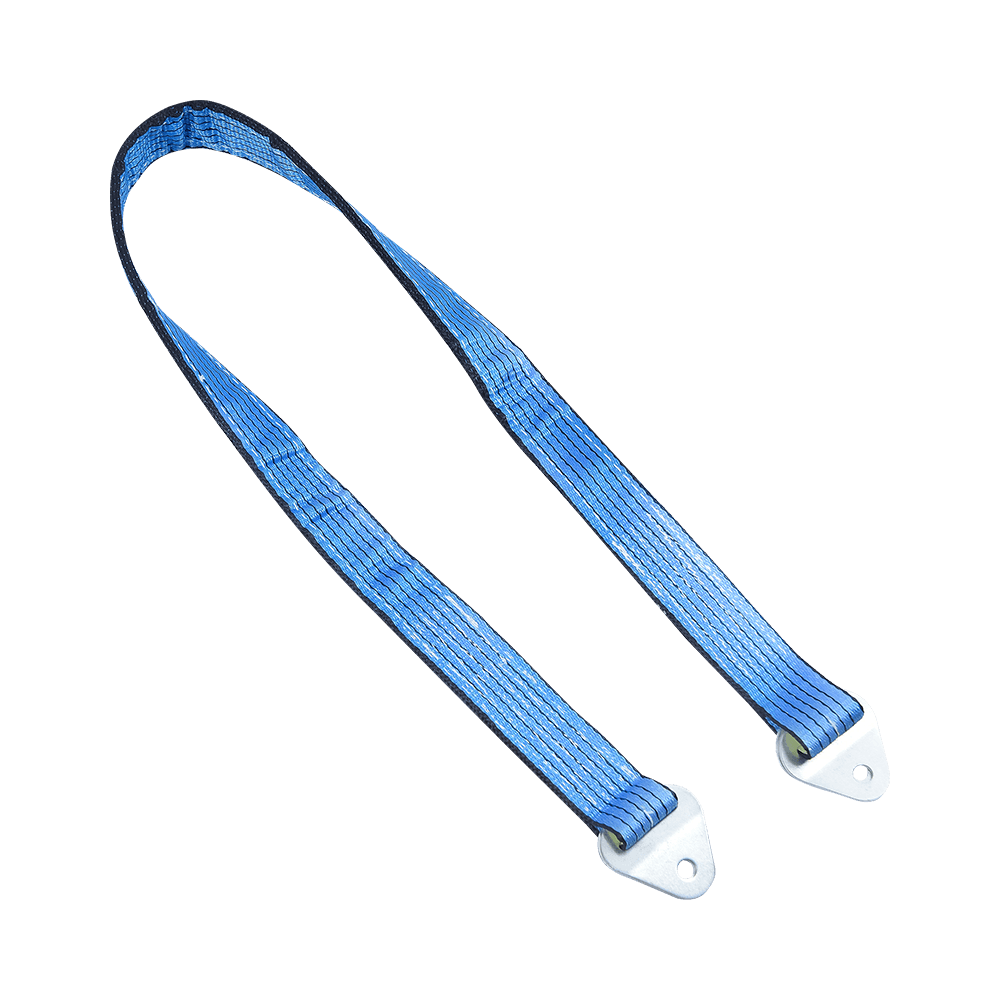
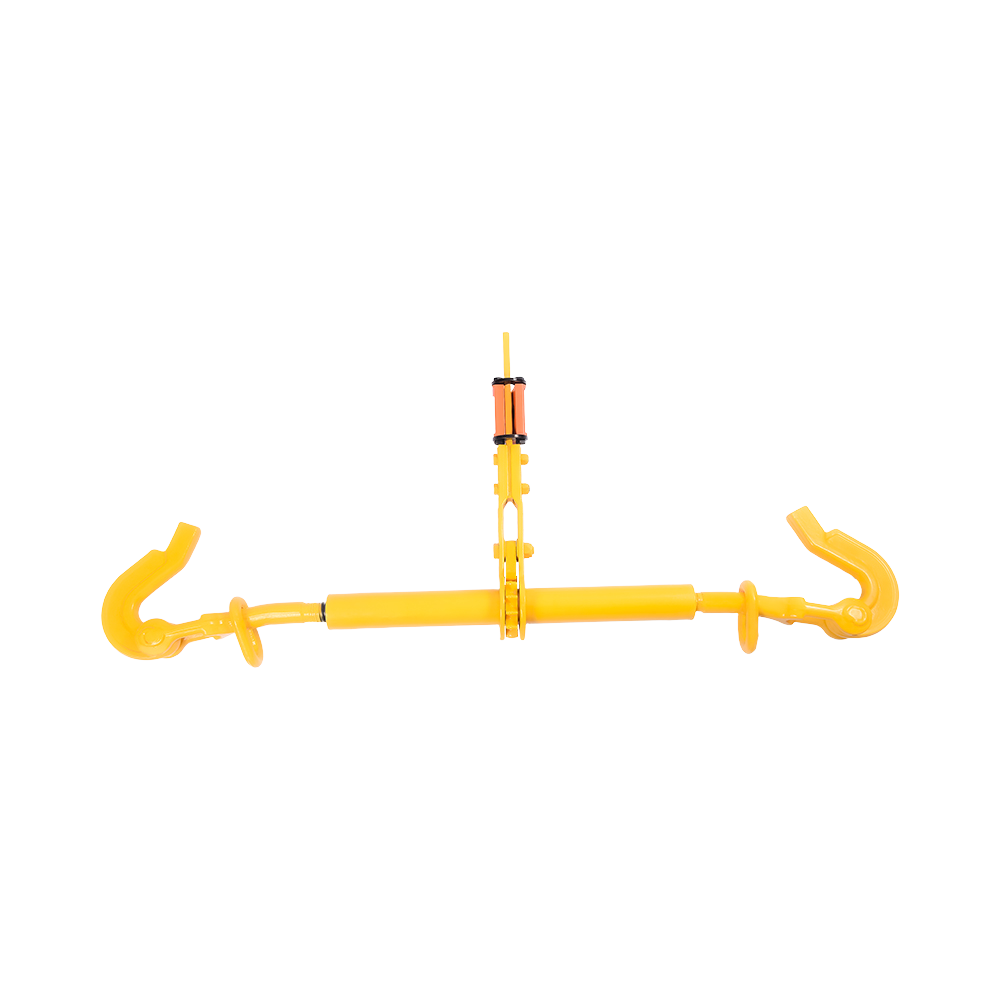
Ningbo Force Auto Parts Co., Ltd. offers a versatile range of tie-down straps, including cam buckle, ratchet buckle, winch, automatic, and tow straps, among others. Constructed from high-strength polyester webbing with durable buckles and hooks, these straps comply with American, European, and Australian standards. Available in 1–4 inch widths with tensile strengths up to 5,000 kg or even 10 tons, they are suitable for logistics, transportation, construction, and outdoor applications.
Our ratchet straps are rigorously tested for safety, labeled with Working Load Limit (WLL), and meet WSTDA-T-1, EN-12195, and AS/NZ 4380 standards, providing a reliable framework for secure cargo transport across diverse markets. We provide tailored solutions to meet unique customer needs, backed by our WSTDA membership and a commitment to manufacturing quality. Our product line includes the 2-inch Adjustable Auto Retractable Cargo Lashing Straps with Safety S Hook, 700 kg Automatic Self Retractable Ratchet Tie Down Straps, Customizable Durable Motorcycle Cam Buckle Tie Down Strap with Safety S Hook, and Mini 1-Inch Polyester Cam Buckle Tie Down Straps — covering the full range from light recreational use to demanding commercial transport requirements.
Q1: How do I calculate how many tie down straps I need for a given load?
The general rule under FMCSA regulations and EN 12195 is that the combined WLL of all straps used must equal at least 50% of the total cargo weight for loads secured by direct attachment, or a calculated minimum based on lashing angles for indirect (over-the-top) securement. As a practical baseline, always use a minimum of two straps for any load, and add additional straps for every additional 3 meters (10 feet) of cargo length. When in doubt, consult the specific regulation for your region and transport mode.
Q2: What is the difference between WLL and break strength on a cargo strap label?
Working Load Limit (WLL) is the maximum load the strap is designed to restrain safely under normal working conditions. Break strength (or Minimum Break Strength, MBS) is the load at which the strap fails under laboratory testing. A standard 3:1 safety factor means WLL is one-third of MBS — for example, a strap with a 4,500 kg break strength carries a 1,500 kg WLL. Always plan your load securement based on WLL, never on break strength.
Q3: Are cam buckle straps suitable for securing motorcycles, or should I use ratchet straps?
Cam buckle straps are generally preferred for motorcycles because they limit maximum achievable tension, reducing the risk of over-compressing the front fork suspension — a common issue with ratchet straps operated by inexperienced users. For standard motorcycles under 400 kg, a set of four 1-inch or 1.5-inch cam buckle straps applied in an X-pattern provides adequate and safe securement. For heavier touring bikes or trikes, ratchet-type motorcycle straps with known WLL ratings offer more controlled tensioning.
Q4: How should I inspect a tie down strap before use?
Before each use, inspect the webbing along its full length for cuts, abrasions, UV bleaching, chemical staining, or any area where the weave is disrupted. Check the buckle mechanism for smooth operation, and verify that the safety latch on S-hooks and J-hooks engages and releases correctly. Inspect all stitching on end loops or sewn connections for fraying or pulled threads. Any strap showing signs of damage should be removed from service immediately — a damaged strap may retain its appearance but lose a significant proportion of its rated WLL.
Q5: Can heavy duty cargo straps be used outdoors in wet or saltwater conditions?
High-tenacity polyester webbing absorbs very little moisture (less than 0.4% by weight) and retains nearly all of its tensile strength when wet, making it well-suited for outdoor and marine applications. However, metal hardware — buckles, hooks, and ratchet mechanisms — is more susceptible to corrosion in saltwater environments. For regular marine or coastal use, specify straps with stainless steel or hot-dip galvanized hardware, and rinse all metal components with fresh water after each salt exposure to extend service life.
Q6: What certifications should cargo straps have for international shipping or export compliance?
For the US market, straps should comply with WSTDA-T-1 and be labeled accordingly with WLL, manufacturer details, and webbing material. For European export, EN 12195-2 compliance is standard. For Australia and New Zealand, AS/NZS 4380 applies. Straps intended for intermodal container shipments may also need to meet IMO cargo securement guidelines. Always request the relevant test certificates and third-party verification from your supplier before using straps in regulated transport contexts.

The company specialises in the field of logistics transportation,cargo control,lifting and hoisting products.


joe@forcerigging.com
+86-18650363763
No.469, Liansheng Road, Yinzhou District, Ningbo, Zhejiang Province, China.315111
Copyright © 2025 by Ningbo Force Auto Parts Co., Ltd. All Rights Reserved. China Ratchet Straps Manufacturers OEM/ODM Load Binding and Rigging Company


 English
 Español
 عربى
عربى 中文简体
中文简体