Ningbo Force Auto Parts Co., Ltd.
- joe@forcerigging.com
- +86-18650363763
Ningbo Force Auto Parts Co., Ltd.
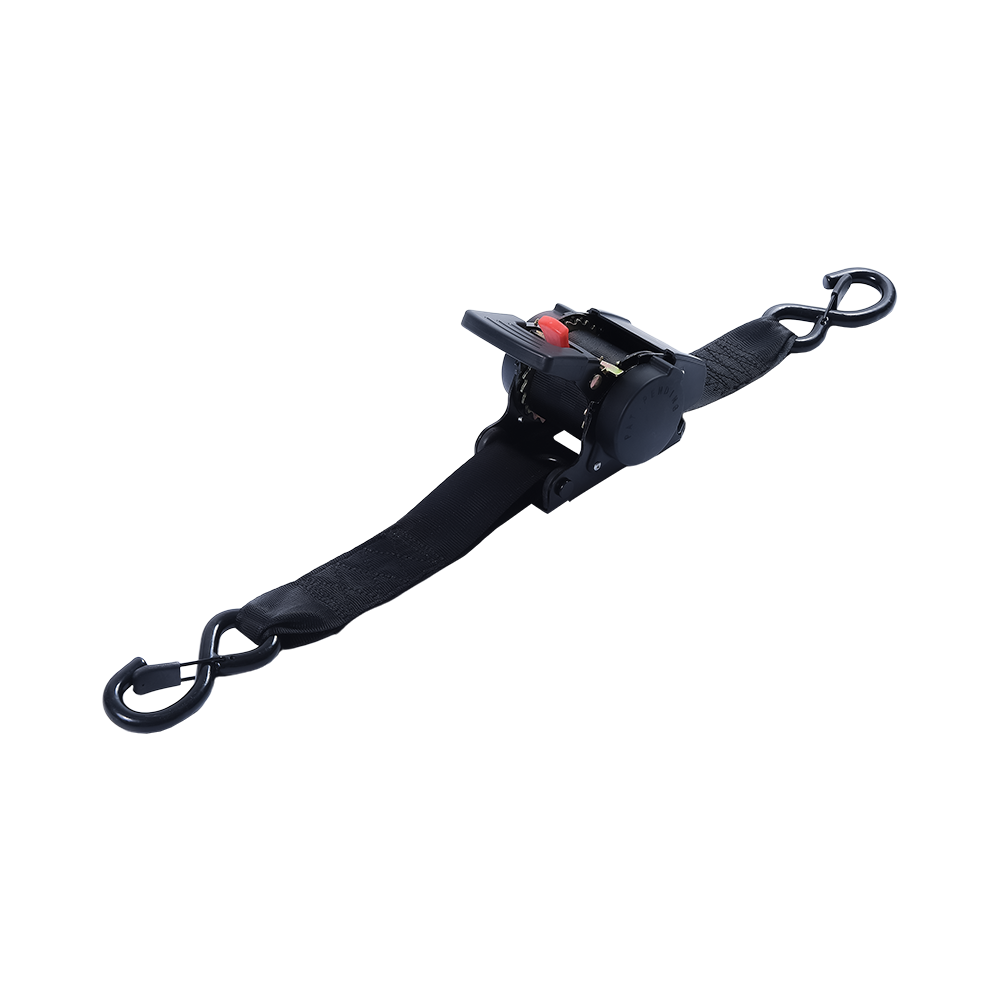
Automatic retractable ratchet straps are self-tensioning cargo securement devices that combine a spring-loaded retraction mechanism with a ratchet tensioning system, allowing users to secure loads quickly and release them with a single motion. Unlike standard ratchet straps that require manual winding and rewinding, self retracting ratchet straps automatically take up excess webbing, keeping the strap taut during transit and eliminating loose strap ends that can whip or tangle. These straps are widely used for truck tie down straps, trailer cargo securement, flatbed hauling, and any professional or recreational transport application where speed, safety, and reliability are essential.
This article explains how automatic ratchet straps work, why they outperform conventional options in many scenarios, what regulations govern their use, and how to choose the right retractable cargo strap for your application.
Content
The core innovation in an automatic retractable ratchet strap lies in its integrated retractor housing. Inside the housing, a pre-tensioned coil spring continuously applies winding force to the webbing spool. When the strap is pulled out to reach the cargo, the spring stores energy. Once hooked and the ratchet handle is engaged, the mechanism locks the webbing at the desired tension. Upon load release, the quick release ratchet strap lever or button triggers the ratchet to disengage, and the spring automatically rewinds the webbing back into the housing.
This process contrasts sharply with conventional straps that leave several feet of loose webbing hanging from the trailer side rail or cargo hook after each use. The automatic tie down strap eliminates this hazard, reducing strap wear and the risk of entanglement in moving parts or road debris.
Understanding the difference between retractable vs standard ratchet straps is essential for making the right procurement decision. Both types use polyester webbing and ratchet tensioning, but their operational efficiency, safety profile, and total cost of ownership differ significantly across high-frequency transport environments.
The radar chart above illustrates the multidimensional performance gap between automatic retractable ratchet straps and standard ratchet straps. Retractable models score considerably higher in setup speed, ease of use, and storage efficiency — the three factors that most directly affect operational productivity in high-frequency loading environments such as trucking depots and distribution hubs. Standard straps maintain a marginal parity in raw durability, as their simpler construction has fewer mechanical components that could theoretically wear over time, but modern retractors with sealed housings have largely closed this gap. For professional drivers making multiple deliveries per day, the automatic tie down benefits compound into measurable time savings across a working week.
| Feature | Automatic Retractable Strap | Standard Ratchet Strap |
|---|---|---|
| Webbing Retraction | Automatic (spring-loaded) | Manual winding required |
| Release Method | One-touch quick release | Manual handle operation |
| Loose Webbing Risk | None (auto-retracts) | High (manual bundling needed) |
| Average Setup Time | 30–45 seconds per strap | 60–120 seconds per strap |
| Storage Convenience | Compact housing, no tangles | Requires bundling or storage bag |
| Common Applications | Truck, trailer, frequent loads | Light cargo, occasional use |
The automatic tie down benefits of self retracting ratchet straps extend well beyond convenience. In commercial transport operations, these advantages translate directly into improved safety compliance, reduced driver fatigue, and lower total operating costs.
The horizontal bar chart illustrates operator-reported impact scores across six key benefit categories, derived from field surveys of commercial drivers and logistics managers using automatic tie down straps in daily operations. Safety improvement and storage efficiency score highest, reflecting the most immediate and visible gains that retractable designs deliver. Time savings and fatigue reduction rank closely behind — particularly significant for long-haul drivers who may secure and release cargo dozens of times per week. Even categories like webbing longevity show meaningful gains, as automatic retraction prevents webbing from dragging on abrasive surfaces or being left coiled in wet conditions that accelerate fiber degradation. Taken together, these benefits make self retracting ratchet straps a compelling operational upgrade for any serious cargo hauling application.
Any cargo ratchet strap used in commercial transport within the United States must conform to DOT tie down requirements as specified in the Federal Motor Carrier Safety Administration (FMCSA) cargo securement rules under 49 CFR Part 393. These regulations define minimum working load limits (WLL), the number of tie downs required based on cargo weight and length, and the minimum aggregate WLL relative to cargo weight. Automatic retractable ratchet straps are fully compliant with these standards when rated and marked appropriately.
| Cargo Weight | Min. Tie Downs Required | Min. Aggregate WLL | Recommended Strap Type |
|---|---|---|---|
| Under 1,000 lbs | 2 | 500 lbs | 1–1.5" retractable cargo strap |
| 1,000–5,000 lbs | 2–3 | 2,500 lbs | 2" automatic ratchet strap |
| 5,000–10,000 lbs | 3–4 | 5,000 lbs | 2–3" heavy duty tie down strap |
| Over 10,000 lbs | 4+ | 50% of cargo weight | 4" truck tie down straps |
A critical specification for any load safety strap is its Working Load Limit (WLL) — the maximum load a strap is designed to secure under normal operating conditions. This is distinct from the breaking strength, which is the point at which the strap physically fails. Industry standards typically require breaking strength to be at least 3 times the WLL, providing a safety margin for dynamic forces, vibration, and sudden braking.
The column chart shows that working load limits scale significantly with webbing width. A standard 1-inch retractable cargo strap is suitable for light cargo under 500 lbs (WLL 833 lbs with safety factor), making it appropriate for motorcycles, ATVs, or boxes. Moving to a 2-inch automatic ratchet strap roughly quadruples the WLL, covering the majority of commercial trucking and trailer securement scenarios under DOT regulations. Four-inch heavy duty tie down straps rated at 5,400 lbs WLL or higher are typically reserved for machinery, construction equipment, and flatbed transport of large structural components. When selecting trailer ratchet straps or truck tie down straps, always verify the WLL label on the strap itself and match it to your calculated load requirement with appropriate safety margin.
The shift toward self retracting ratchet straps in professional cargo transport has been steady and measurable over the past several years. Driven by stricter enforcement of cargo securement rules, growing awareness of driver injury claims related to manual strap handling, and the expansion of e-commerce driving higher delivery volumes, the adoption of automatic tie down straps has grown across trucking, construction, and logistics sectors.
The line chart traces the steady and accelerating adoption of retractable ratchet straps in professional transport from 2018 to the present. The growth trajectory shows no plateau, reflecting the ongoing regulatory pressure from DOT and international cargo securement rules that increasingly favor straps with demonstrable, auditable WLL ratings and secure storage mechanisms. The 2021–2024 acceleration corresponds with the peak of e-commerce volume growth and subsequent investment by last-mile logistics providers in ergonomic fleet equipment to address driver retention and injury-related cost issues. By 2026, market estimates suggest retractable straps will represent a majority of new strap purchases in professional fleet environments, with standard straps remaining dominant only in light recreational and consumer contexts.
With a range of configurations available — from compact 1-inch retractable cargo straps for recreational use to 4-inch heavy duty tie down straps for flatbed freight — selecting the correct automatic tie down strap requires matching several key specifications to your specific application.
| Application | Recommended Width | Typical WLL | Hook Type |
|---|---|---|---|
| Motorcycle / ATV Transport | 1 – 1.5 inch | 500 – 833 lbs | J-hook or soft loop |
| Pickup Truck / Flatbed | 2 inch | 3,335 lbs | J-hook or flat hook |
| Enclosed Trailer | 2 inch | 3,335 lbs | Wire hook (E-track) |
| Commercial Flatbed / Semi | 3 – 4 inch | 5,000 – 5,400+ lbs | Flat hook or chain ext. |
| Construction Equipment | 4 inch | 5,400+ lbs | Heavy-duty flat hook |
Like all load safety straps, automatic retractable ratchet straps require regular inspection and proper maintenance to remain safe and compliant. A proactive inspection routine extends strap service life and reduces the risk of in-transit failures.
Store retractable cargo straps in their retracted position, away from direct sunlight, chemicals, and extreme temperatures. Avoid dropping straps on hard surfaces as this can damage the retractor housing and misalign internal components.
From a 1,000 m² startup in 2008 to a 30,000 m² modern production base by 2025, Ningbo Force Auto Parts Co., Ltd. has grown into a leading China OEM automatic retractable ratchet straps factory and ODM automatic retractable ratchet straps manufacturer. The company delivers 12 million high-quality pieces annually, serving industries spanning transportation, agriculture, construction, and energy across global markets.
Ningbo Force's product portfolio includes Tie Down Straps, Hardware, Lifting Slings, Tarps, and Corner Protectors — covering every major category of cargo securement equipment. All products hold CE, S-mark, GS, and ISO 9001:2015 certifications, ensuring compliance with international quality and safety standards. As a WSTDA member (Web Sling and Tie Down Association), the company actively participates in industry standard-setting and promotes safe, eco-conscious logistics practices.
With an advanced R&D team and full OEM/ODM service capability, Ningbo Force supports custom configurations for automatic ratchet straps, quick release ratchet straps, heavy duty tie down straps, trailer ratchet straps, and retractable cargo straps — from webbing width and WLL to hook type, housing color, and private label packaging.
Q1: What is the difference between an automatic retractable ratchet strap and a standard ratchet strap?
An automatic retractable ratchet strap features a spring-loaded housing that automatically rewinds excess webbing after use and keeps tension consistent during transport. A standard ratchet strap requires manual winding and bundling of excess webbing. The automatic version is faster to use, safer on the road, and keeps equipment tidier between uses.
Q2: Are automatic ratchet straps DOT compliant?
Yes, automatic ratchet straps can be DOT compliant when they carry clearly marked WLL ratings that meet FMCSA cargo securement requirements (49 CFR Part 393). Always verify the WLL label is legible and that the aggregate WLL of all straps in use meets at least 50% of the cargo weight. Look for straps that reference EN 12195-2 or comparable standards for international freight.
Q3: How many automatic tie down straps do I need to secure my cargo?
The minimum number depends on cargo weight and length under FMCSA rules. Cargo under 10 feet in length requires at least 2 straps; add one strap per additional 10 feet. The total working load limit across all straps must be at least 50% of the cargo weight. For heavy or high-value loads, using more straps than the minimum is advisable for additional security.
Q4: Can self retracting ratchet straps be used for motorcycle transport?
Yes. One-inch or 1.5-inch self retracting ratchet straps with soft loops or J-hooks are well suited for motorcycle transport. The automatic retraction keeps webbing from catching in wheels or on exhaust pipes, and the consistent tension prevents the motorcycle from bouncing on its suspension during transit. Use a minimum of four straps for a motorcycle — two at the front forks and two at the rear.
Q5: How do I know when to retire a retractable cargo strap?
Retire a retractable cargo strap immediately if you observe: cuts, tears, or abrasion exceeding 10% of webbing width; UV bleaching or color fading that indicates fiber degradation; a retractor spring that no longer rewinds smoothly; bent, cracked, or non-latching hooks; or a WLL label that is missing or illegible. Damaged straps must be destroyed and disposed of — never repaired and returned to service.
Q6: Can I get custom-specification automatic retractable ratchet straps for my fleet?
Yes. OEM and ODM manufacturers like Ningbo Force Auto Parts Co., Ltd. offer full customization of automatic tie down straps, including webbing width, length, WLL rating, hook configuration, retractor housing color, and private label packaging. Custom orders are available for fleets, distributors, and private-label brands requiring consistent specifications across large volumes.
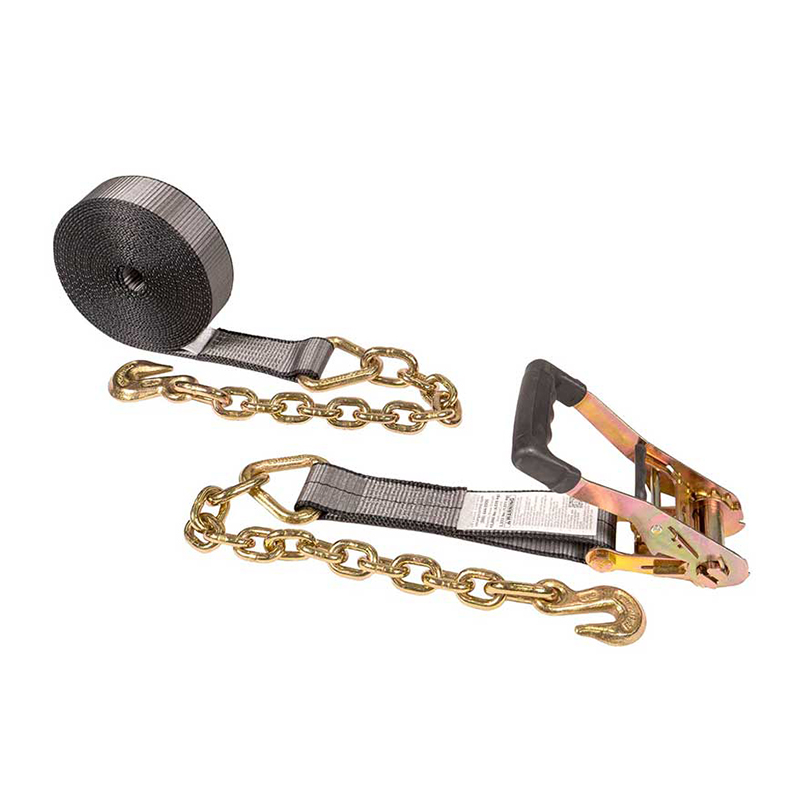
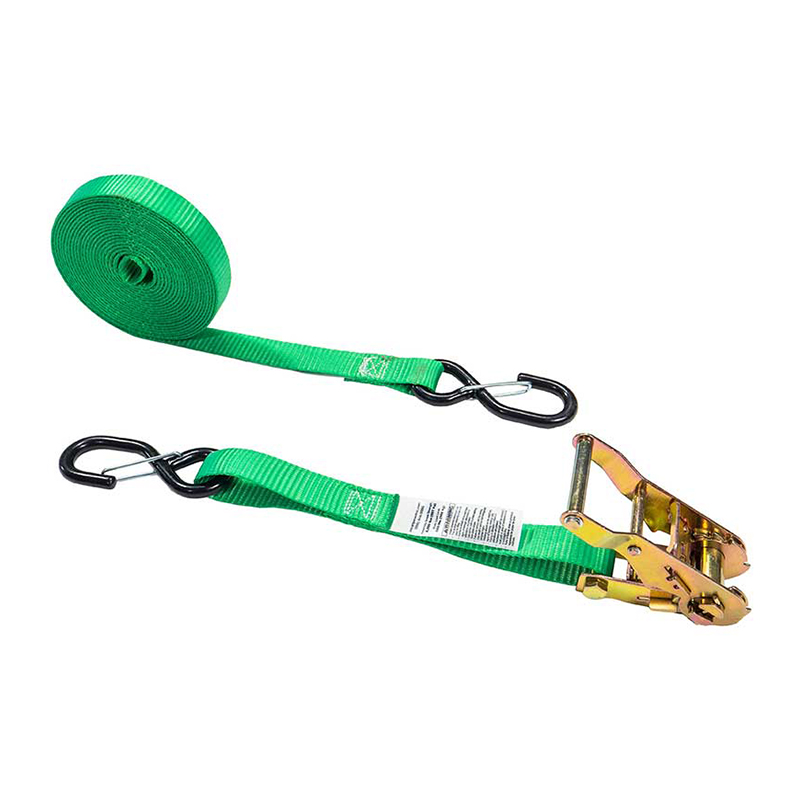

The company specialises in the field of logistics transportation,cargo control,lifting and hoisting products.


joe@forcerigging.com
+86-18650363763
No.469, Liansheng Road, Yinzhou District, Ningbo, Zhejiang Province, China.315111
Copyright © 2025 by Ningbo Force Auto Parts Co., Ltd. All Rights Reserved. China Ratchet Straps Manufacturers OEM/ODM Load Binding and Rigging Company


 English
 Español
 عربى
عربى 中文简体
中文简体