Ningbo Force Auto Parts Co., Ltd.
- joe@forcerigging.com
- +86-18650363763
Ningbo Force Auto Parts Co., Ltd.
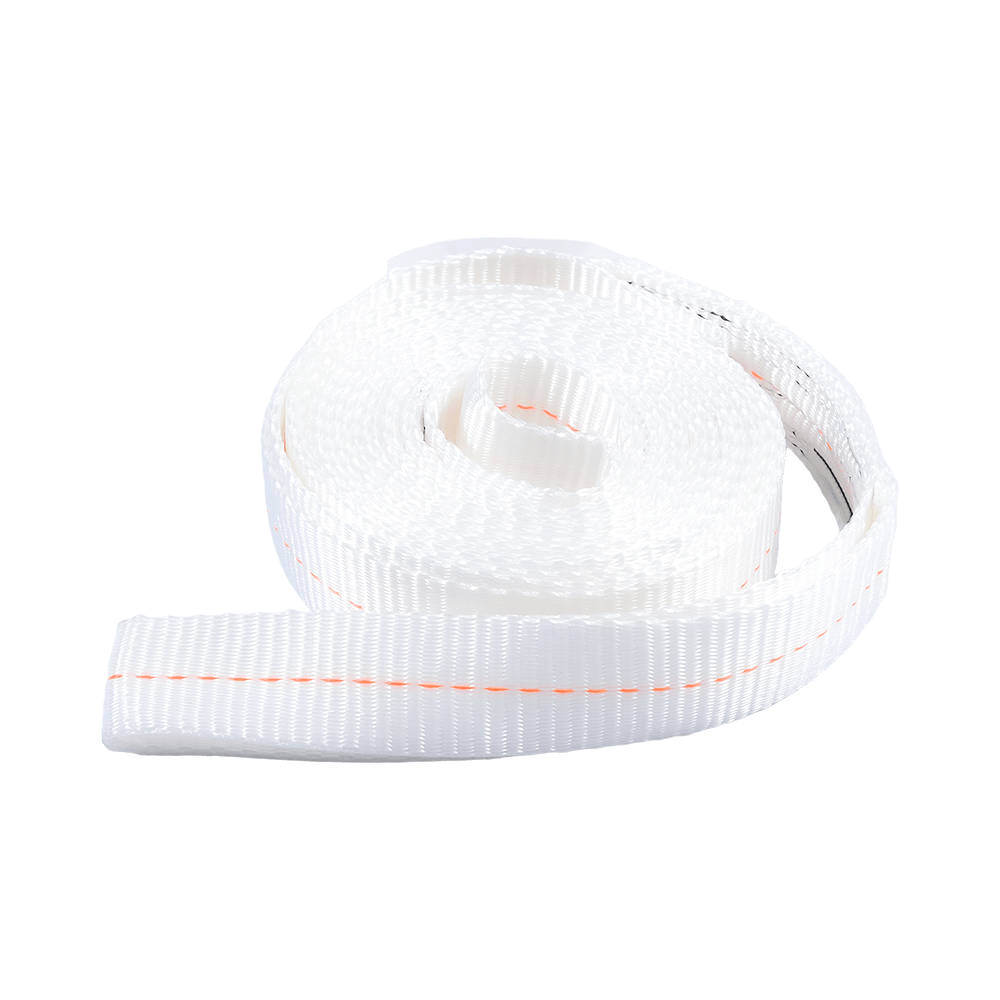
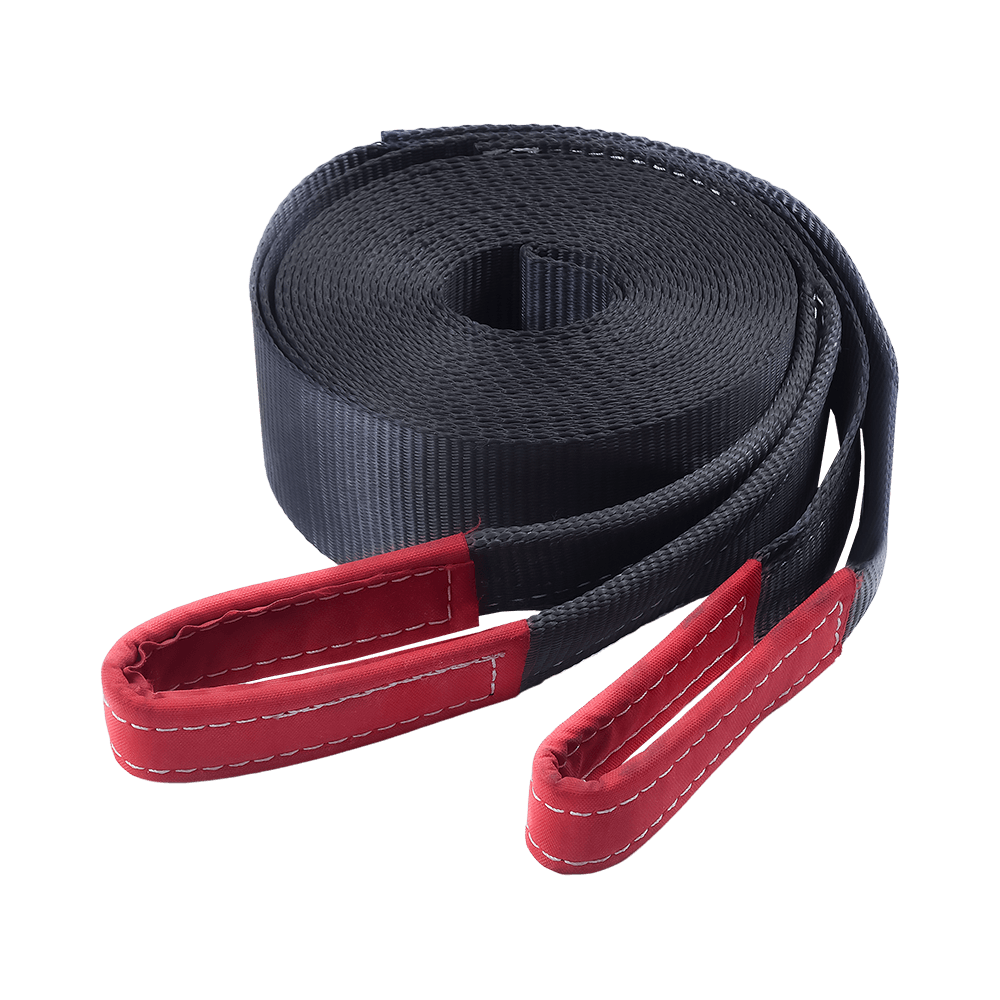
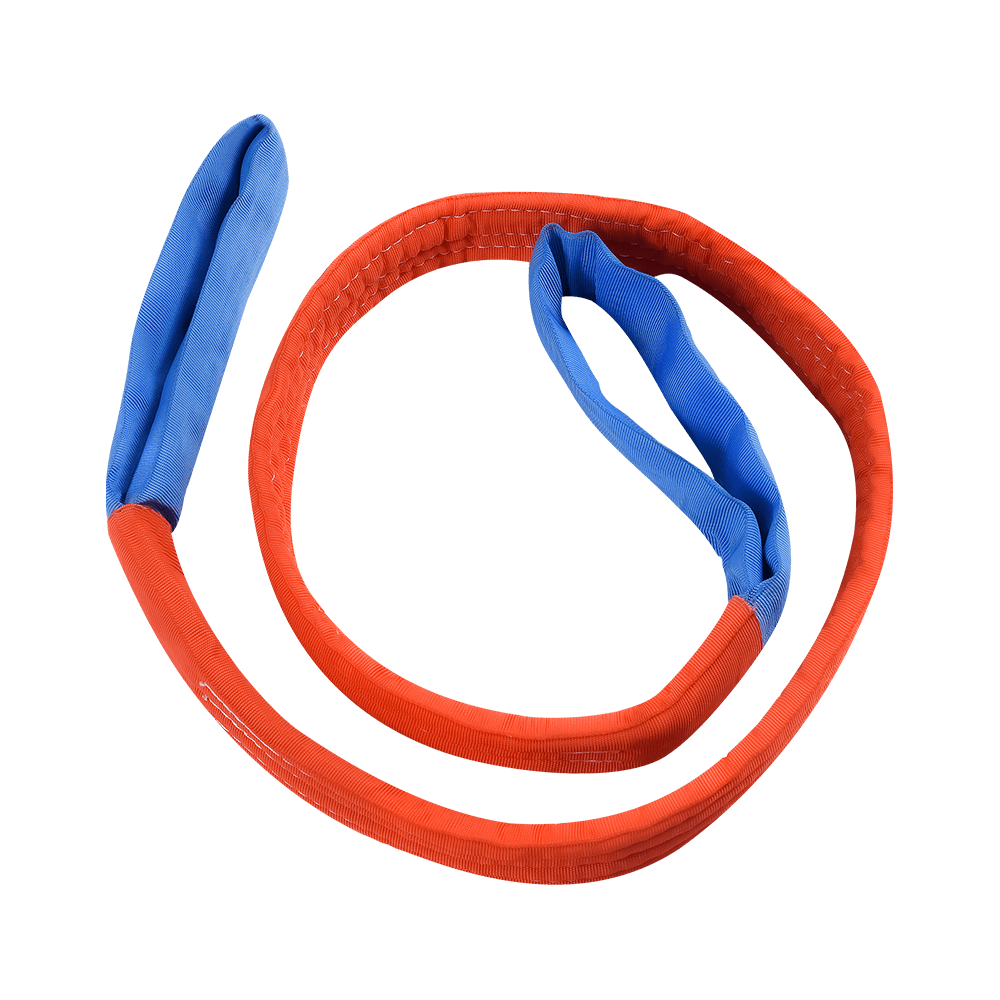
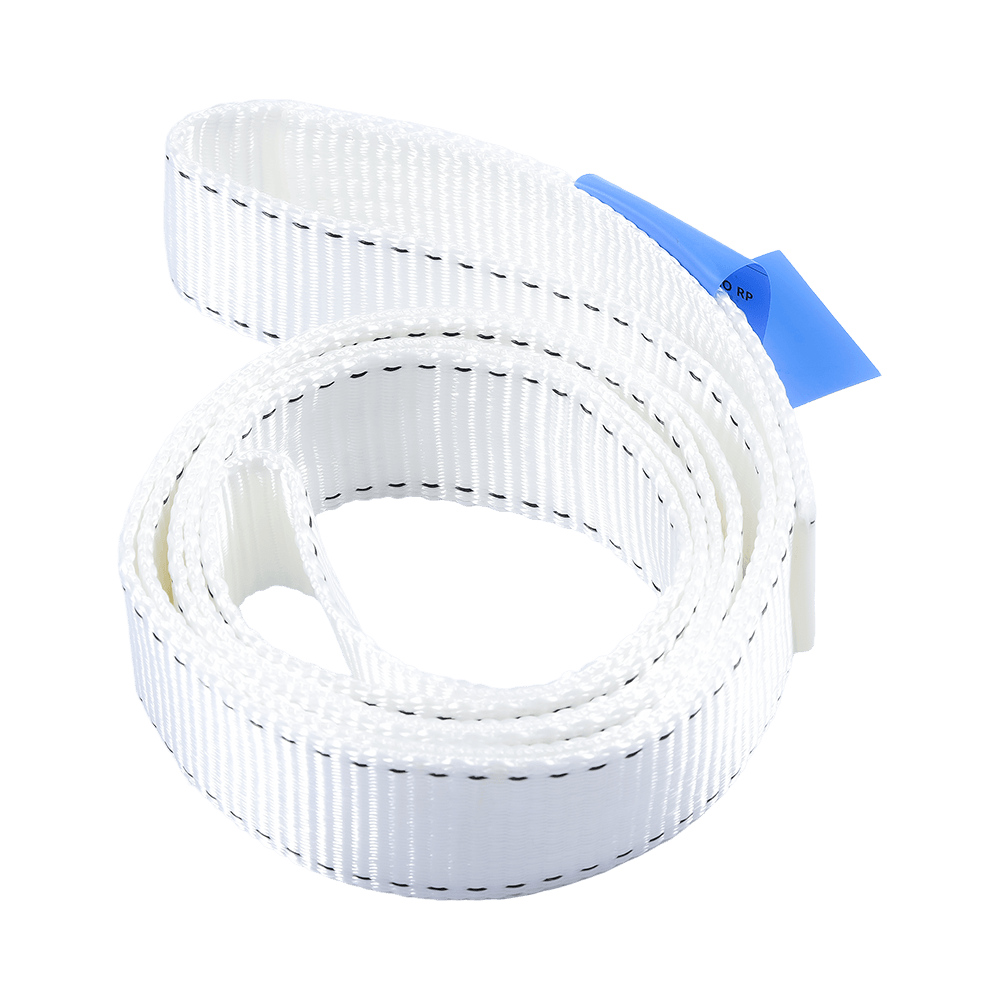
A flat webbing sling is a load-bearing lifting device made from woven synthetic fiber — most commonly polyester — formed into a flat, strap-like structure used to support, hoist, or secure heavy loads in industrial, construction, and logistics environments. Unlike chain slings or wire rope alternatives, flat polyester webbing slings offer a combination of high tensile strength, surface-friendly load contact, and lightweight handling that makes them the preferred lifting solution across a wide range of sectors, from construction and manufacturing to energy infrastructure and cargo transport.
This guide covers everything buyers, riggers, safety officers, and procurement teams need to know: construction, color coding, load ratings, international standards, inspection criteria, and how to source reliably from a qualified polyester webbing sling manufacturer.
Content
The core of a flat polyester webbing sling consists of multiple layers of high-tenacity polyester yarn woven into a flat band, typically between 25mm and 300mm in width. The weave pattern and yarn count directly determine the sling's working load limit (WLL). End fittings are formed by either folding and stitching the webbing back on itself to create sewn eyes, or by attaching metal hardware such as hooks or shackles.
Polyester is the dominant material for industrial flat lifting slings because it combines high strength-to-weight ratio with minimal stretch under load (typically less than 3% elongation at WLL), excellent UV resistance, and broad chemical compatibility. It does not absorb water, which means wet or submerged lifts do not compromise the sling's rated capacity — a critical advantage over nylon webbing slings in outdoor or marine environments.
A key safety feature in modern heavy duty lifting straps wholesale production is the incorporation of hidden warning threads. In US-standard slings (conforming to ASME B30.9 and WSTDA-WB-1), concealed blue threads are woven into the core. These threads only become visible at the surface when the outer webbing has worn to a dangerous degree, providing an unambiguous visual retirement signal without requiring specialist inspection equipment.
Flat Sling Material Performance Comparison (Score out of 100)
Polyester consistently outperforms nylon and polypropylene across the two most commercially critical performance categories for outdoor and heavy-duty industrial lifting applications. Its UV resistance score of 85 reflects the fact that polyester webbing retains approximately 95% of its rated tensile strength after 400 hours of UV exposure in standardized testing, while polypropylene degrades substantially faster. For businesses sourcing flat lifting sling supplier China products for long-service deployments in construction, energy, or port operations, polyester's superior durability profile translates directly to lower replacement frequency and reduced total cost of ownership. Nylon occupies a useful middle ground, offering excellent shock-load absorption but showing meaningful weakness in wet environments due to moisture-induced strength reduction of up to 15%.
Flat lifting slings sold in global markets must conform to one or more internationally recognized safety standards. These standards govern design factors, safety ratios, color coding, labeling, testing protocols, and traceability requirements. Sourcing from an EN1492-1 webbing sling supplier or a factory certified to equivalent standards is not simply a regulatory formality — it directly determines whether the sling will perform safely under rated loads and in audit or insurance contexts.
| Standard | Region | Safety Factor | Color Coding | Warning Thread |
|---|---|---|---|---|
| EN 1492-1 | European Union | 7:1 | Yes (capacity-specific) | Required |
| ASME B30.9 / WSTDA | United States | 5:1 | Yellow/Black standard | Blue hidden thread |
| AS 4497 | Australia | 8:1 | Yes (similar to EN) | Required |
The European standard EN 1492-1 uses a mandatory color coding system to allow rapid visual identification of a sling's working load limit at a glance. Each color corresponds to a specific WLL: violet (1 tonne), green (2 tonnes), yellow (3 tonnes), grey (4 tonnes), red (5 tonnes), brown (6 tonnes), blue (8 tonnes), and orange (10 tonnes). Additional black reference stripes on the body of the sling indicate tonnes of capacity — one stripe per tonne — providing a secondary quick-check for on-site riggers. This dual-identification system substantially reduces mis-rigging incidents where the wrong sling is selected for a given load.
The Australian AS 4497 standard applies the highest safety factor at 8:1, meaning a sling rated for 1 tonne WLL must have a minimum break strength of 8 tonnes in testing. This conservative ratio reflects the harsher environmental conditions and more stringent workplace health and safety legislation in Australian industrial sectors.
The working load limit (WLL) of a flat polyester webbing sling is not a fixed value — it changes significantly depending on the rigging configuration used. Procurement teams and site riggers must account for this when specifying slings for particular lifts. Ordering heavy duty lifting straps wholesale without specifying the intended rigging configuration is a common source of underspecification errors.
WLL Multiplier by Rigging Configuration (Relative to Rated Straight Lift)
This chart illustrates one of the most operationally critical — and frequently misunderstood — aspects of flat webbing sling use: rigging configuration dramatically changes effective working load capacity. The basket hitch below 45° delivers twice the straight-lift capacity, making it the optimal configuration for heavy, stable loads with accessible underside access. Conversely, increasing a two-leg bridle angle from 60° to 90° reduces effective capacity by 30%, yet many on-site riggers do not account for this. For businesses ordering cargo lifting straps for construction and deploying them across varied rigging scenarios, specifying slings based on the most demanding configuration expected on site — rather than straight-lift WLL alone — is essential for maintaining safety margins under all working conditions.
The EN 1492-1 color coding system is one of the most practical safety mechanisms in industrial lifting. By standardizing sling color to WLL across all compliant manufacturers, it enables workers to identify the correct sling visually within seconds — even in noisy, crowded, or low-light environments. This system is mandatory for any CE certified lifting slings factory supplying the European market.
EN 1492-1 Sling Color Code Chart
The EN 1492-1 color system provides two complementary identification methods: the dominant body color identifies the WLL category immediately at distance, while the black reference stripes confirm the specific tonne rating on closer inspection. This dual-check mechanism is particularly valuable in multi-sling lifts where different rated slings may be stored or used in proximity. For any industrial lifting sling OEM service supplying EU markets, adherence to this color scheme is a legal requirement under the Machinery Directive and must be reflected in both the webbing color and the attached data tag. Buyers sourcing from China-based manufacturers should verify that the correct color-matched yarn is used throughout the webbing width — not just applied as edge trim — to maintain full compliance.
Flat lifting slings are among the most versatile rigging components in industrial use. Their flat, wide contact surface distributes load across a greater area than wire rope or chain slings, reducing the risk of surface damage to sensitive or finished loads. This makes them indispensable across sectors where load integrity is as important as lifting capacity.
Global Synthetic Lifting Sling Market Size (USD Billion), 2019–2030
The global synthetic lifting sling market demonstrates sustained growth from approximately USD 3.0 billion in 2020 — temporarily impacted by construction slowdowns — to a projected USD 8.1 billion by 2030, representing a compound annual growth rate of around 7.8%. This expansion is driven by accelerating infrastructure investment across Asia-Pacific, the Middle East, and Africa, growing renewable energy project pipelines requiring specialist lifting equipment, and increasingly stringent workplace safety legislation that is pushing operators away from improvised securing methods toward certified flat lifting slings. For suppliers and OEM manufacturers of polyester webbing slings, this trajectory represents a robust long-term demand environment with continued diversification into higher-WLL and specialty configurations.
Regular inspection is the most important operational practice for maintaining sling safety. EN 1492-1 and ASME B30.9 both mandate pre-use inspection by the operator and periodic thorough examination by a competent person — typically every 6 or 12 months depending on frequency of use and environmental exposure. Procurement teams sourcing from a flat lifting sling supplier China should ensure that supplied slings include data tags listing the inspection and retirement record fields required by standard.
Risk Factor Exposure: Indoor vs Outdoor Sling Use
The radar chart reveals a clear pattern: outdoor-deployed slings face substantially elevated risk across five of six retirement trigger categories, with UV exposure and moisture showing the most pronounced gap relative to indoor environments. This has direct implications for inspection frequency — slings in outdoor construction or port environments should typically be inspected monthly, rather than the standard quarterly or bi-annual interval appropriate for controlled indoor lifting. Abrasion risk is elevated in both environments, underlining the importance of using corner protectors and padding whenever the sling contacts sharp structural edges. Businesses ordering cargo lifting straps for construction for outdoor deployment should factor shorter service life and higher replacement velocity into their stock planning and total cost calculations.
The global market for flat lifting slings is served by manufacturers ranging from small regional workshops to large-scale integrated production facilities. For procurement teams, project contractors, and distributors, identifying a reliable industrial lifting sling OEM service provider requires verifying several non-negotiable criteria beyond stated production capacity.
Ningbo Force Auto Parts Co., Ltd. has developed from a 1,000 m² startup in 2008 into a 30,000 m² modern production base by 2025, delivering 12 million pieces annually across its full product range. As a China OEM flat lifting slings factory and ODM heavy-duty flat webbing slings manufacturer, the company produces slings compliant with EU (7:1), US (5:1), and Australian (8:1) safety standards, with appropriate color coding, warning threads, and data tagging for each. Certifications held include CE, S-mark, GS, and ISO 9001:2015, and as a WSTDA member the company participates actively in industry standard development. Products are supplied to transportation, agriculture, construction, and energy sectors globally, with full OEM and ODM customization options for distributors requiring private-label or specification-specific products.
Safety Factor Requirements: Regional Standards Compared
Safety factor requirements vary meaningfully by regional standard: the Australian AS 4497 demands the most conservative 8:1 ratio, meaning a 2-tonne WLL sling must withstand a 16-tonne destructive load test. The EU EN 1492-1 standard applies a 7:1 factor, while the US ASME standard operates at 5:1. For buyers sourcing from a CE certified lifting slings factory for multi-market supply, specifying to the highest applicable standard — typically EU or Australian — ensures the product is compliant across all target regions. This also simplifies inventory management by eliminating the need to stock separately rated products for different market destinations.
Below are the most common questions from buyers, riggers, and safety professionals regarding flat polyester webbing slings.
Q1: What is the difference between a flat webbing sling and a round sling?
A flat webbing sling uses woven polyester in a flat band with sewn ends, while a round sling encases polyester yarn loops inside a tubular protective sleeve. Flat slings are more practical for standard industrial lifts and easier to inspect visually. Round slings offer higher WLL-to-weight ratios but have a smaller contact area on the load surface.
Q2: How often should flat lifting slings be inspected?
Pre-use visual inspection is required before every lift. A thorough examination by a competent person should be conducted at intervals not exceeding 12 months, or more frequently — typically every 3–6 months — for slings in high-frequency or outdoor use. Any sling involved in a shock load or incident should be inspected immediately before further use.
Q3: Can polyester webbing slings be used in wet or submerged conditions?
Yes. Polyester does not absorb water and retains its full rated strength when wet — a significant advantage over nylon, which can lose up to 15% of tensile strength when saturated. This makes polyester the recommended material for marine, port, and outdoor construction lifting where exposure to rain or standing water is expected.
Q4: What does the blue warning thread in a US-standard sling indicate?
The blue thread is a core damage indicator woven into WSTDA-compliant slings. It remains concealed inside the webbing during normal service. When outer webbing wear exposes the blue thread at the surface, this is a mandatory retirement signal — the sling has worn to a level where its structural integrity can no longer be assured and must be immediately removed from service.
Q5: What minimum order quantity is typical for bulk flat webbing sling supply?
For standard configurations, MOQs from OEM manufacturers typically begin at 500–1,000 units per specification. Custom sizes, colors, or non-standard WLLs may carry higher MOQs depending on yarn sourcing and production scheduling. Established OEM factories with dedicated webbing lines can often accommodate phased delivery to assist buyer inventory management.
Q6: Are flat slings suitable for use with chemicals or in high-temperature environments?
Polyester has good resistance to many dilute acids and alkalis but should not be used with concentrated bleach, strong oxidizing acids, or chlorinated solvents. For temperature, polyester slings should not contact surfaces above 100°C, at which point strength reduction begins. For chemical or high-heat environments, specialist sling materials or protective sleeves should be specified.
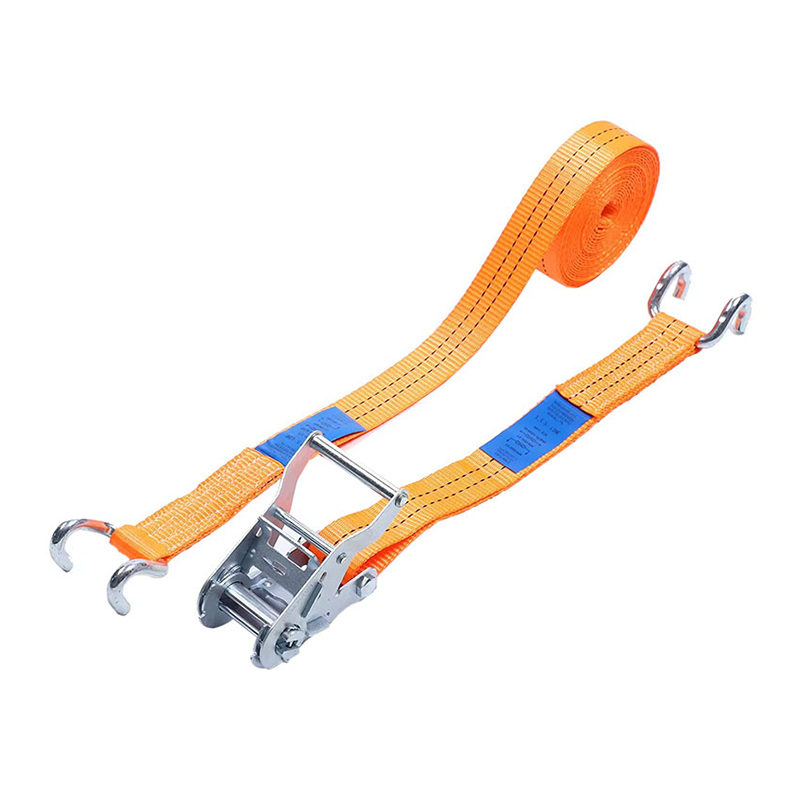
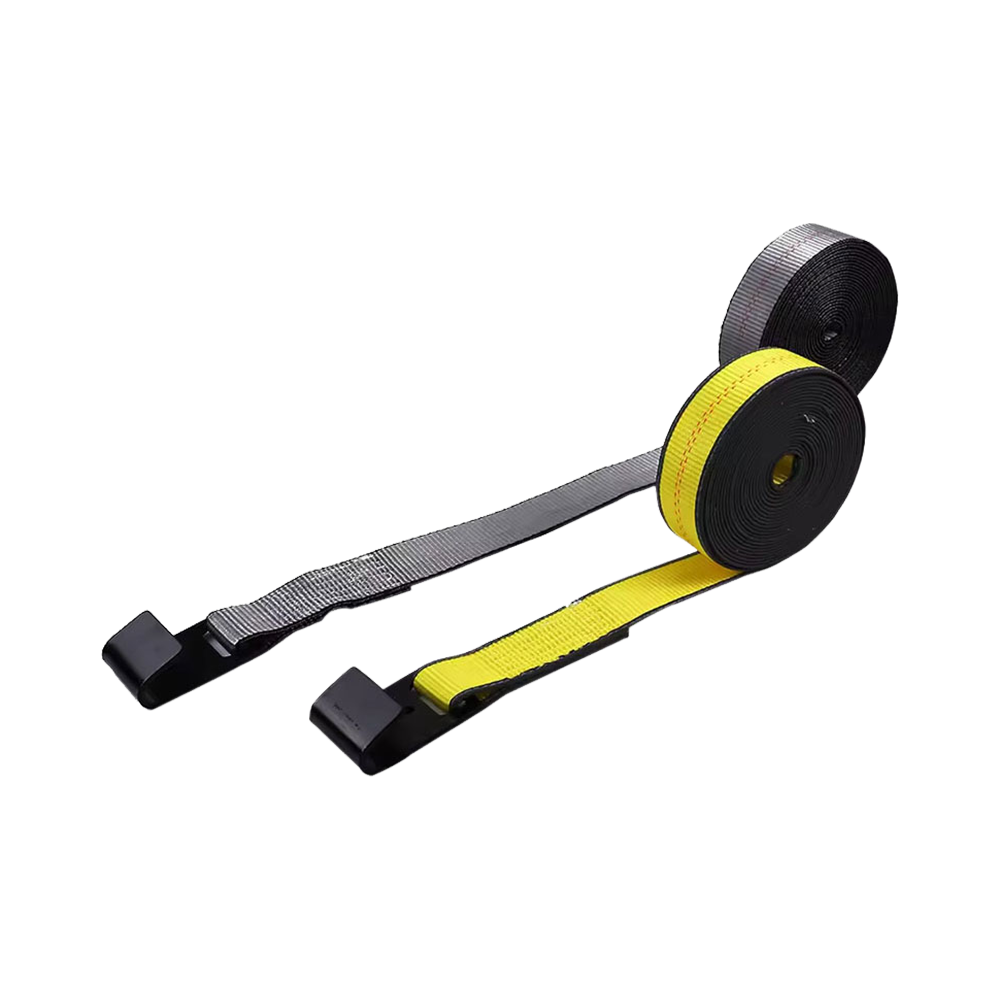

The company specialises in the field of logistics transportation,cargo control,lifting and hoisting products.


joe@forcerigging.com
+86-18650363763
No.469, Liansheng Road, Yinzhou District, Ningbo, Zhejiang Province, China.315111
Copyright © 2025 by Ningbo Force Auto Parts Co., Ltd. All Rights Reserved. China Ratchet Straps Manufacturers OEM/ODM Load Binding and Rigging Company


 English
 Español
 عربى
عربى 中文简体
中文简体