Ningbo Force Auto Parts Co., Ltd.
- joe@forcerigging.com
- +86-18650363763
Ningbo Force Auto Parts Co., Ltd.
The correct use of tie down straps starts with three non-negotiable steps: selecting the right strap type for your load, anchoring to rated anchor points, and tensioning to the manufacturer's Working Load Limit (WLL). Whether you are securing freight on a flatbed, loading a motorcycle onto a trailer, or strapping equipment for an off-road haul, improper technique accounts for the majority of cargo shift incidents recorded by the FMCSA. This guide delivers a complete, practical breakdown of how to use heavy duty tie down straps correctly in 2026, backed by current standards, field data, and expert-tested methods.
Cargo securement is not optional — it is a legal requirement under federal and state regulations. The Federal Motor Carrier Safety Administration (FMCSA) reports that unsecured loads contribute to roughly 25,000 crashes and 90 fatalities annually in the United States. Choosing commercial grade tie down straps and understanding how to apply them correctly is the single most effective step any operator or driver can take to prevent these incidents.
Content
Not every strap is engineered for every job. Using the wrong strap type can lead to slippage, webbing damage, or catastrophic load failure. The five primary categories of tie down straps each serve a distinct function, and knowing the difference gives you both safety and operational efficiency.
Ratchet tie down straps are the industry standard for heavy freight, construction equipment, and flatbed hauling. The ratchet mechanism provides mechanical advantage, allowing a single operator to apply consistent, measured tension without manual effort. Most commercial-grade ratchet straps carry a WLL of 833 lbs to 5,000 lbs, depending on width. They are mandatory under FMCSA 49 CFR Part 393 for loads exceeding 1,100 lbs on flatbed trailers.
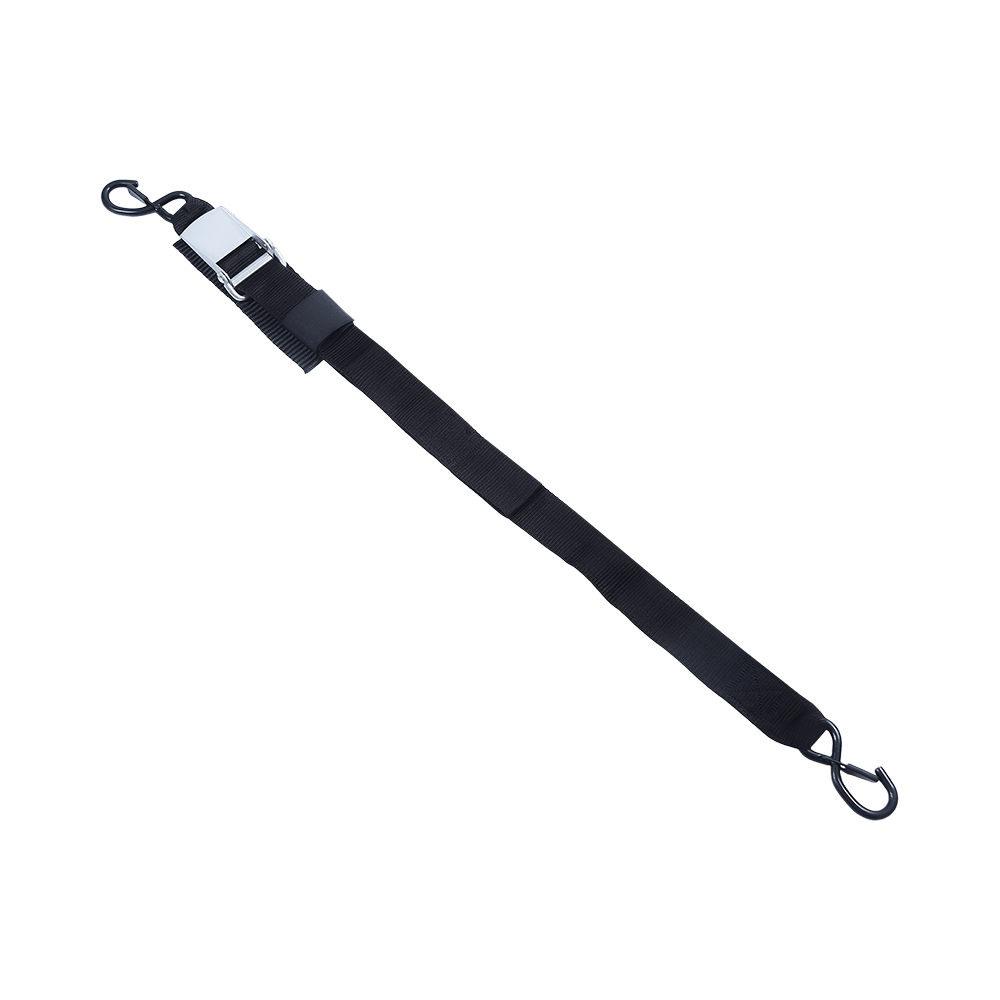
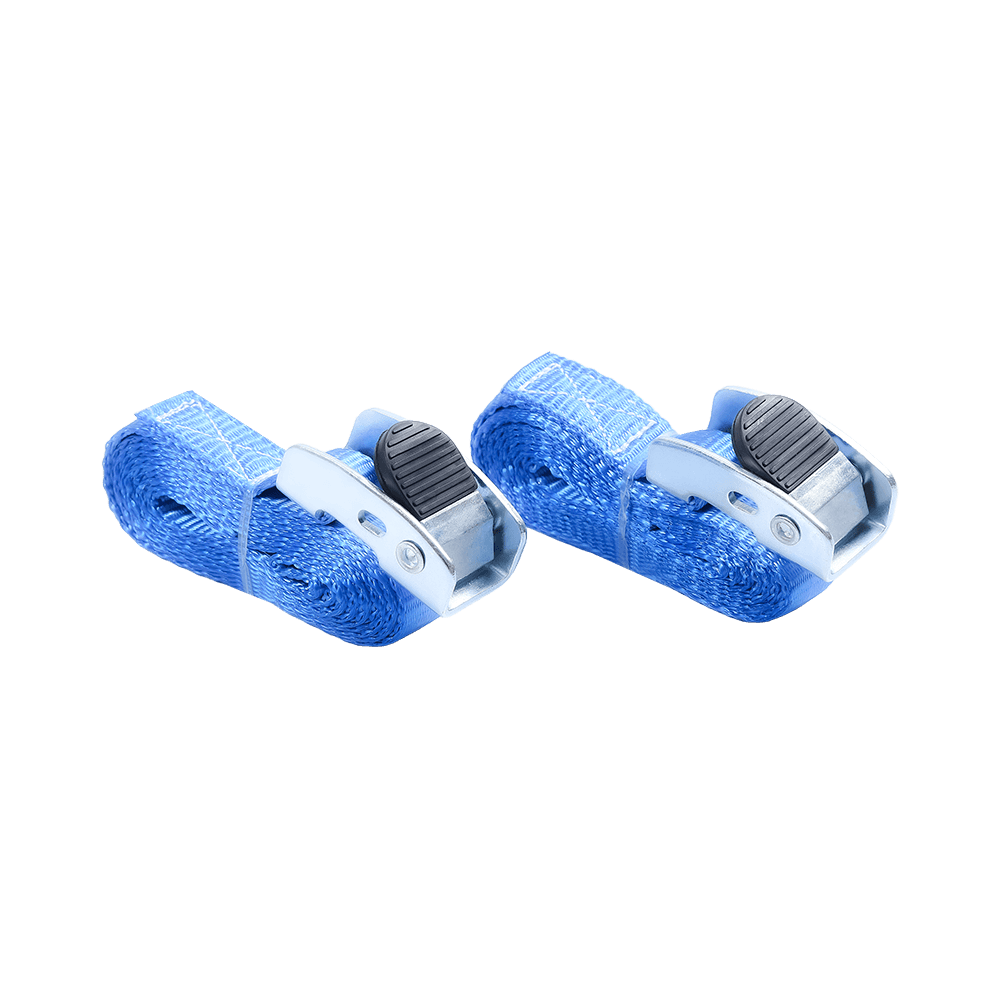
Cam buckle straps use a friction-lock mechanism rather than a ratchet, making them fast to apply and ideal for lighter, pressure-sensitive cargo like motorcycles, ATVs, kayaks, and antique vehicles. Motorcycle tie down straps in the 1-inch width category typically employ cam buckle designs to avoid over-compression of fork seals and handlebars. Their WLL is generally lower — ranging from 100 lbs to 500 lbs — so they should never be used as a substitute for ratchet straps on heavy freight.
Winch straps, also known as flatbed tie down straps, are threaded through the winch bar on steel flatbed trailers and tightened by a socket bar or wrench. They are the preferred choice for long-haul flatbed operations because they allow rapid loading and unloading. A 4-inch winch strap with a WLL of 5,400 lbs is standard on most Class 8 flatbed trailers hauling steel coils, lumber, or machinery.
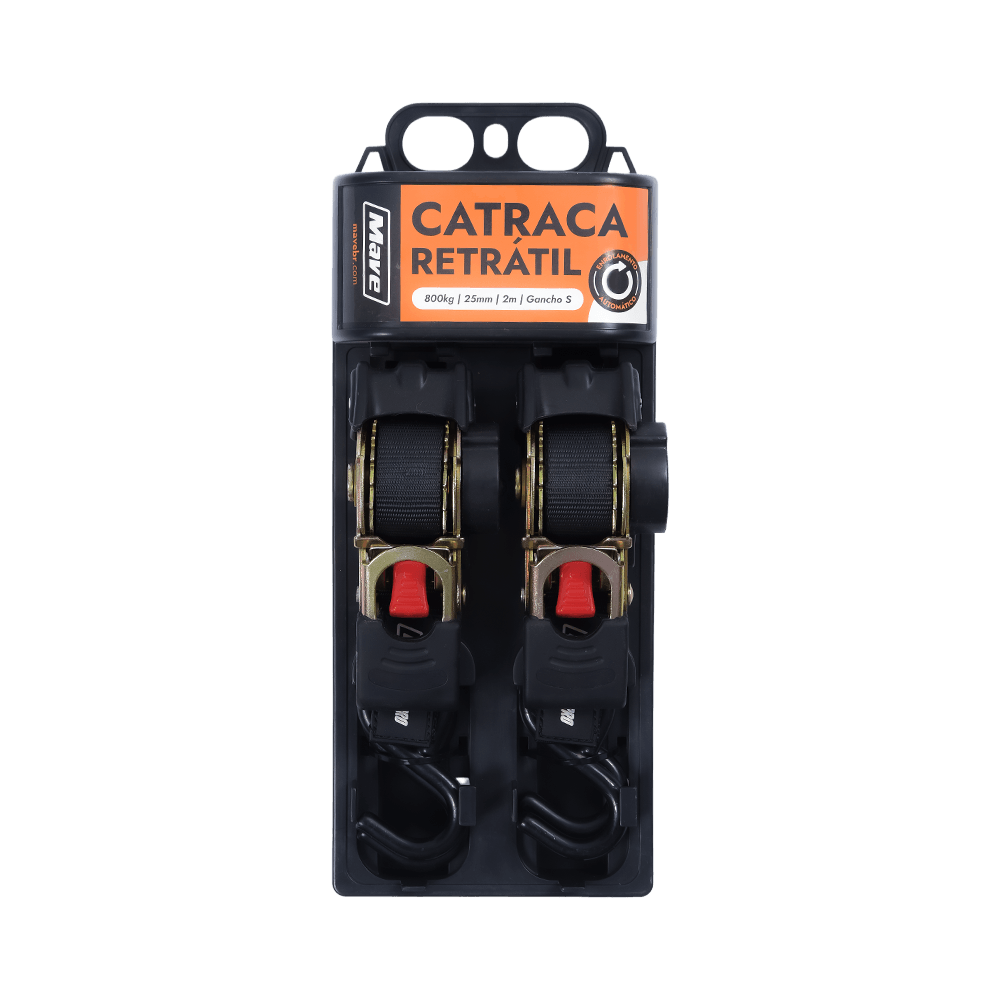
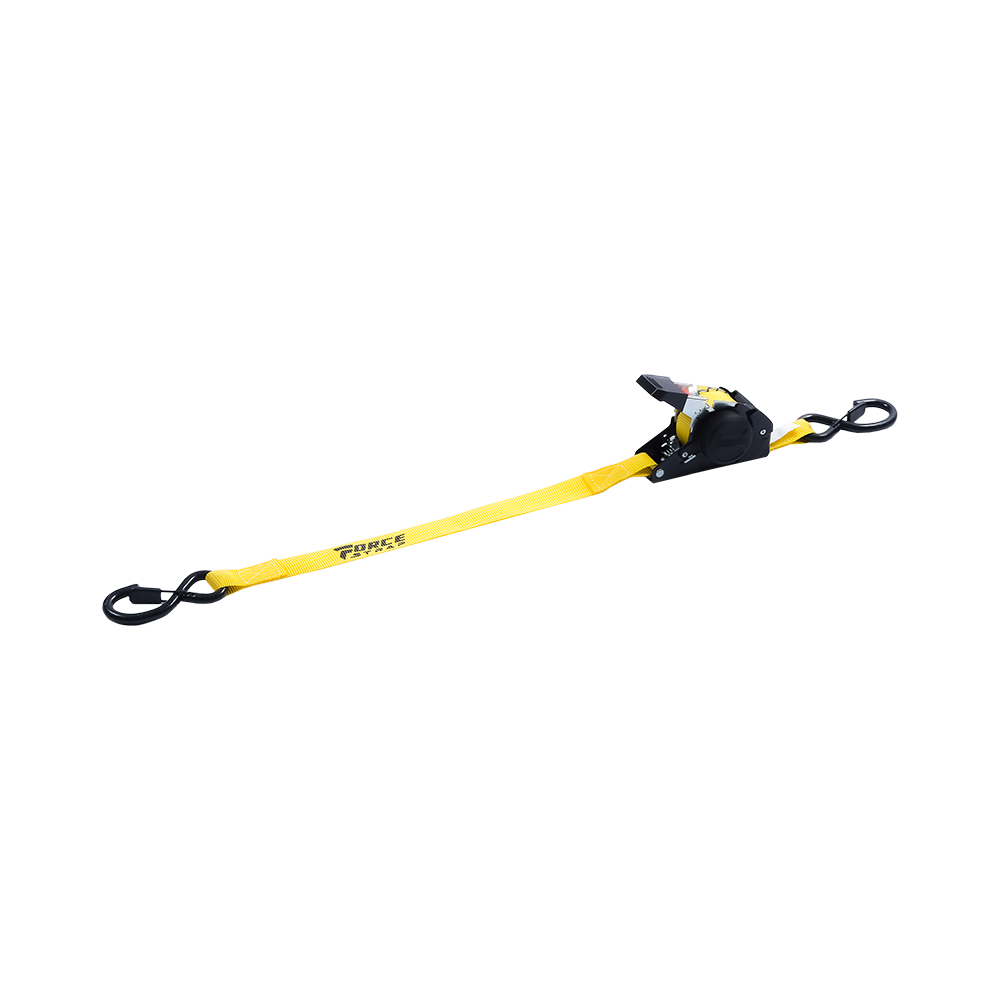
Retractable tie down straps feature a spring-loaded spool that automatically recoils excess webbing, reducing tangling and storage time. They are popular in van-body delivery fleets, rental trucks, and retail cargo environments where repeated securing and releasing happens multiple times per shift. Automatic straps with locking mechanisms are increasingly used in warehouses and e-commerce fulfillment centers.
Trailer tie down straps are purpose-built for securing cargo on open or enclosed trailers, featuring coated hooks that resist corrosion from road salt and moisture. Boat tie down straps often incorporate polyester webbing with rubberized coatings to protect hull finishes and resist UV degradation during extended outdoor storage or transport.
This horizontal bar chart illustrates the Working Load Limit (WLL) range across the most common tie down strap types and widths. Ratchet and winch straps dominate heavy-duty applications, while motorcycle and cam buckle straps are engineered for lighter, more sensitive loads. Always match the strap's WLL to the actual weight and securement requirements of your cargo.
Correct ratchet strap technique is not difficult once the sequence is understood. The following steps apply to commercial grade tie down straps used on trailers, flatbeds, and pickup trucks for loads up to the strap's rated WLL.
The FMCSA mandates that cargo be re-inspected within the first 50 miles of departure and at every change in driving conditions thereafter. This rule applies to all carriers operating commercial motor vehicles, but is good practice for any trailer operator.
One of the most common errors in cargo securement is using too few straps. The FMCSA's rule is straightforward: the combined aggregate WLL of all tie-downs must equal at least 50% of the cargo's total weight. For a 10,000 lb load, you need tie-downs with a combined WLL of at least 5,000 lbs.
Beyond that formula, the FMCSA specifies a minimum number of tie-downs based on cargo length:
| Cargo Length | Minimum Tie-Downs Required | Typical Strap Type |
|---|---|---|
| Under 5 ft | 1 | Cam Buckle or Ratchet |
| 5–10 ft | 2 | Ratchet Tie Down Straps |
| 10–20 ft | 3 | Heavy Duty Tie Down Straps |
| Over 20 ft | 4+ | Flatbed / Winch Straps |
For irregular or dense cargo, the best practice is to exceed the minimum. Professional freight carriers routinely use 20–30% more tie-downs than the minimum requirement to account for vibration, road surface variation, and emergency braking forces.
The majority of modern cargo securement straps — whether ratchet tie down straps, flatbed tie down straps, or motorcycle tie down straps — are manufactured from high-tenacity polyester tie down straps webbing. The reason is not arbitrary: polyester offers a performance combination that no other affordable fiber can match for outdoor cargo applications.
This grouped bar chart compares polyester, nylon, and polypropylene across five key performance properties scored out of 100. Polyester leads in four of five categories, making it the clear material of choice for professional cargo securement. Nylon performs reasonably well in tensile strength but falls behind in moisture resistance and low-elongation behavior — critical factors for flatbed and trailer applications where load shift is a constant risk.
Selecting straps that comply with recognized safety standards is not a formality — it directly determines whether your load is legally and practically secured. The three major standards governing heavy duty tie down straps and cargo securement straps in global trade are:
Always verify that tie down straps display a legible WLL tag. A strap without a WLL label cannot be confirmed as compliant and should not be used in any professional or commercial application. When sourcing custom tie down straps or commercial grade tie down straps for specialized applications, request test certificates from the manufacturer showing compliance with the applicable standard for your region.
Motorcycle tie down straps require a more nuanced approach than heavy freight because the load is light, tall, and top-heavy — prone to tipping rather than shifting. Incorrect technique can damage front fork seals, handlebars, fairings, and foot pegs, or allow the motorcycle to tip sideways on a sharp corner.
Using 1-inch cam buckle straps with a soft loop set is the professional standard for motorcycle transport. Ratchet straps should be used only if the operator is careful not to over-compress the front fork — a common mistake that can cost hundreds in seal replacement.
The global tie-down straps market was valued at approximately USD 850 million in 2023 and is projected to reach USD 1.3 billion by 2029, driven by growth in e-commerce logistics, construction sector expansion, and tightening regulatory compliance requirements. The shift from chains and wire rope to polyester tie down straps and heavy duty cargo straps has accelerated, with polyester webbing now accounting for over 68% of all commercial cargo securement webbing sold globally.
This line chart tracks the projected global tie-down strap market value from 2019 to 2029. The growth curve accelerates noticeably from 2023 onward, driven by rising logistics volumes, stricter cargo securement enforcement, and wider adoption of polyester webbing solutions across emerging market transport networks. The compound annual growth rate (CAGR) for the forecast period stands at approximately 7.3%, reflecting sustained demand in both commercial and industrial end-use segments.
Key sectors driving demand include long-haul trucking (flatbed and refrigerated), construction and infrastructure, recreational vehicle transport, and the rapidly expanding last-mile delivery segment. The push for custom tie down straps tailored to specific vehicle types or load geometries is particularly strong in automotive OEM and specialty freight markets.
Even experienced operators make errors that reduce strap effectiveness or create hazards. Understanding these mistakes helps establish a safety-first culture across fleets, job sites, and individual hauling operations.
This horizontal bar chart illustrates the most frequently cited cargo securement errors identified in a composite industry survey of fleet operators and enforcement officers. Using an insufficient number of straps is the leading cause of load shift incidents, accounting for 38% of reports. The second most common issue — using damaged or worn straps — underscores the importance of pre-use inspections. Together, these two preventable errors account for nearly two-thirds of all reported securement failures.
Width is one of the most decisive factors in strap selection for flatbed tie down straps and trailer tie down straps. A wider strap distributes tension across a larger surface area, reducing the pressure per square inch on both the cargo and the load bed — this matters especially for loads with finished surfaces or those prone to surface marking.
| Width | Typical WLL | Best Use Case | Common Application |
|---|---|---|---|
| 1 inch | 300–500 lbs | Motorcycles, ATVs, light cargo | Motorcycle tie down straps |
| 1.5 inch | 833–1,500 lbs | Lawn equipment, boats, kayaks | Boat tie down straps |
| 2 inch | 1,667–3,300 lbs | Vehicles, trailers, construction | Trailer tie down straps |
| 3 inch | 3,300–4,700 lbs | Heavy machinery, steel, lumber | Flatbed tie down straps |
| 4 inch | 5,000+ lbs | Industrial equipment, coils, tanks | Commercial grade / winch straps |
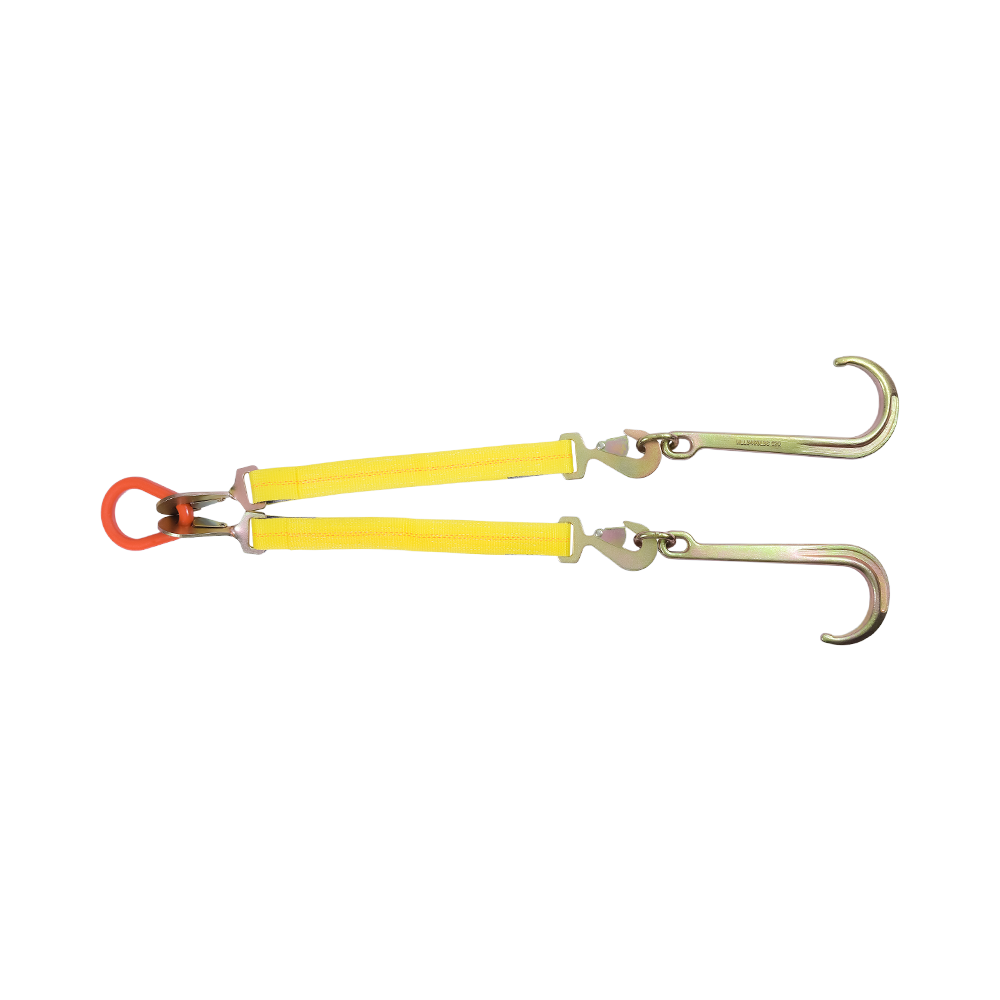
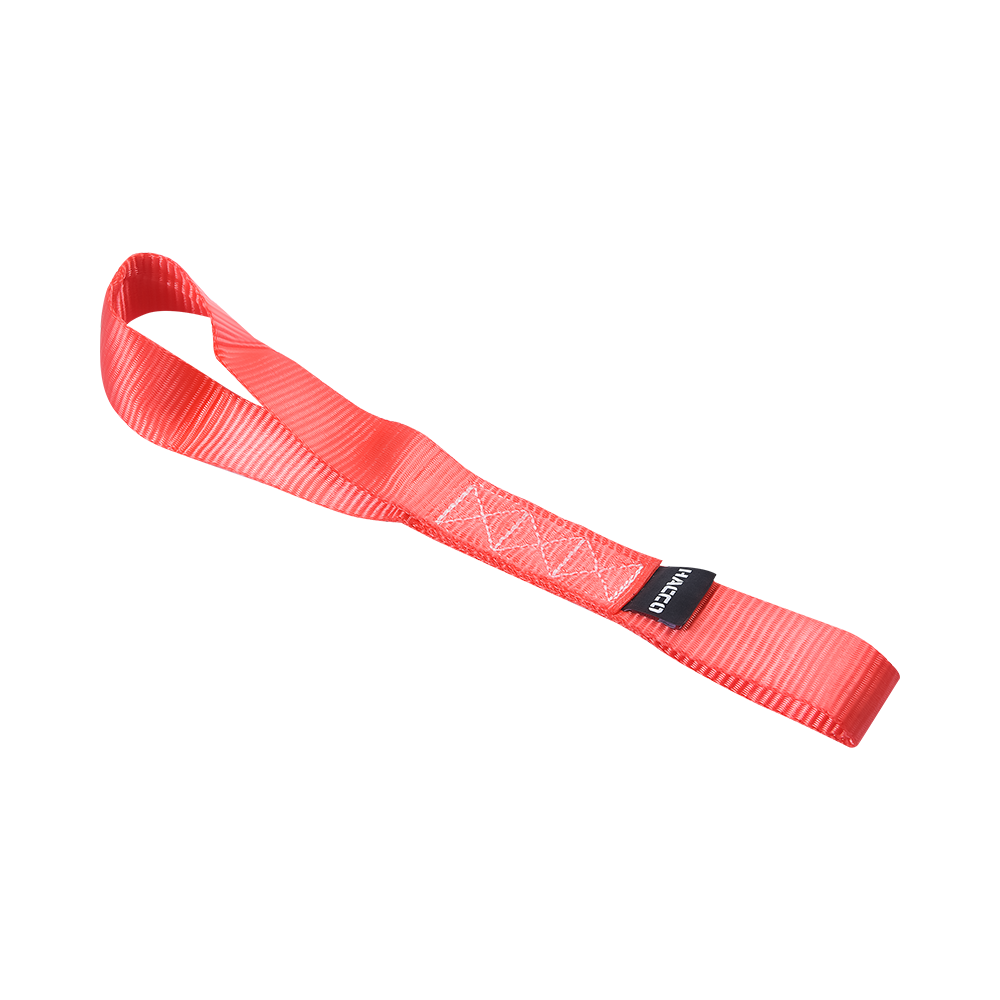
Ningbo Force Auto Parts Co., Ltd is a full-service tie down straps manufacturer offering a comprehensive range of cargo securement solutions: cam buckle straps, ratchet tie down straps, winch straps, automatic straps, and tow straps, among others. All products are constructed from high-strength polyester tie down straps webbing with durable buckles and precision-forged hooks.
Products are available in 1–4 inch widths with tensile strengths reaching up to 5,000 kg per strap — and up to 10 tons for specialized heavy duty cargo straps configurations. Every strap is tested and labeled with a Working Load Limit, and the product line complies with WSTDA-T-1, EN 12195, and AS/NZS 4380 standards, making them suitable for North American, European, and Asia-Pacific markets.
As a WSTDA member, Ningbo Force maintains the quality protocols and testing disciplines expected of suppliers to logistics, transportation, and construction industries. The company also provides custom tie down straps solutions — including custom lengths, colors, hook types, and labeling — for OEM customers, fleet operators, and specialty freight applications. Tailored solutions are available to meet the unique requirements of individual projects or large-volume commercial contracts.
No strap lasts forever, and using a degraded strap is more dangerous than using no strap at all — because it creates a false sense of security. The WSTDA recommends retiring any strap that displays one or more of the following conditions:
Establish a written inspection log for all tie-down straps in a commercial fleet. Tag each strap with a date-of-service marker. A proactive replacement policy — replacing straps after a fixed number of uses or a set calendar period — is more reliable than visual inspection alone, particularly for high-cycle applications.
This column chart illustrates estimated service life for polyester tie down straps across four usage intensity categories. Straps used occasionally in protected environments may serve reliably for up to 8 years, while those subjected to intensive commercial daily use should be considered for scheduled replacement within 1–2 years. These estimates assume proper storage, regular inspections, and use within the strap's rated WLL — straps exposed to harsh chemicals, extreme temperatures, or sharp edges will age faster.
Q1: What is WLL and why does it matter for tie down straps?
WLL stands for Working Load Limit — the maximum load a strap is rated to secure under normal conditions. It is set at one-third of the strap's break strength. Always confirm the combined WLL of all straps used equals at least 50% of your cargo's total weight. This is a legal requirement under FMCSA regulations for commercial vehicles.
Q2: How many ratchet straps do I need to secure a car on a flatbed?
For a standard passenger vehicle on a flatbed trailer, four 2-inch ratchet tie down straps — two at the front axle and two at the rear — are the accepted minimum. Use wheel nets or axle straps rather than hooking directly to bumpers or body panels. Always confirm all four anchor points are rated for the load.
Q3: Can I reuse tie down straps after they have been used in a heavy-load application?
Yes, provided the strap passes a thorough visual and tactile inspection each time. Look for cuts, fraying, UV discoloration, stiff or melted fibers, and deformed hardware. Straps that have been subjected to shock loading or that show any signs of webbing damage must be retired. Polyester tie down straps are designed for repeated use but are not indefinite-life items.
Q4: What is the difference between a tie down strap and a lashing strap?
The terms are often used interchangeably, but lashing straps are typically associated with EN 12195-2 (European standard) and measure capacity in daN lashing capacity (LC), while tie down straps are the common North American term measured in WLL (lbs). Functionally, both secure cargo using tensioned polyester webbing — the difference is primarily in the rating system and regional standard applied.
Q5: Are retractable tie down straps as strong as standard ratchet straps?
Retractable tie down straps are generally designed for lighter-duty applications — typically in the 300–1,000 lbs WLL range — and are valued for speed and convenience rather than maximum holding power. For heavy freight, flatbed, or commercial applications, standard ratchet tie down straps with higher WLL ratings remain the preferred and more reliable choice.
Q6: Can I use regular tie down straps for securing a motorcycle?
Standard ratchet tie down straps can be used for motorcycles, but only with caution and the correct attachment points (soft loops through handlebars or subframe, never hooks on suspension). Motorcycle-specific cam buckle straps with soft loops are generally recommended because they apply controlled tension without risking over-compression of fork seals or damage to bodywork.

The company specialises in the field of logistics transportation,cargo control,lifting and hoisting products.


joe@forcerigging.com
+86-18650363763
No.469, Liansheng Road, Yinzhou District, Ningbo, Zhejiang Province, China.315111
Copyright © 2025 by Ningbo Force Auto Parts Co., Ltd. All Rights Reserved. China Ratchet Straps Manufacturers OEM/ODM Load Binding and Rigging Company


 English
 Español
 عربى
عربى 中文简体
中文简体