Ningbo Force Auto Parts Co., Ltd.
- joe@forcerigging.com
- +86-18650363763
Ningbo Force Auto Parts Co., Ltd.
On a precast bridge project, the lifting crew had to replace a 6-tonne panel three times a week. The argument was never about the panel — it was about the rigging hanging below the hook. Every kilogram of steel chain and wire rope reduced the crane's usable payload. When the crew switched to HMPE round slings, the hook load dropped sharply and the load became noticeably easier to control. That is exactly why buyers search for HMPE round slings: synthetic-sling flexibility with the strength and low stretch of a high-modulus fibre.
Content
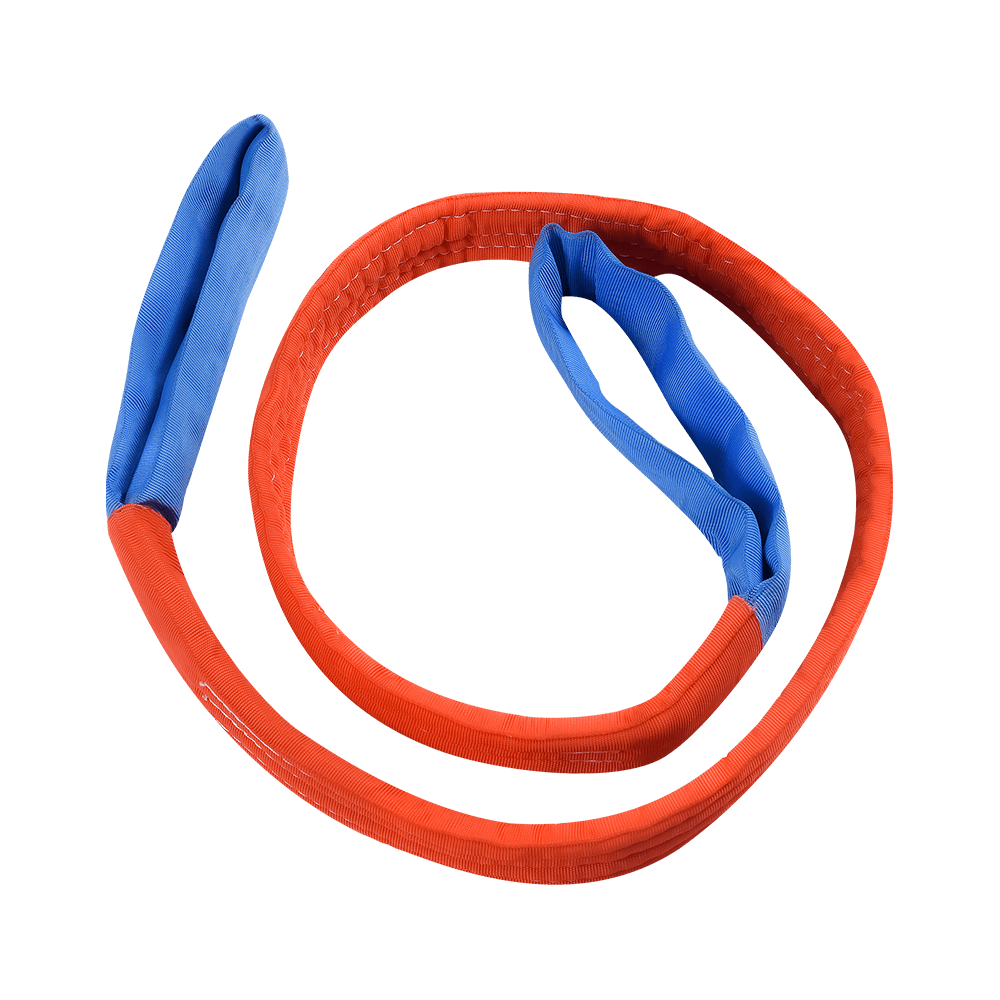
An HMPE round sling is an endless loop of continuous high-modulus polyethylene (HMPE) yarns — a type of ultra-high-molecular-weight polyethylene (UHMWPE) — protected by a woven tubular cover. The yarns run in parallel around the full circumference, so every fibre shares the load. There are no splices, no wire cores and no metal parts inside the body.
Because HMPE has roughly double the specific strength of polyester and is lighter than water, a round sling built from it can replace a steel chain at a fraction of the weight. Its very low elongation also improves load control, which matters for precise positioning and for avoiding the bounce that damages loads and equipment. The main trade-offs are a lower melting point — around 145°C for the yarn — and a higher price per sling than polyester.
The same continuous-loop construction is used across the manufacturer's standard round sling range, which is rated from 1 tonne to 10 tonnes and can be ordered with the loops and colours your application needs:
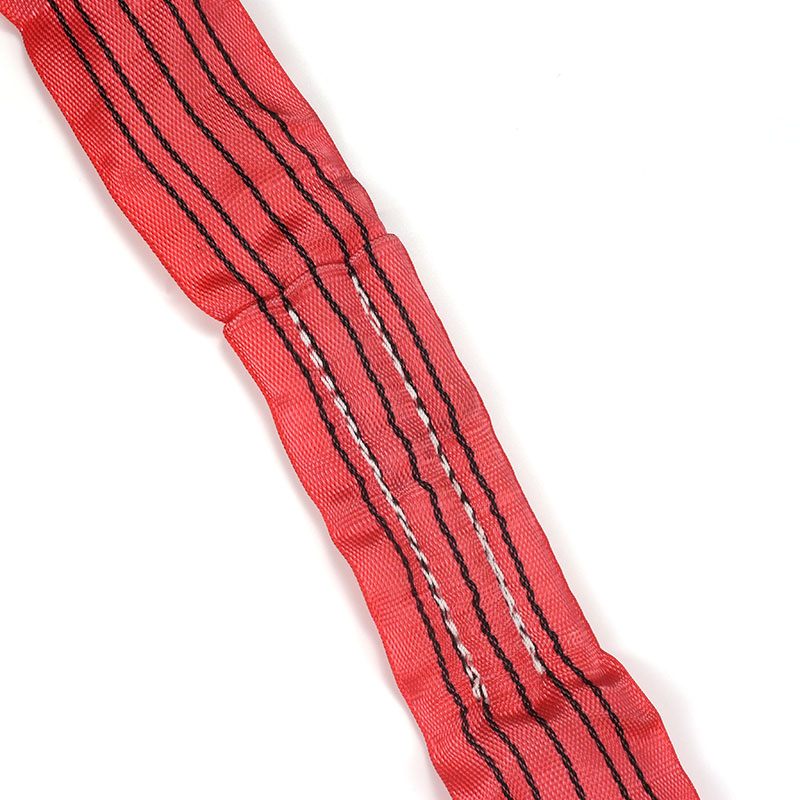 5-Ton Polyester Round Webbing Sling with Continuous Loop DesignThis 5-tonne round sling offers a practical balance of strength and flexibility for medium loads. Its polyester construction is discussed in the surrounding comparison, making it a useful reference for choosing between cost-effective polyester and specialized HMPE options.View Product →
Most round slings sold worldwide are polyester because they offer the best balance of cost and durability. HMPE becomes attractive when weight, stretch or buoyancy are critical. The table below compares typical yarn-level values.
| Property | HMPE | Polyester |
|---|---|---|
| Density | ~0.97 g/cm³ | ~1.38 g/cm³ |
| Strength-to-weight | High (approx. 1.5× polyester) | Reference |
| Elongation at break | ~3–4% | ~10–14% |
| Melting point | ~144°C | ~255°C |
| Moisture behaviour | Very low absorption; floats | Low absorption; sinks |
| Relative cost | Higher | Lower |
Polyester remains the best value for most general lifting work. HMPE makes sense when headroom or crane capacity is tight, when the load must stay dimensionally stable during positioning, or when the sling will work in wet or marine conditions. If you are also comparing flat loops, our article on round slings vs flat webbing slings explains how contact area changes the choice.
Every synthetic sling label lists two numbers: the working load limit (WLL) — the maximum force you may apply in normal service — and the breaking force, at which the sling is expected to fail. Standards such as EN 1492-2 and ASME B30.9 require synthetic round slings to be designed with a safety factor of at least 5:1. So a sling marked with a 2-tonne WLL should not break below 10 tonnes.
| Rated capacity (WLL) | Approx. break force (5:1) |
|---|---|
| 1 t | 5 t |
| 2 t | 10 t |
| 3 t | 15 t |
| 5 t | 25 t |
| 8 t | 40 t |
| 10 t | 50 t |
Because HMPE stretches so little, shock loads travel almost instantly through the sling. Never exceed the WLL, and avoid sudden release or snatch loading — the peak force can be far higher than the static weight of the load.
Round slings fail slowly, and the signs are visual if you look at the right places. Make it a habit to inspect before each shift and after any heavy or unusual lift.
Sharp edges are the most common cause of cover damage. Use edge protectors on steel corners, and if the cover is cut deeply enough to expose the core, destroy the sling immediately.
The capacity on the label is only valid for a vertical hitch. The same sling has a different effective capacity when the configuration changes.
| Hitch configuration | Typical capacity vs. label |
|---|---|
| Vertical | 100% |
| Choker | ~80% of vertical rating |
| Basket, legs near vertical | Up to 200% |
| Basket, wide included angle | Reduce per label chart |
For daily fabrication or machinery maintenance, a 2–5 tonne sling is usually the practical starting point. Heavy structural steel, precast elements and repeated plant moves often justify an 8–10 tonne sling so the loop is never strained near its limit. If you regularly handle loads around ten tonnes, choose a sling rated for that ceiling:
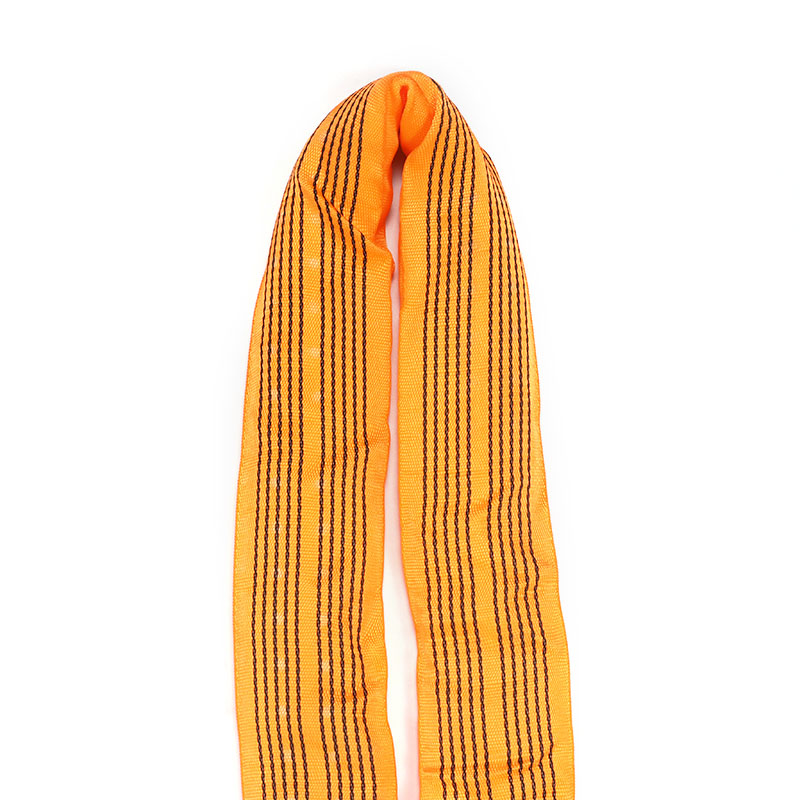 10-Ton Heavy-Duty Round Webbing Sling for Frequent LiftingRated for 10-tonne lifts, this heavy-duty synthetic sling suits frequent handling of heavy structural steel and plant moves. The preceding guidance highlights capacity selection, while the product page details its high-strength, flexible design and safety considerations.View Product →
Then check the environment. Marine wash-down alters the choice in favour of HMPE because it does not absorb water and retains strength when wet. Chemical exposure, welding sparks and hot surfaces reduce the service life of either material; keep the sling away from flames and hot edges.
Importers and large fleet operators rarely buy lifting slings from a reseller. They work with the factory directly to control the standard, the label data and the delivered batch quality. Ningbo Force Auto Parts Co., Ltd. has manufactured cargo control and lifting products since 2008. The company operates a 30,000-square-metre production base and ships roughly 12 million components per year, including tie-down straps, lifting slings, hardware, chains and cargo edge protectors.
When you order round slings from the factory, you can usually customise the webbing colour, loop length, packing and your own logo. The 2-tonne and 3-tonne configurations are the most common starting points for new customers, and they are also the easiest to stock across a range of lengths:
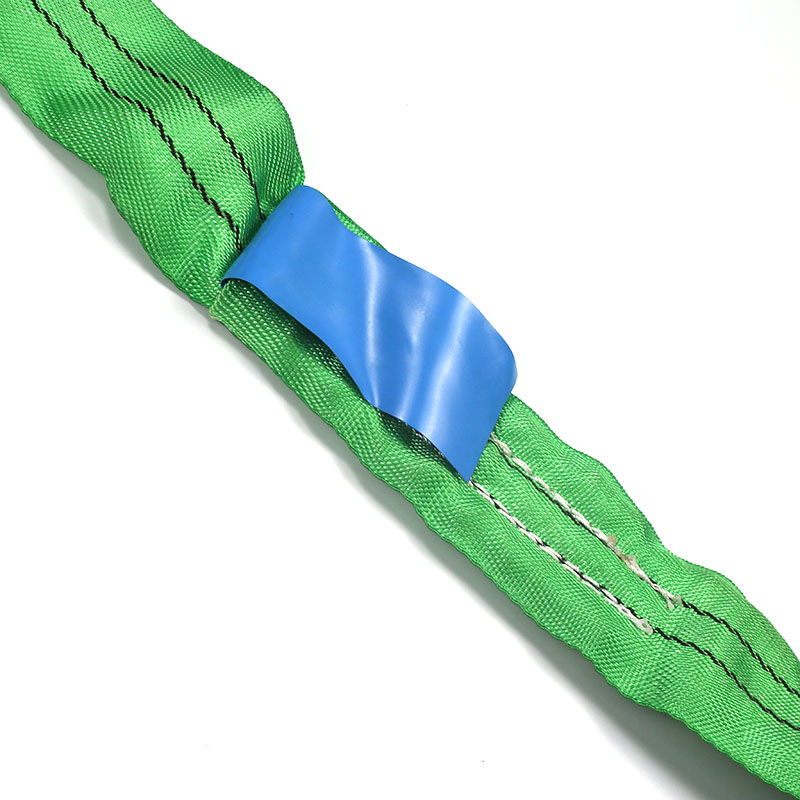 2-Ton Polyester Round Sling for Common Lifting and StockingThis 2-tonne polyester round sling is a common starting point for new customers, ideal for light to medium duties and easy to stock across lengths. Its lightweight, non-marring design makes it a flexible choice for everyday rigging tasks.View Product →
Ask for the fibre specification in writing. HMPE and polyester slings look similar at a glance, so the purchase order must state the fibre, the standard (EN 1492-2 or ASME B30.9), the WLL and the documented break force. The same engineering approach used in our rigging and lifting operations applies to the rest of the cargo control line, so a production facility that builds to a lifting standard tends to build better tie-downs too.
An HMPE round sling is an endless-loop lifting sling whose core consists of high-modulus polyethylene yarns inside a woven cover. It combines high strength, very low stretch and buoyancy, which makes it useful in rigging, marine and precision lifting.
Typical single-vertical-hitch WLLs range from 1 to 10 tonnes. The effective capacity changes with the hitch: a choker hitch lowers it to about 80%, while a near-vertical basket hitch can allow up to 200% of the label value.
For synthetic round slings manufactured to EN 1492-2 or ASME B30.9, the breaking force is at least five times the WLL. Always check the label; a sling without a readable label must be retired.
Yes. HMPE absorbs almost no moisture and floats, which is why marine crews choose it for submerged lifts. Rinse the sling after saltwater use and inspect the cover for abrasion or snags.
A round sling is a continuous loop with a round cross-section, offering more flexibility and easier choking. A flat webbing sling has a wider contact area that spreads pressure over the load. Both require edge protection on sharp corners.
Remove it when the cover is cut and exposes the core, when you see heat or chemical damage, knots, permanent kinks, or when the identification label is unreadable. When in doubt, cut the sling so nobody can use it again.
Choosing HMPE round slings ultimately comes down to four numbers and one habit: WLL, break force, safety factor and the inspection routine you keep. Match the sling to the hitch, protect its edges, read the label every time you rig it, and buy from a facility that can document what it ships. Heavy steel, precast panels, machinery or marine loads — a round sling will almost always beat chain on weight, handling and operator-friendly stiffness.
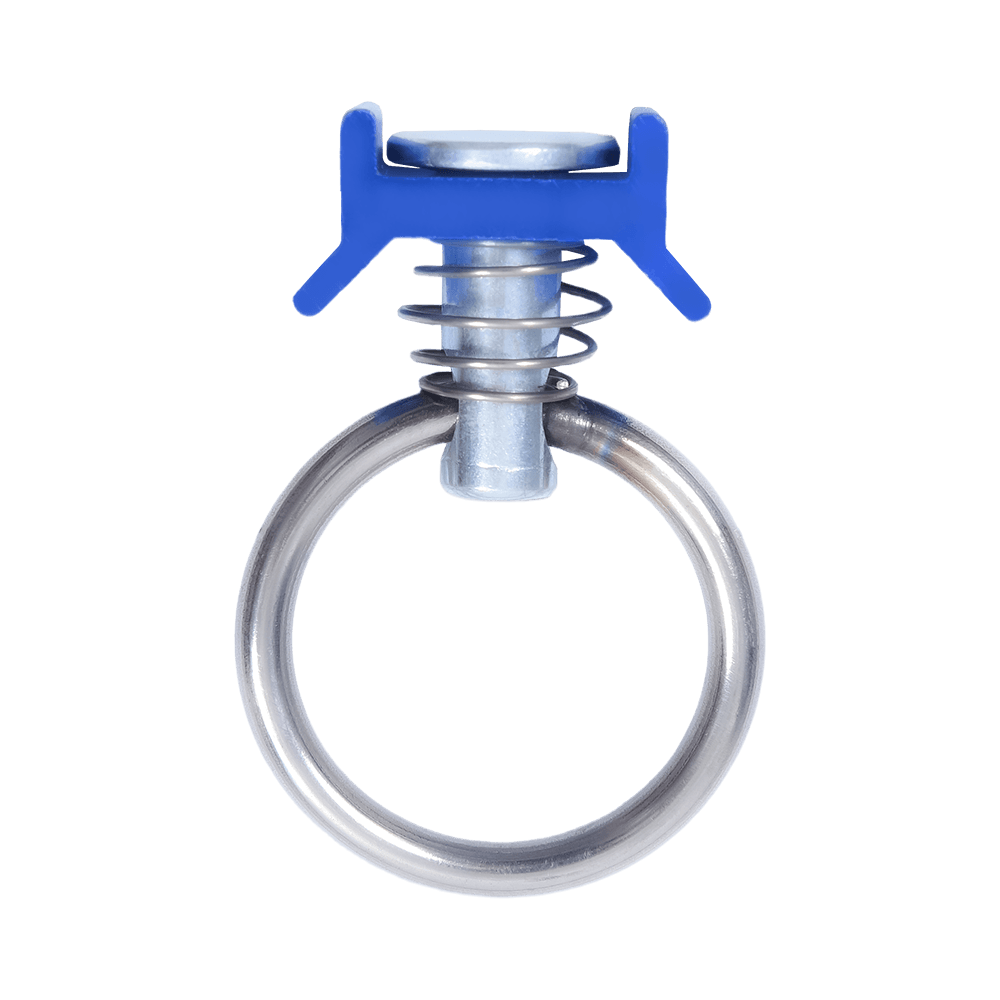

The company specialises in the field of logistics transportation,cargo control,lifting and hoisting products.


joe@forcerigging.com
+86-18650363763
No.469, Liansheng Road, Yinzhou District, Ningbo, Zhejiang Province, China.315111
Copyright © 2025 by Ningbo Force Auto Parts Co., Ltd. All Rights Reserved. China Ratchet Straps Manufacturers OEM/ODM Load Binding and Rigging Company


 English
 Español
 عربى
عربى 中文简体
中文简体