Ningbo Force Auto Parts Co., Ltd.
- joe@forcerigging.com
- +86-18650363763
Ningbo Force Auto Parts Co., Ltd.
A flatbed driver pulls into a rest area after a 400-mile run and spots a wire rope securing a steel coil that has gone slack. Instead of cutting the cable or re-terminating the assembly, they rotate a small metal body in the middle of the line. A dozen turns later, the cable sits drum-tight, and the load is secure in under a minute. That fitting is a turnbuckle — one of the oldest and most reliable tensioning devices used in cargo control, rigging, and construction.
Content
A turnbuckle is a mechanical tensioning device used to adjust the length or tension of ropes, cables, tie rods, and similar tensioning systems. It consists of a central metal frame with threaded holes at both ends, plus two end fittings — hooks, eyes, jaws, or threaded studs — that screw into the frame from opposite directions. Rotating the central body pulls the two fittings together or pushes them apart, producing a precise, adjustable force on the attached line.
Turnbuckles are specified by body type (open or closed), end-fitting configuration, material, thread size, and working load limit (WLL). They are manufactured in diameters from about 1/8 inch up to several inches, with load ratings ranging from a few hundred pounds to well over 10,000 pounds on common sizes.
The operating principle is opposite-hand threading. One end of the body is tapped with right-hand threads and the other with left-hand threads; the end fittings match accordingly. When the body rotates clockwise, both fittings move inward at the same time, shortening the assembly and increasing line tension. When it rotates counterclockwise, both fittings move outward, lengthening the assembly and reducing tension.
Because both ends move simultaneously, one full turn of the body delivers twice the take-up of a conventional single-threaded fastener, while keeping the connection centered and free of twisting. This is what makes a turnbuckle ideal for fine-tuning tension in applications where exact adjustment matters.
A standard turnbuckle has four main components: the body (frame), a left-hand threaded screw, a right-hand threaded screw, and two end fittings. Open-body turnbuckles allow visual inspection of thread engagement, while closed-body designs protect the threads from dust and moisture. The end-fitting configuration determines how the turnbuckle connects to the rest of your assembly.
| Type | Ends | Typical Application |
|---|---|---|
| Jaw & Jaw | Two clevis-style jaws with pins | Connecting to existing holes, lugs, or chain |
| Eye & Eye | Two closed eyes | Wire rope and cable terminations |
| Hook & Hook | Two hooks | Quick connect and disconnect in rigging |
| Jaw & Eye | One jaw, one eye | Mixed anchor points in structural bracing |
| Hook & Eye | One hook, one eye | Marine rigging and fence line tensioning |
In trucking and logistics, turnbuckles tension wire rope assemblies on flatbed trailers and secure cargo alongside tie-down straps and lashing hardware. In rigging and lifting applications, they adjust sling lengths, stabilize lifting frames, and tension guy lines. On construction sites they keep cable railings, structural tie rods, and temporary bracing at the correct tension, and in marine environments they maintain dock lines, lifelines, and sailboat standing rigging.
These figures reflect typical working load limits for common galvanized steel turnbuckle diameters. Always verify the exact WLL marked on the product or provided by the manufacturer before use. Stainless steel turnbuckles of the same diameter may have slightly different ratings, so check the specification sheet for the specific material grade.
Three checks will guide your selection. First, confirm the working load limit: the turnbuckle's WLL must exceed the maximum tension you expect in the assembly. Second, check thread size and take-up length: the threads must match your cable or rod terminals, and the body must offer enough travel to cover your adjustment range. Third, select the right end fittings — hooks suit quick connections, eyes suit permanent terminations, and jaws suit clevis-pin or shackle connections.
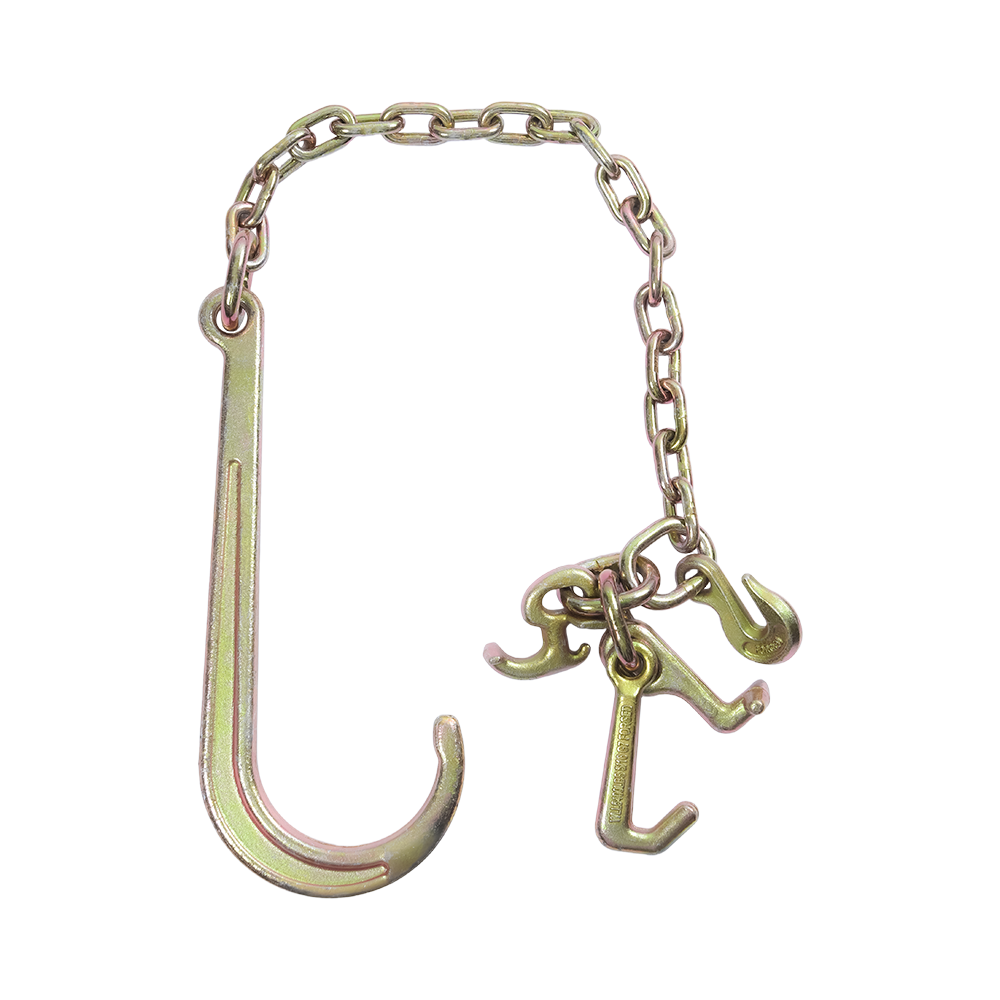 Custom Tensioner Turnbuckle with Multiple End FittingsThis steel turnbuckle offers adjustable tension for ropes, cables, or rods with eye, hook, or jaw ends. Its screw mechanism suits construction and marine use, and the selection checks above help match it to your load and thread requirements.View Product →
If your load-securement system also uses webbing, chains, or winches, choose fittings that integrate cleanly with the existing hardware, and confirm that thread engagement is at least equal to the thread diameter when the turnbuckle is under load.
Because turnbuckles often sit in outdoor and high-vibration environments, inspect them before every critical use. Remove a turnbuckle from service immediately if you find:
Keep threads lightly lubricated with machine oil, avoid side-loading the turnbuckle body, and never exceed the stated working load limit. In load-bearing rigging, follow the inspection criteria of the applicable standard, such as ASME B30.26 in North America.
A turnbuckle is used to adjust tension or length in ropes, cables, tie rods, and wire rope assemblies. Common uses include cargo securement, rigging, fencing, marine rigging, and structural bracing.
A turnbuckle uses opposite-hand threads on each end. Rotating the central body moves both end fittings inward or outward at the same time, so tension increases or decreases evenly.
A turnbuckle provides precise screw-type tensioning for cables and rigid rods, while a ratchet strap tensions webbing with a ratchet mechanism. Turnbuckles suit permanent or semi-permanent installations; ratchet straps are portable and fast.
Match the working load limit to the maximum load, verify that the thread size fits your cable or rod terminals, and confirm the body provides enough take-up travel for your adjustment range.
Yes. Turnbuckles are commonly used with wire rope and cable assemblies. Select eye or jaw end fittings that match your cable terminals and ensure the WLL exceeds the maximum load.
Galvanized carbon steel, stainless steel (grades 304 and 316), and hot-dip galvanized steel are the most common. Stainless steel is preferred for marine and corrosive environments; galvanized steel is a cost-effective general-purpose choice.
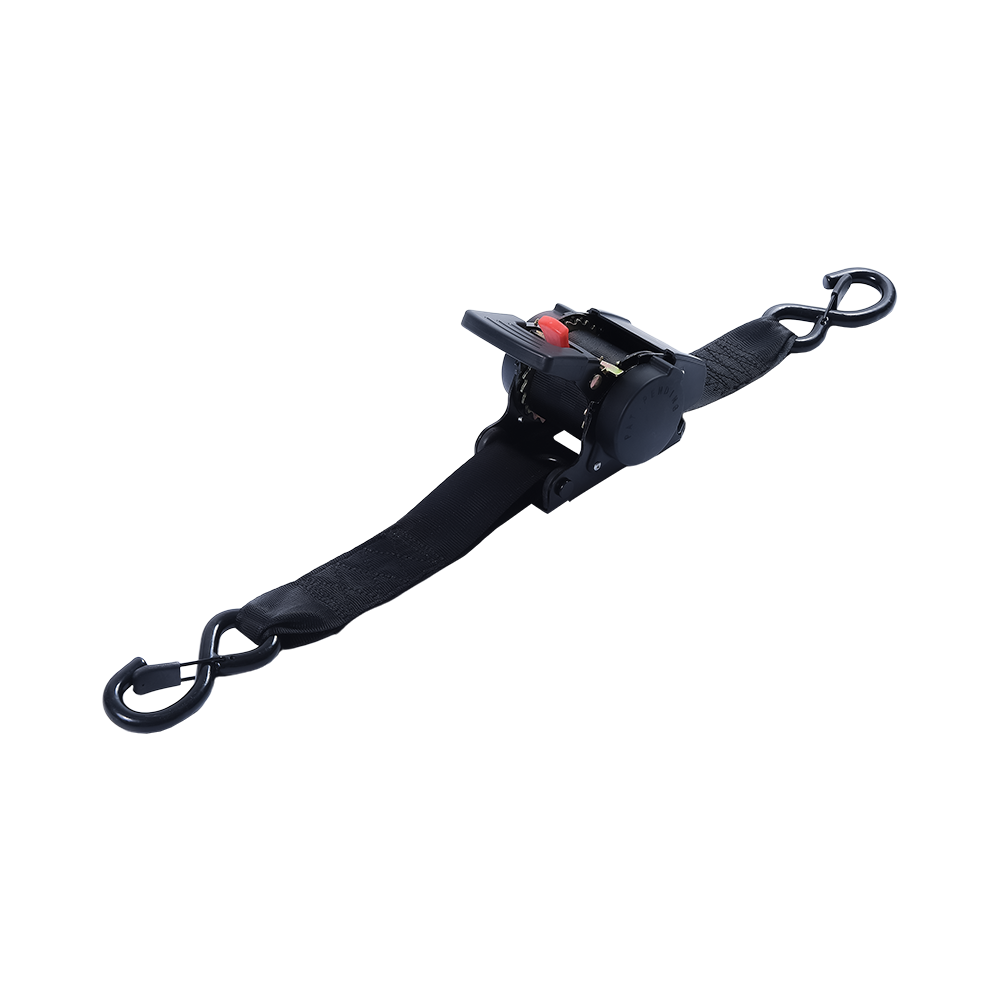
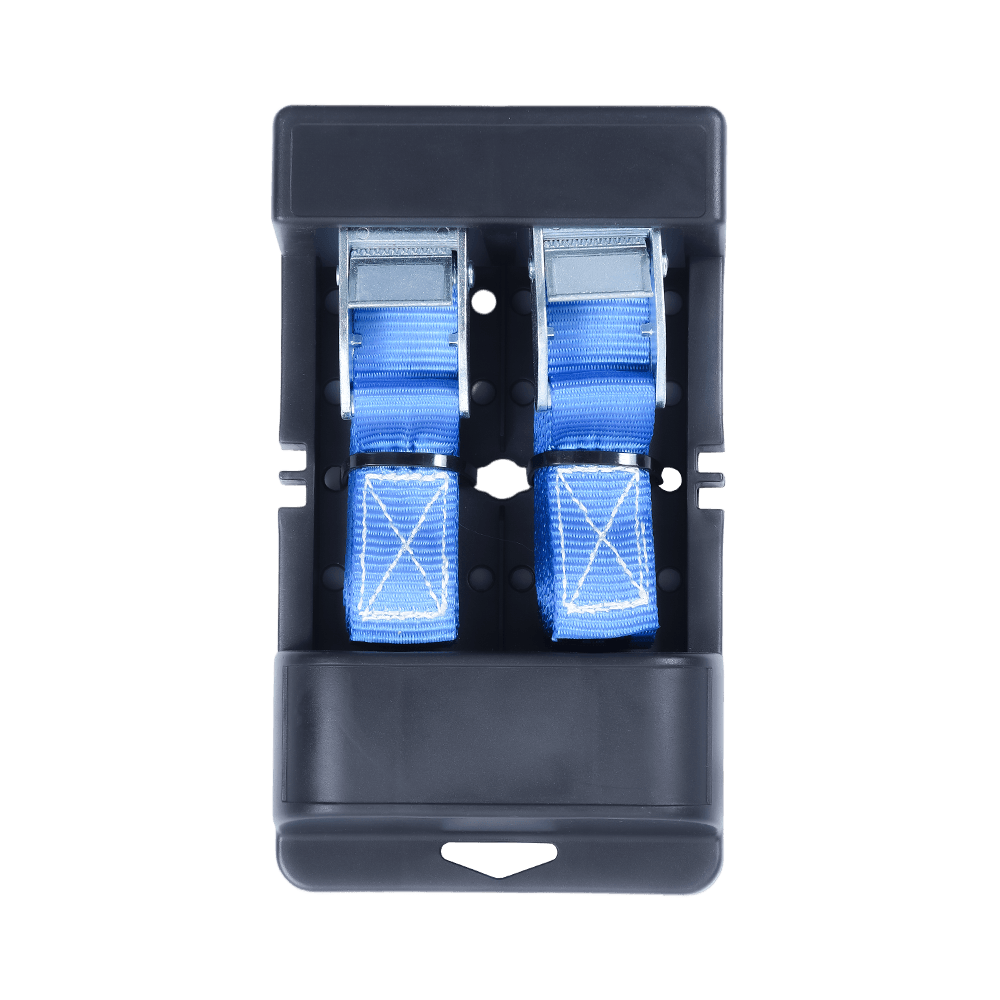

The company specialises in the field of logistics transportation,cargo control,lifting and hoisting products.


joe@forcerigging.com
+86-18650363763
No.469, Liansheng Road, Yinzhou District, Ningbo, Zhejiang Province, China.315111
Copyright © 2025 by Ningbo Force Auto Parts Co., Ltd. All Rights Reserved. China Ratchet Straps Manufacturers OEM/ODM Load Binding and Rigging Company


 English
 Español
 عربى
عربى 中文简体
中文简体