What Are Tie Down Straps and How Do They Work?
Tie down straps are a crucial component in securing cargo during transportation, ensuring safety, preventing damage, and complying with regulations. These straps are commonly used in trucking, moving, and securing large, heavy, or bulky items in vehicles such as trucks, trailers, and vans. In this article, we will explore what tie down straps are, how they work, and why they are essential for cargo security.
What Are Tie Down Straps?
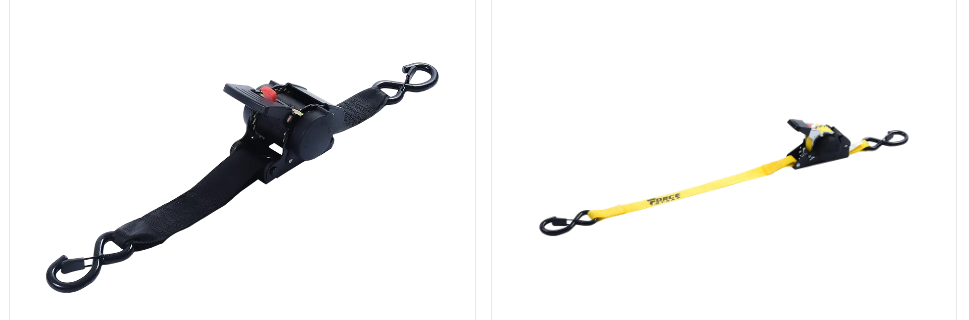
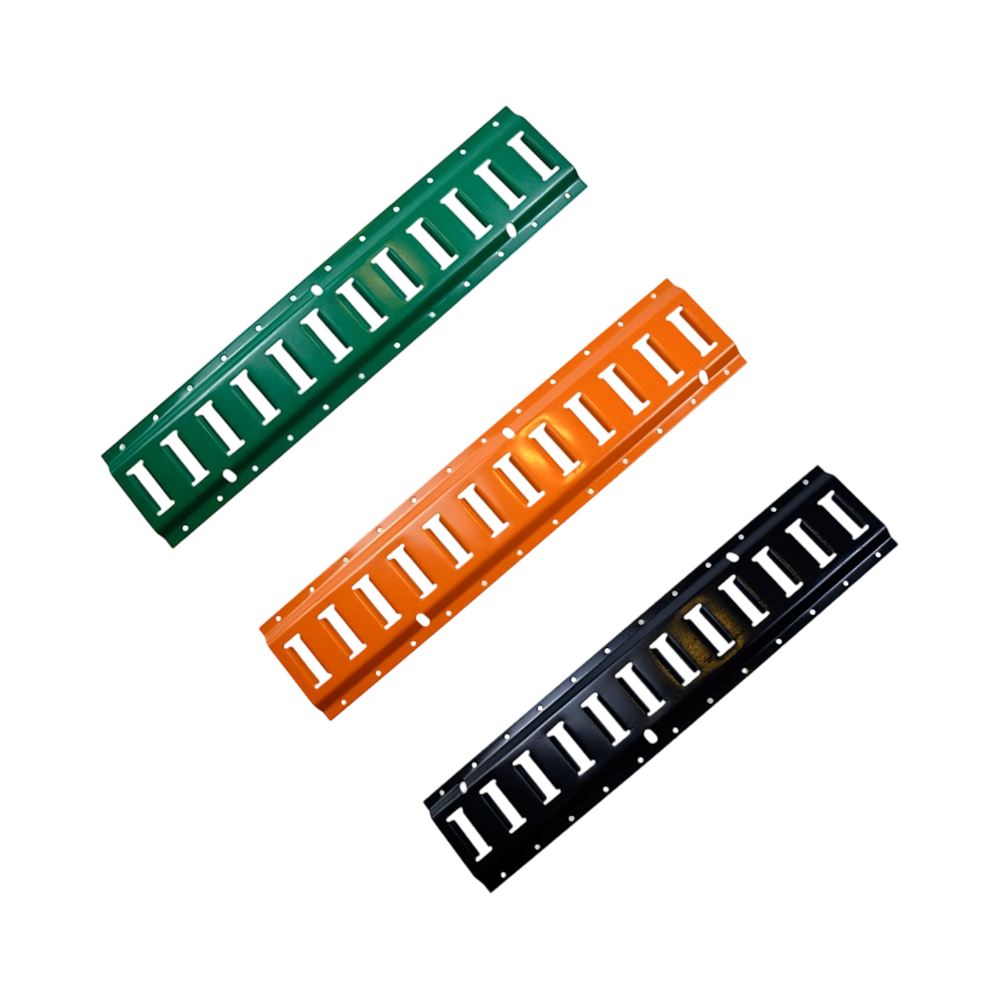
Tie down straps are durable straps designed to secure cargo, preventing it from shifting or moving during transport. They typically feature adjustable lengths and fastening mechanisms that allow them to be tightened securely around objects. Tie down straps come in various materials, lengths, and widths, allowing them to be tailored to the specific needs of the cargo and transport method. These straps are commonly used with vehicles equipped with anchor points, such as E-Tracks, D-rings, or other cargo restraint systems.
How Do Tie Down Straps Work?
Tie down straps work by applying tension to hold cargo securely in place. The process typically involves attaching the straps to anchor points on both the cargo and the vehicle. The strap is then tightened using a ratchet mechanism or cam buckle, depending on the type of strap used. Here’s how they work in practice:
- Attach the strap: One end of the strap is fixed to a secure anchor point on the vehicle or trailer. The other end is looped around or over the cargo, depending on its shape.
- Tighten the strap: Using a ratchet mechanism, cam buckle, or other tightening device, the strap is pulled tight, creating tension that holds the cargo firmly in place.
- Lock the strap: Once the desired tension is achieved, the strap is locked into place using the fastening mechanism. This prevents the strap from loosening or slipping during transit.
Types of Tie Down Straps
There are several types of tie down straps, each designed for specific applications. Choosing the right type of strap for your needs is crucial to ensuring that the cargo remains secure during transport. Below are some common types of tie down straps:
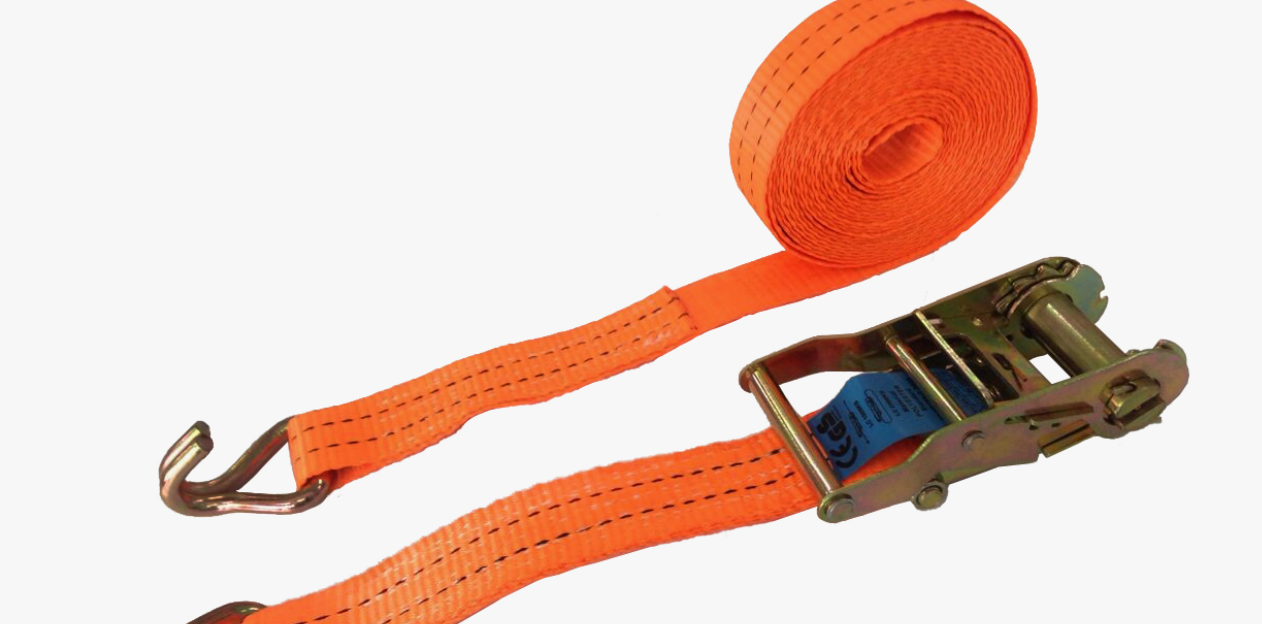
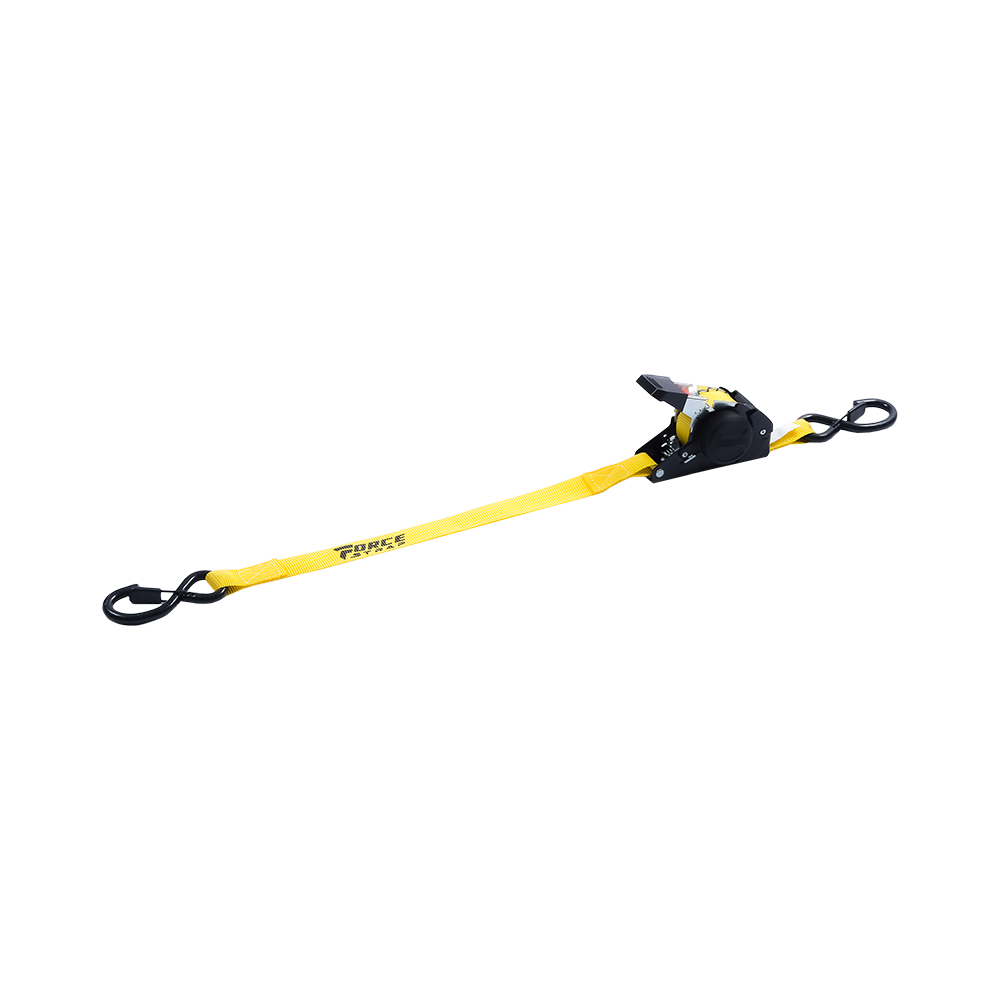
- Ratchet Straps: Ratchet straps are the most popular and secure type of tie down straps. They feature a ratcheting mechanism that allows for precise tensioning, ensuring that the strap stays tight throughout the journey. These straps are ideal for heavy loads.
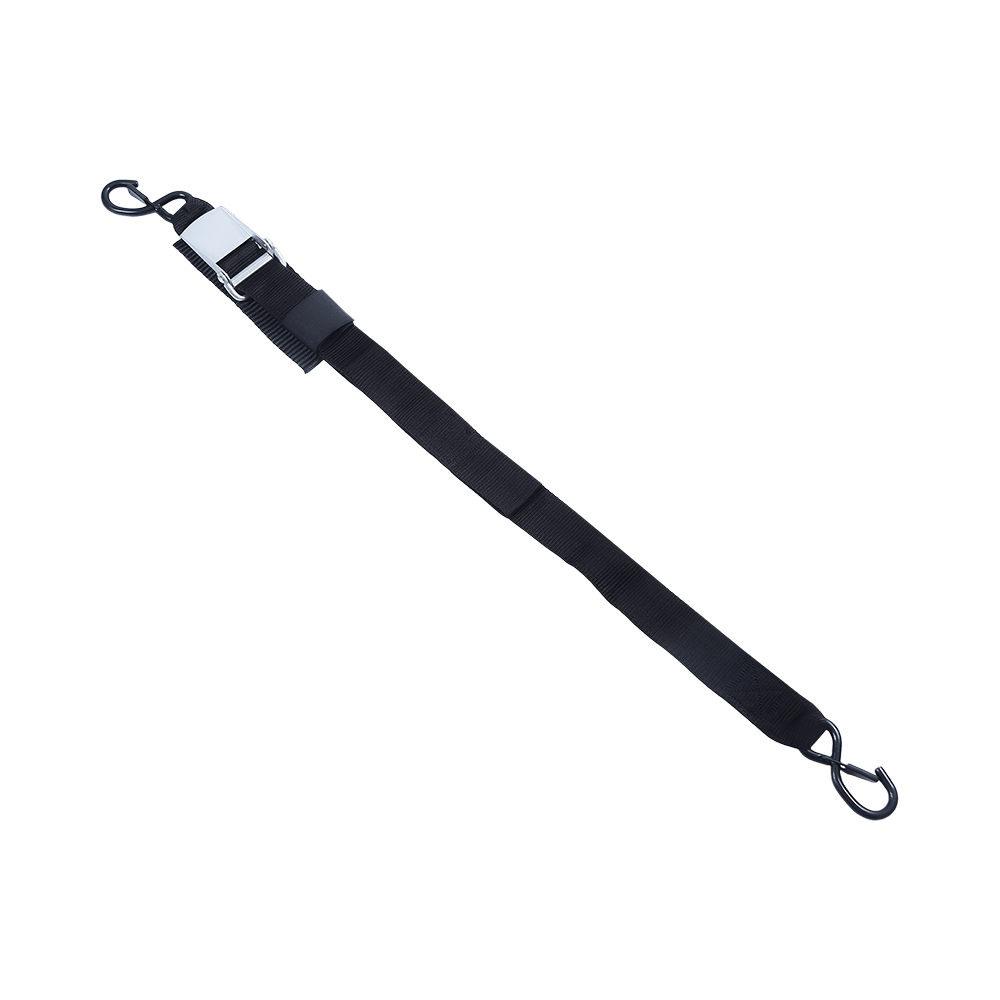
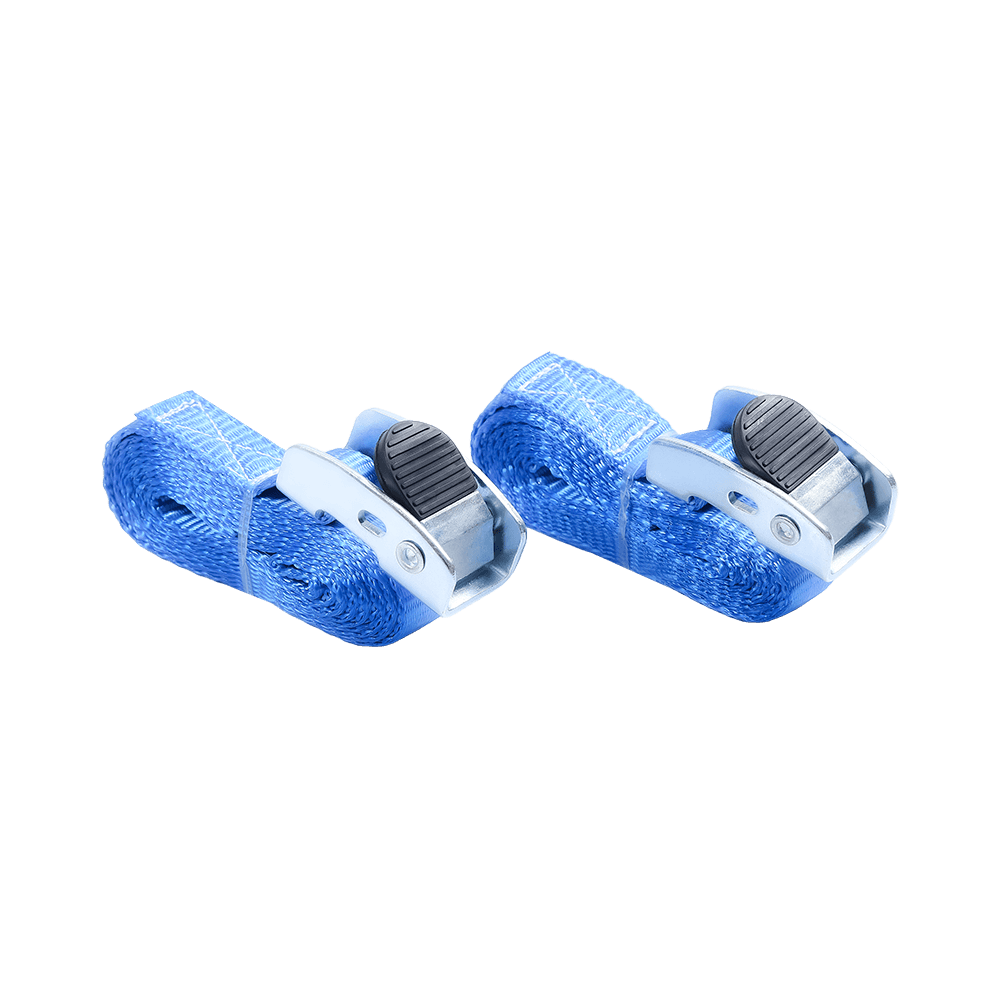
- Cam Buckle Straps: Cam buckle straps use a simple cam mechanism to tighten the strap. They are easier to use than ratchet straps and are suitable for lighter loads or situations where you need to adjust the tension quickly.
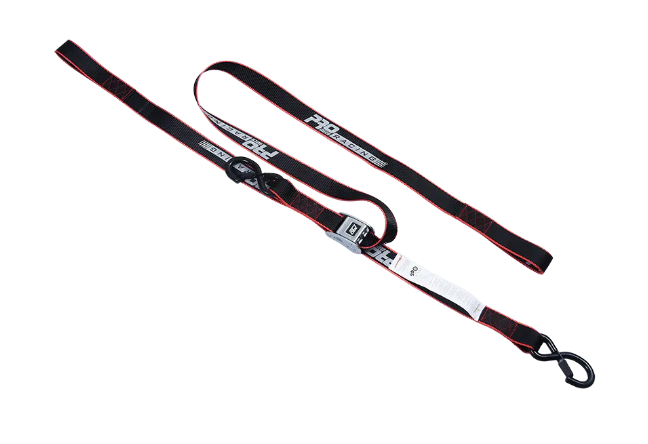
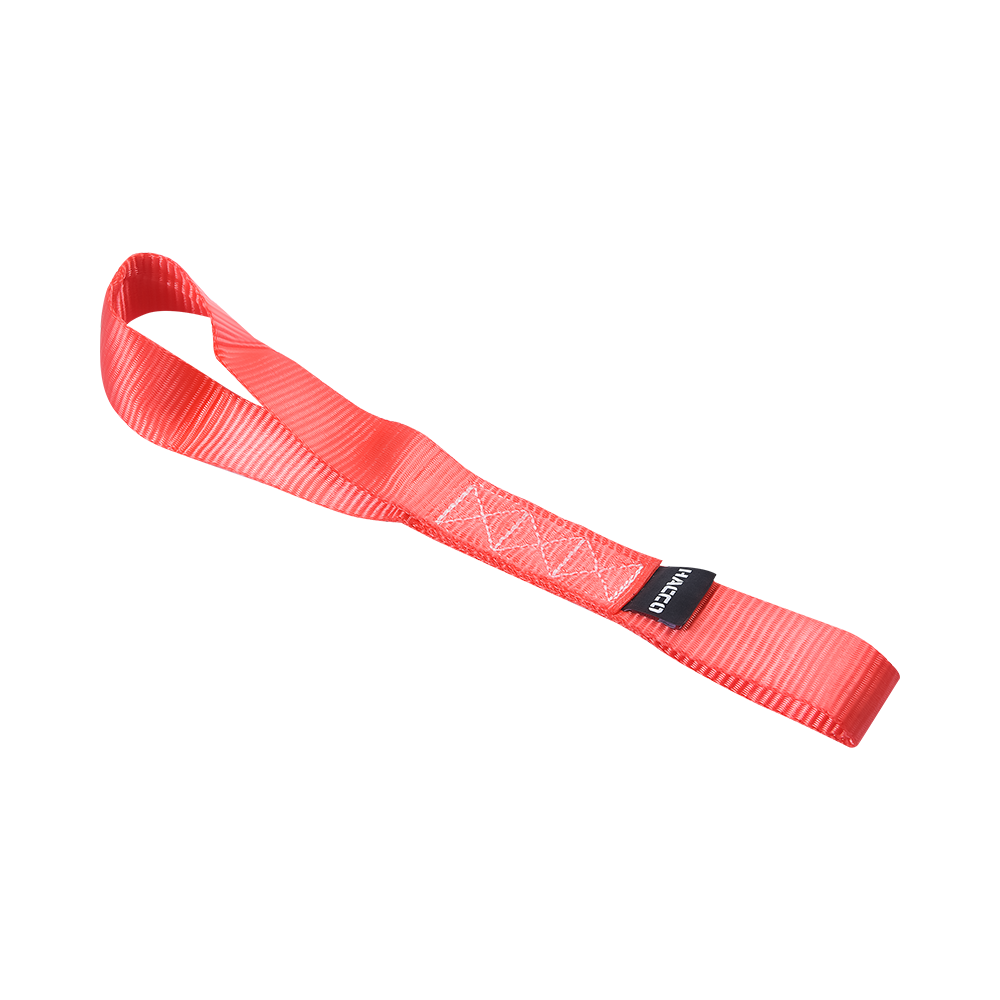
- Endless Straps: Endless straps are a looped strap that can be threaded through the cargo or anchor points to create a secure hold. They are commonly used for securing motorcycles, furniture, or other small to medium-sized items.
- Heavy-Duty Straps: These straps are designed to handle extra-heavy loads and are made from reinforced materials such as polyester webbing. They often feature larger hooks or D-rings for secure attachment.
Benefits of Using Tie Down Straps
Tie down straps offer several key benefits that make them an essential tool for transport and cargo security:
- Safety: By securing cargo in place, tie down straps reduce the risk of shifting items that could cause accidents or damage to other goods during transit.
- Prevention of Damage: Tie down straps help prevent cargo from shifting or bouncing, which can cause scratches, dents, or other damage to the goods or the vehicle.
- Efficiency: Properly secured cargo takes up less space and can be transported more efficiently, reducing the risk of delays and making the most of available space in the vehicle.
- Versatility: Tie down straps come in various sizes and strengths, making them suitable for a wide range of cargo types, from household items to industrial equipment.
How to Choose the Right Tie Down Strap
Choosing the right tie down strap is important to ensure that your cargo is secure during transport. Below are key factors to consider when selecting a tie down strap:
- Weight of Cargo: Ensure that the strap you choose can handle the weight of the cargo. For heavy-duty cargo, ratchet straps with higher weight ratings are recommended.
- Type of Vehicle: Consider the vehicle or trailer you'll be using the straps with. Different anchor points may require different types of straps or hooks.
- Length and Width: Choose a strap with the appropriate length and width to fit your cargo. Longer straps may be needed for larger loads, while wider straps may provide better distribution of pressure for heavier items.
Tie Down Straps Maintenance and Care
To extend the life of your tie down straps and ensure they continue to perform well, proper maintenance is key. Here are some tips for caring for your tie down straps:
- Inspect for Damage: Before using tie down straps, check for any signs of wear, fraying, or tears. Replace any straps that are damaged to avoid compromising the security of your cargo.
- Clean Regularly: After use, clean your straps to remove dirt, grease, or chemicals that may cause degradation over time. Wash them with mild soap and water, then allow them to air dry.
- Proper Storage: Store your tie down straps in a dry, cool place away from direct sunlight. Prolonged exposure to sunlight can weaken the material, causing it to deteriorate.
Frequently Asked Questions (FAQ)
1. How much weight can tie down straps handle?
The weight capacity of a tie down strap depends on its material, width, and design. Standard straps can handle anywhere from 500 lbs to 10,000 lbs or more, with heavy-duty ratchet straps being the most durable.
2. Can tie down straps be reused?
Yes, tie down straps can be reused multiple times, as long as they remain in good condition. Always inspect them for signs of wear before reuse.
3. What is the difference between ratchet straps and cam buckle straps?
Ratchet straps provide higher tension and are ideal for heavy-duty loads, while cam buckle straps are easier to use and best for lighter loads.
4. How do I prevent tie down straps from loosening?
Ensure the straps are tightly secured and that the ratchet or cam buckle mechanism is properly locked. Recheck the tension periodically during transport.
Why Are Tie Down Straps Essential for Cargo Safety?
Tie down straps are one of the most important tools for ensuring cargo safety during transportation. These straps are designed to secure items in place, preventing them from shifting, tipping, or falling during transit. Whether you are transporting heavy machinery, furniture, or recreational vehicles, tie down straps play a crucial role in minimizing the risk of accidents and damage. In this article, we will discuss why tie down straps are essential for cargo safety and the benefits they provide.
The Role of Tie Down Straps in Securing Cargo
Tie down straps work by applying tension to hold cargo in place, preventing it from moving during transport. Without these straps, cargo could shift or become unstable, leading to damage or even causing accidents on the road. Here's a closer look at how tie down straps contribute to cargo safety:
- Prevents Shifting: One of the primary functions of tie down straps is to keep cargo secure in its designated space. This prevents the cargo from shifting around inside the vehicle, which could damage the goods or make the vehicle harder to control.
- Reduces Risk of Accidents: Unsecured cargo can shift during transit, potentially blocking the driver’s view or causing a vehicle imbalance. Tie down straps keep everything in place, reducing the likelihood of dangerous situations on the road.
- Prevents Damage: By securing the cargo, tie down straps help to avoid scratches, dents, or other physical damage that might occur if the cargo were to move around. This is especially important for sensitive or fragile items.
Why Cargo Safety Should Be a Top Priority
Cargo safety is not just about protecting your goods; it's also about protecting others on the road. Accidents caused by unsecured cargo can lead to serious injuries, legal liabilities, and financial losses. Here's why cargo safety is critical:
- Protecting Lives: Loose cargo can create hazardous conditions for drivers, passengers, and pedestrians. By securing cargo properly, you reduce the risk of accidents and ensure everyone’s safety on the road.
- Legal Compliance: Many regions have laws and regulations in place that require cargo to be properly secured. Failure to comply can result in fines, penalties, and other legal consequences.
- Financial Impact: Damaged goods, lost cargo, or accidents caused by unsecured items can lead to significant financial losses, including repair costs, insurance claims, and compensation for damages.
Types of Tie Down Straps for Cargo Safety
There are several types of tie down straps designed for different applications. Choosing the right one depends on the type of cargo and the specific requirements of your transportation method. Here are some common types of tie down straps:
- Ratchet Straps: Known for their strength and adjustability, ratchet straps are ideal for securing heavy loads. The ratcheting mechanism allows for precise tensioning, ensuring that the cargo remains tightly secured during transit.
- Cam Buckle Straps: These straps are easier to use than ratchet straps and are best suited for lighter cargo. They feature a simple cam mechanism for easy tightening.
- Endless Straps: Endless straps are versatile and can be used in various applications. They are particularly useful when securing motorcycles or small equipment where a looped configuration is required.
- Heavy Duty Straps: These straps are designed for extra-heavy loads and are made from reinforced materials like polyester. They are suitable for industrial and commercial use, where high strength and durability are needed.
To maximize the safety and effectiveness of tie down straps, proper usage is key. Here are some best practices for using tie down straps:
- Inspect the Straps: Before use, check the straps for any signs of wear or damage. Frayed or broken straps should be replaced to ensure safety.
- Use the Correct Strap for the Load: Choose a tie down strap with an appropriate weight rating for your cargo. Always ensure that the strap is strong enough to handle the load.
- Attach to Secure Anchor Points: Always attach the straps to sturdy anchor points on both the cargo and the vehicle. Ensure the anchor points are rated to handle the load weight.
- Tighten the Straps Properly: Make sure the straps are tightened sufficiently but not overly tight, as this can damage both the cargo and the straps. Use a ratchet mechanism or cam buckle for optimal tension.
Table: Different Types of Tie Down Straps
Comparison of Tie Down Strap Types
| Type |
Best For |
Load Capacity |
Features |
| Ratchet Straps |
Heavy Loads |
Up to 10,000 lbs |
High tension, secure hold |
| Cam Buckle Straps |
Light to Medium Loads |
Up to 2,500 lbs |
Quick adjustment, easy to use |
| Endless Straps |
Motorcycles, Furniture |
Up to 5,000 lbs |
Loop configuration for versatile use |
Conclusion
Tie down straps are essential for ensuring the safety of both your cargo and others on the road. Whether securing heavy machinery or household items, these straps help prevent accidents, reduce damage, and ensure that goods arrive at their destination safely. By using the correct type of strap and following best practices for usage, you can effectively secure your cargo and minimize the risk of transportation-related issues.
How to Choose the Right Tie Down Straps for Your Vehicle?
Choosing the right tie down straps for your vehicle is essential to ensure the safety of your cargo. A poorly chosen strap can result in damage to your goods or cause accidents during transportation. In this article, we’ll explore how to choose the right tie down straps, the factors you should consider, and how to use them effectively to keep your load secure.
Key Considerations When Choosing Tie Down Straps
There are several factors that you need to take into account when selecting tie down straps for your vehicle. These factors will ensure that you choose straps that are strong, durable, and appropriate for your cargo.
- Load Weight: The weight of the cargo is the first thing to consider when choosing tie down straps. Straps come in different weight ratings, typically ranging from 500 lbs to 10,000 lbs. Always choose a strap with a higher weight capacity than the weight of your cargo to ensure safety.
- Material: Most tie down straps are made from polyester, which is durable, weather-resistant, and offers good tensile strength. Ensure the material is resistant to UV rays and moisture to prevent weakening over time, especially if you’re transporting goods in outdoor conditions.
- Strap Length: The length of the strap is crucial for ensuring it fits the load and can be properly secured. Measure your load and choose a strap long enough to accommodate it, allowing for enough slack to attach it to the anchor points.
- Strap Width: The width of the strap affects its ability to distribute the load evenly. A wider strap provides better load distribution, especially when securing fragile or heavy items.
Types of Tie Down Straps for Different Needs
There are several types of tie down straps designed for specific uses. Here are the most common types:
- Ratchet Straps: These straps are ideal for heavy-duty loads because they offer superior tension and hold. Ratchet straps have a ratcheting mechanism that allows you to apply more tension to secure the load tightly.
- Cam Buckle Straps: Best for lighter loads, cam buckle straps are easy to use and adjust. These are ideal for securing cargo that doesn't require the extreme tension of ratchet straps.
- Endless Straps: These straps are versatile and can be used for a variety of applications, including securing motorcycles, furniture, and equipment. They are best for situations where the strap needs to loop around the load multiple times.
- Heavy Duty Straps: Designed for the toughest loads, heavy-duty straps can withstand extreme pressure and weight. They are typically used for industrial or commercial purposes.
How to Properly Use Tie Down Straps
To ensure that your cargo is secured safely, it’s important to use tie down straps correctly. Here are some essential tips:
- Inspect Straps Before Use: Check your straps for any signs of wear, tears, or damage before using them. Damaged straps should be replaced immediately.
- Use Appropriate Anchor Points: Ensure that the anchor points on your vehicle and cargo are strong and capable of holding the load. Attach the straps to secure points, not just any available area.
- Tighten Properly: Tighten the straps sufficiently to secure the cargo, but be cautious not to overtighten, as this could cause damage to the cargo or the strap itself. Use ratchet straps for maximum tension control.
- Double-Check the Straps: After securing the load, double-check the straps to ensure they are properly tightened and not loose. Check periodically during transport to maintain safety.
Table: Comparison of Tie Down Straps for Different Needs
Comparison of Tie Down Strap Types
| Type |
Best For |
Load Capacity |
Features |
| Ratchet Straps |
Heavy Loads |
Up to 10,000 lbs |
High tension and secure hold |
| Cam Buckle Straps |
Medium Loads |
Up to 3,000 lbs |
Easy to use and adjust |
| Endless Straps |
Versatile Loads |
Up to 5,000 lbs |
Versatile for different configurations |
Choosing the right tie down straps for your vehicle is crucial for ensuring the safety and security of your cargo. By considering factors such as load capacity, material, strap length, and width, you can select the best straps for your needs. Always follow best practices for securing loads to avoid damage and accidents on the road.
How Do Tie Down Straps Prevent Damage During Transport?
Tie down straps are essential tools in the transportation industry for securing cargo and preventing damage during transit. They help keep items stable and in place, reducing the risk of shifting or movement that could lead to accidents or product damage. In this article, we will explore how tie down straps function to prevent damage and provide tips on how to use them effectively to ensure your cargo arrives safely.
How Tie Down Straps Work to Prevent Damage
Tie down straps work by applying tension to secure cargo and keep it in place during transport. When a load is not secured properly, it can shift, fall, or even cause damage to the vehicle or other goods being transported. Here's how tie down straps prevent these issues:
- Apply Tension to Prevent Shifting: Tie down straps, especially ratchet straps, can be tightened to apply tension. This tension prevents the cargo from shifting, reducing the risk of collisions or damage caused by movement within the transport vehicle.
- Distribute Pressure Evenly: By spreading the load across the straps, tie down straps ensure that the pressure is evenly distributed. This prevents concentrated pressure on any one area, reducing the risk of crushing or deforming fragile items.
- Prevent Cargo from Falling: By securely fastening the cargo to anchor points in the vehicle, tie down straps ensure that it does not move or fall out during transit. This is especially important for tall or unstable loads.
- Protect Against Vibration: Cargo that is not properly secured can vibrate or bounce during transportation, especially on rough roads. Tie down straps help reduce these vibrations and prevent the items from being damaged due to excessive movement.
Types of Tie Down Straps for Different Applications
Different types of tie down straps are suitable for securing different kinds of cargo. Choosing the right one ensures that your cargo remains safe and stable throughout transportation. Below are the most common types of tie down straps:
- Ratchet Straps: These straps are ideal for heavy-duty cargo because of their ability to apply high levels of tension. They are particularly useful for large machinery, vehicles, or other heavy loads.
- Cam Buckle Straps: These are easier to adjust and are best for lighter loads that do not require extreme tension. They are suitable for securing furniture, appliances, or boxes.
- Endless Straps: These are versatile straps that can be used to tie down a wide range of cargo. They are particularly useful for securing equipment or items of varying sizes.
- Heavy Duty Straps: Specifically designed for industrial or commercial purposes, these straps are built to handle extreme weights and provide superior security for large, heavy cargo.
How to Use Tie Down Straps Effectively
Using tie down straps properly is crucial to ensuring cargo safety and preventing damage. Here are some best practices to follow:
- Check the Strap Capacity: Always ensure that the strap you are using can handle the weight of your cargo. Refer to the manufacturer's weight capacity guidelines for each strap type.
- Use Multiple Straps: For larger or heavier loads, it’s important to use multiple straps to distribute the tension evenly. Using more than one strap ensures that the cargo remains stable during transport.
- Attach to Strong Anchor Points: Make sure the anchor points in the vehicle are strong enough to support the tension. Avoid attaching straps to weak or unreliable points, as this can cause the load to shift.
- Do Not Over-tighten: While it's important to secure the cargo tightly, over-tightening the straps can cause damage to the goods. Tighten just enough to keep the cargo stable without risking deformation.
- Check Regularly During Transport: Periodically check the straps during transit to ensure they remain tight and secure. If any straps become loose, stop and adjust them immediately.
Table: Comparison of Different Types of Tie Down Straps
Comparison of Tie Down Strap Types
| Type |
Best For |
Load Capacity |
Features |
| Ratchet Straps |
Heavy Loads |
Up to 10,000 lbs |
High tension and secure hold |
| Cam Buckle Straps |
Medium Loads |
Up to 3,000 lbs |
Easy to use and adjust |
| Endless Straps |
Versatile Loads |
Up to 5,000 lbs |
Flexible and adjustable for different load sizes |
Conclusion
Tie down straps play a crucial role in preventing cargo damage during transport by securing the load and keeping it stable. By using the correct type of strap for your cargo and following best practices for securing it, you can minimize the risk of damage and ensure the safety of your goods on the road.
How Do You Maintain and Store Tie Down Straps for Long-Term Use?
Tie down straps are essential for securing cargo during transport, and to ensure their effectiveness and longevity, proper maintenance and storage are critical. In this article, we'll explore how to maintain and store tie down straps to keep them in optimal condition for long-term use, preventing damage and ensuring they function properly when needed.
Why Proper Maintenance of Tie Down Straps Matters
Proper maintenance of tie down straps is important because damaged or worn straps can compromise the safety of the cargo during transit. Over time, factors such as exposure to UV rays, harsh weather conditions, and improper handling can weaken the straps, reducing their effectiveness. Regular inspection and proper care will help extend the life of the straps and maintain their strength.
How to Inspect Tie Down Straps for Damage
Before using your tie down straps, it's essential to inspect them thoroughly for signs of wear or damage. Here are some key points to check:
- Check for fraying or cuts in the strap material. These can weaken the strap and lead to failure during use.
- Inspect the stitching, especially around the hooks and buckles. Any loose or damaged stitching can compromise the strength of the strap.
- Examine the metal parts of the strap, including hooks and ratchets. Look for signs of rust, corrosion, or bending that could weaken the tie down system.
- Check for any signs of mold or mildew, especially if the straps have been exposed to moisture.
Cleaning and Maintaining Tie Down Straps
To maintain your tie down straps and prevent wear and tear, cleaning them regularly is essential. Follow these steps to clean and maintain your straps:
- Clean the straps with mild soap and water. Use a soft brush or cloth to remove dirt and debris.
- Avoid using harsh chemicals, bleach, or abrasive cleaners, as they can damage the material of the strap.
- After cleaning, allow the straps to air dry completely before storing them. Do not machine dry or expose them to direct heat sources such as radiators or dryers.
- For metal parts (such as hooks), check for rust and corrosion. If necessary, clean them with a wire brush and lubricate with a light oil to prevent rust.
How to Store Tie Down Straps for Longevity
Proper storage is equally important to ensure that tie down straps remain in good condition for long-term use. Here are some tips for storing your straps:
- Store straps in a cool, dry place away from direct sunlight. UV rays can degrade the material and cause the straps to weaken over time.
- Avoid storing straps near chemicals, oils, or solvents, as they can damage the fabric and affect the strength of the straps.
- Hang straps on a rack or reel to prevent them from becoming tangled or twisted. If you must store them in a box or container, make sure they are coiled neatly to avoid kinks and bends.
- Keep straps away from sharp edges or abrasive surfaces that can cause them to fray or cut.
Table: Comparison of Tie Down Strap Maintenance Tips
Comparison of Tie Down Strap Maintenance and Storage Tips
| Action |
Purpose |
Tips |
| Regular Inspection |
Identify damage before use |
Check for fraying, cuts, and rust on metal parts. |
| Cleaning |
Maintain strap quality and prevent damage |
Use mild soap and air dry. Avoid harsh chemicals. |
| Storage |
Ensure longevity and prevent wear |
Store in a cool, dry place, away from sunlight and chemicals. |
Conclusion
Maintaining and storing your tie down straps properly is essential for ensuring their longevity and effectiveness. By following the recommended maintenance practices, regularly inspecting the straps for damage, and storing them in the right conditions, you can prolong the life of your tie down straps and ensure safe and reliable use during every transport.
What Are the Key Benefits of Using Tie Down Straps Over Other Securing Methods?
When it comes to securing cargo during transport, tie down straps are one of the most reliable and widely used methods. While other securing methods like ropes, chains, and bungee cords also exist, tie down straps offer several advantages that make them the go-to option for safely securing goods. In this article, we will explore the key benefits of using tie down straps over other securing methods.
Why Choose Tie Down Straps?
Tie down straps are designed to securely hold cargo in place while allowing for flexibility and ease of use. Unlike other securing methods, such as ropes or chains, they offer several unique benefits that enhance safety and convenience.
Benefits of Tie Down Straps
- Strength and Durability: Tie down straps are made of high-strength materials such as polyester or nylon, which provide superior durability and resistance to wear and tear. Unlike ropes, which can fray over time, tie down straps retain their strength even under heavy loads.
- Easy to Use: Tie down straps are incredibly user-friendly. They often feature quick-release buckles or ratchets, which allow for fast and efficient tightening and loosening of the straps. This ease of use saves time and reduces the risk of improper securing.
- Adjustability: Most tie down straps are adjustable, meaning they can be customized to fit different load sizes. This flexibility makes them suitable for a wide variety of cargo types, from small boxes to large machinery.
- Secure Hold: When tightened properly, tie down straps provide a secure hold that prevents shifting or sliding of cargo during transit. This is especially important when transporting goods over long distances or on rough terrain.
- Prevention of Damage: The soft, fabric-like material of tie down straps helps distribute the pressure more evenly across the load, reducing the risk of damage to both the cargo and the vehicle. This is in contrast to chains, which can cause dents or scratches on sensitive cargo.
- Weather Resistance: Tie down straps are often treated to resist UV rays, mildew, and moisture. This makes them more suitable for outdoor use compared to ropes, which can degrade quickly in harsh weather conditions.
How Tie Down Straps Compare to Other Securing Methods
While there are several other methods to secure cargo, such as ropes, chains, and bungee cords, tie down straps outperform them in key areas. Below is a comparison table to highlight these differences.
Comparison of Tie Down Straps and Other Securing Methods
| Feature |
Tie Down Straps |
Ropes |
Chains |
Bungee Cords |
| Strength |
High strength, can support heavy loads |
Varies, but can stretch and weaken |
Very strong, but can damage cargo |
Low strength, not suitable for heavy cargo |
| Ease of Use |
Very easy to use with buckles or ratchets |
Can be difficult to tie securely |
Can be time-consuming to adjust |
Quick but lacks holding power |
| Durability |
Very durable, resistant to wear |
Can fray or stretch over time |
Can rust or corrode |
Degrades quickly with UV exposure |
Conclusion
Tie down straps are an essential tool for securing cargo during transport. They offer significant benefits over other securing methods, including strength, durability, ease of use, and the ability to prevent damage to cargo. Whether you're securing a small load or large machinery, tie down straps provide the reliability and versatility needed for safe and secure transport.





 English
 Español
 عربى
عربى 中文简体
中文简体