Ningbo Force Auto Parts Co., Ltd.
- joe@forcerigging.com
- +86-18650363763
Ningbo Force Auto Parts Co., Ltd.
Content
Cargo ratchet straps are heavy-duty securing tools used to safely fasten cargo during transportation. They consist of a ratchet mechanism, durable webbing, and hooks or other attachment points, which allow you to securely tie down your cargo in a vehicle or trailer. These straps are essential for preventing load shifting and ensuring that goods reach their destination without damage.
Cargo ratchet straps operate through a mechanical ratchet system that allows you to apply tension to the webbing, ensuring that the cargo stays securely in place during transit. The ratchet mechanism works by tightening the strap and locking it into place to prevent any loosening during transportation. Here's a basic overview of how the mechanism works:
Cargo ratchet straps are crucial for ensuring the safety of both the cargo and the people involved in its transportation. By applying consistent tension, they reduce the risk of load shifting or accidental damage during travel. Without proper securing mechanisms like these, items can move inside a vehicle or trailer, potentially causing accidents or damage. Here's why they are indispensable:
Cargo ratchet straps come in a variety of styles, each suited for different types of loads. The main differences are in the strength of the webbing, the length of the strap, and the type of attachment hooks. Below are some common types of cargo ratchet straps:
| Type | Strength | Typical Use |
| Standard Ratchet Straps | Up to 10,000 lbs | Light to medium-duty cargo, motorcycles, and furniture |
| Heavy Duty Ratchet Straps | Over 10,000 lbs | Large machinery, construction materials, or large vehicles |
| Reversible Ratchet Straps | Varies | Flexible, suitable for both securing and lifting |
To ensure cargo is safely secured and avoid potential issues during transport, it's important to follow best practices for using cargo ratchet straps:
Cargo ratchet straps are an essential tool for ensuring the safe transport of goods. Their ability to apply high tension and secure cargo firmly makes them indispensable for freight companies, truckers, and anyone who needs to move heavy or delicate items. By understanding the types of straps available, their usage, and best practices for securing cargo, you can protect both your cargo and your business.

Cargo ratchet straps are essential tools for securing cargo during transportation. They offer a highly effective and reliable method for keeping goods in place and preventing shifting, which can lead to accidents, product damage, and even loss. In this article, we will explore the reasons why cargo ratchet straps are an indispensable part of any freight or transport operation.
Cargo ratchet straps offer a range of benefits over other securing methods such as ropes or bungee cords. These include:
One of the most important advantages of using cargo ratchet straps is their ability to prevent damage to cargo during transport. Here's how they work:
Choosing the right cargo ratchet straps depends on several factors, such as the type of cargo, the weight, and the environment in which the straps will be used. Here are some key points to consider:
Cargo ratchet straps come in a variety of types, each suited for specific needs. Below are the most common types:
| Type | Weight Capacity | Best Use |
| Standard Ratchet Straps | Up to 10,000 lbs | General cargo, light-duty use |
| Heavy Duty Ratchet Straps | Over 10,000 lbs | Heavy equipment, machinery |
| Cam Buckle Ratchet Straps | Up to 5,000 lbs | Light and medium cargo, delicate items |
Cargo ratchet straps are essential tools for ensuring the safe transport of goods. Their high tension control, strength, and versatility make them an ideal choice for securing cargo during transit. By selecting the right type and ensuring proper usage, you can significantly reduce the risk of damage to your cargo and enhance safety on the road.
Cargo ratchet straps are an essential part of securing loads during transportation. Their benefits extend beyond just holding cargo in place; they play a critical role in ensuring safety, preventing damage, and enhancing efficiency in the transportation process. In this article, we will explore the key advantages of using cargo ratchet straps, making them a must-have for any transport operation.
One of the main reasons cargo ratchet straps are preferred over traditional ropes or bungee cords is their superior tensioning ability. The ratchet mechanism allows users to tighten the straps to a precise level, ensuring a secure hold on the cargo. This high tension control prevents cargo from shifting or becoming loose during transport, reducing the risk of accidents and damage.
Cargo ratchet straps are made from high-quality materials, such as polyester or nylon webbing, which are designed to withstand heavy loads and harsh environmental conditions. These materials are resistant to wear, UV rays, and moisture, ensuring the straps maintain their strength over time. This durability makes them ideal for securing heavy or valuable cargo during long-distance transport.
Another advantage of using cargo ratchet straps is the ease of use. The ratchet mechanism allows for quick tightening and loosening of the straps, saving valuable time during loading and unloading. Unlike ropes that require knots and tying, ratchet straps are simple to use and can be adjusted quickly without the need for special skills or tools.
One of the most important benefits of cargo ratchet straps is their ability to prevent damage to goods during transit. By securing the load tightly and evenly, ratchet straps ensure that the cargo doesn't shift, roll, or fall. This prevents items from being scratched, crushed, or otherwise damaged. The even distribution of tension across the cargo also reduces the pressure on any single point, providing protection for delicate or fragile items.
Cargo ratchet straps are versatile and can be used to secure a wide range of cargo types, from small items like furniture and electronics to large, heavy equipment such as machinery and vehicles. Their ability to be adjusted to different lengths and tension levels makes them suitable for a variety of transport needs, including flatbeds, trailers, and trucks.
Despite their durability and strength, cargo ratchet straps are relatively inexpensive when compared to other securing methods, such as load bars or chains. Their affordability makes them an attractive choice for businesses that need a reliable and cost-effective solution for securing cargo without breaking the budget. With proper care and maintenance, ratchet straps can last for years, offering excellent value for money.
| Type | Weight Capacity | Ideal Use |
| Standard Ratchet Straps | Up to 10,000 lbs | General cargo |
| Heavy Duty Ratchet Straps | Over 10,000 lbs | Heavy equipment |
| Cam Buckle Ratchet Straps | Up to 5,000 lbs | Light cargo |
Cargo ratchet straps offer a wide array of benefits for securing cargo during transport. From providing high tension control and durability to preventing damage and offering versatility, these straps are a cost-effective and reliable choice for anyone involved in freight transport. By selecting the right straps for your specific needs, you can ensure the safety of your cargo and reduce the risk of damage during transit.
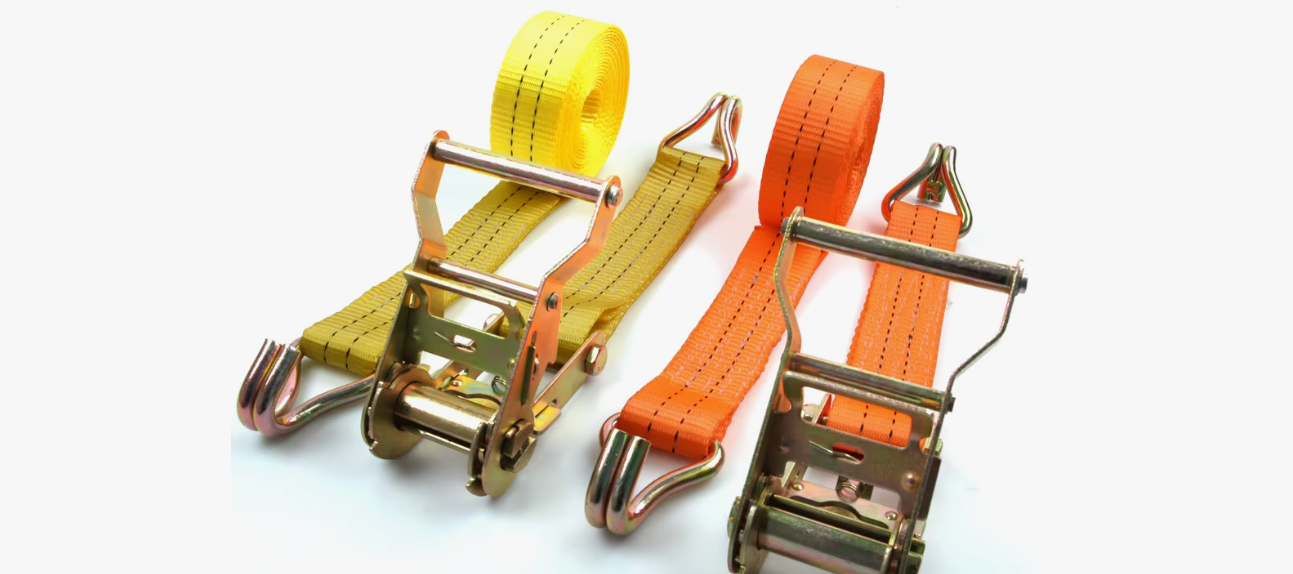
Cargo ratchet straps are an essential tool for securing cargo during transport. But not all ratchet straps are created equal, and choosing the right type is crucial to ensuring safety, efficiency, and the protection of your goods. In this article, we will break down the different types of cargo ratchet straps, explain their key features, and guide you on which one might be right for your needs.
Standard cargo ratchet straps are the most commonly used straps for general cargo. These straps are available in various lengths and load capacities, typically ranging from 500 lbs to 10,000 lbs. They feature a basic ratchet mechanism that provides reliable tension to keep cargo securely in place during transport.
Heavy-duty cargo ratchet straps are designed for securing larger and heavier loads. These straps typically have a higher weight capacity (up to 15,000 lbs or more), making them ideal for transporting heavy equipment, vehicles, and industrial goods. They often feature a thicker webbing material and more robust ratchet mechanisms to handle the added strain of heavy loads.
Cam buckle ratchet straps are a lighter alternative to the traditional ratchet strap. Instead of a ratchet mechanism, they use a cam buckle to secure the strap in place. This type of strap is perfect for securing lighter loads or for use when a high level of tension is not required.
Airline-style cargo ratchet straps are designed for use with airline tracks, such as the E-track or L-track systems. These straps feature hooks that are specifically designed to connect to the tracks, ensuring a secure and adjustable connection. They are commonly used in the transport of vehicles, motorcycles, and other large items that require a high level of security.
| Type | Weight Capacity | Ideal Use |
| Standard Ratchet Straps | Up to 10,000 lbs | General cargo |
| Heavy-Duty Ratchet Straps | Up to 15,000 lbs | Heavy equipment and vehicles |
| Cam Buckle Ratchet Straps | Up to 5,000 lbs | Light to medium cargo |
| Airline-Style Ratchet Straps | Varies based on system | Vehicles and large equipment |
Choosing the right type of cargo ratchet strap depends on the weight, size, and nature of the cargo you're transporting. From standard straps for everyday use to heavy-duty straps for large loads, selecting the appropriate strap ensures both safety and efficiency. By understanding the differences between these strap types, you can make an informed decision that best suits your transportation needs.
When it comes to securing cargo, ratchet tie down sets are an indispensable tool. They provide excellent tension to hold loads in place and prevent shifting during transport. However, improper use can lead to ineffective securing or even damage. In this article, we highlight five common mistakes people make when using a ratchet tie down set, and offer practical tips on how to avoid them.
Before using your ratchet tie down set, it’s crucial to inspect the straps, hooks, and ratchet mechanism for signs of wear or damage. Damaged straps can fail to hold the load securely, leading to accidents. Always check the stitching, material integrity, and that the ratchet mechanism functions smoothly.
One common mistake is over-tightening the ratchet tie down. While you want to ensure the load is secure, over-tightening can cause damage to the cargo or the strap itself. Over-tightening can stretch or break the strap and lead to uneven pressure distribution. A good rule of thumb is to tighten the strap until the load is snug but avoid excessive force.
Not all ratchet tie down sets are made for the same purpose. Some are designed for lightweight cargo, while others are built to secure heavy-duty loads. Ensure you're using the appropriate tie down set for the weight and size of your cargo. Using a strap that is too weak for your load can result in it snapping, causing damage or accidents.
Placing the tie down hooks incorrectly can lead to uneven tension and make the securing ineffective. Make sure the hooks are placed on strong anchor points that are capable of withstanding the pressure. Hooks should not be placed on sharp edges or thin surfaces, as they can cause the hooks to slip or the load to shift during transport.
When not in use, ratchet tie down sets should be stored in a cool, dry place to avoid exposure to UV light, extreme temperatures, or moisture, all of which can degrade the straps and shorten their lifespan. Additionally, store the tie down set in a way that avoids kinks or twists, which can cause wear and tear over time. Proper storage ensures your tie down set remains in optimal condition and ready for use.
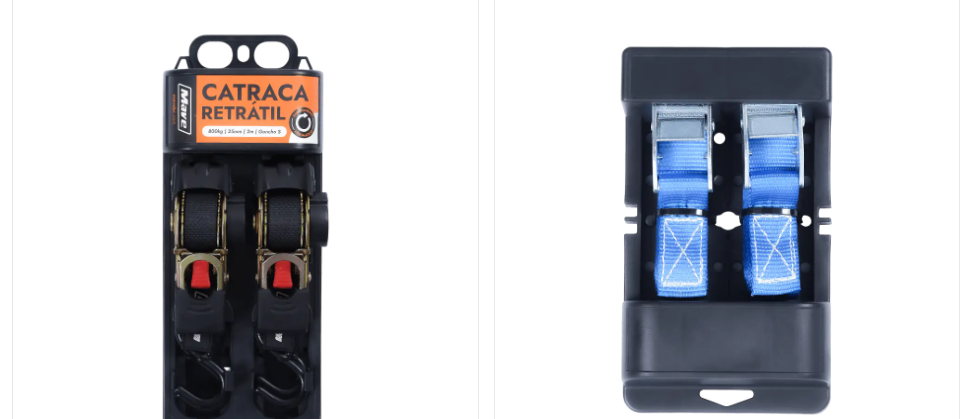
By avoiding these common mistakes, you can make sure your cargo stays safe during transport and extend the lifespan of your ratchet tie down set. Always inspect the set before use, tighten it properly, use the right set for your load, place hooks carefully, and store the set correctly when not in use. Proper usage and maintenance of your ratchet tie down set can save you time, money, and headaches in the long run.
Yes, ratchet tie down sets are available in various strengths, and many are designed for heavy-duty loads. Be sure to choose a tie down set that matches the weight and size of your cargo.
Tighten the ratchet strap until the cargo is secure, but avoid over-tightening. Over-tightening can cause damage to both the strap and the cargo.
Make sure to place the straps properly, avoid over-tightening, and use protective corner protectors if the straps are placed near sharp edges to prevent damage.
The lifespan of ratchet tie down straps depends on usage, storage conditions, and maintenance. Proper care can extend their lifespan for several years.
Yes, but it's essential to inspect the straps before use, as extreme temperatures, UV exposure, or moisture can degrade the material over time.
Store your ratchet tie down set in a dry, cool place and avoid exposure to harsh sunlight or moisture. Make sure the straps are not twisted or kinked during storage.
When it comes to securing cargo during transport, choosing the right tie down equipment is crucial. While both **ratchet tie down sets** and **regular tie downs** serve the same purpose, they differ in functionality, strength, and ease of use. This article will explore the key differences between these two types of tie downs to help you make an informed decision based on your specific needs.
A **ratchet tie down set** consists of a ratchet mechanism that tightens the straps securely, allowing for better tension and a stronger hold on the cargo. The ratchet handle helps you achieve a precise amount of tension, making it ideal for heavy loads. The ratchet design offers more control over the tightness, ensuring that the cargo stays in place during transport.
A **regular tie down** generally consists of a simple strap and hook combination without the ratchet mechanism. It is typically faster to use, but the tension is limited to what you can manually achieve by pulling the strap tight. Regular tie downs are suitable for lighter cargo or when speed and convenience are more important than securing heavy loads.
| Feature | Ratchet Tie Down Set | Regular Tie Down |
| Tension Control | High precision and tight tension | Manual adjustment, less precise |
| Suitability for Heavy Loads | Ideal for heavy-duty cargo | Best for light to medium cargo |
| Ease of Use | More complex to use due to the ratchet | Quick and easy to use |
| Durability | Highly durable and long-lasting | Less durable compared to ratchet tie downs |
Ratchet tie down sets are perfect for situations where precise control over the tension is needed, especially when securing heavy-duty cargo. Their ability to hold heavy items securely over long distances makes them the ideal choice for moving large furniture, machinery, and other hefty goods. If you frequently transport large loads, a ratchet tie down set is a must-have in your toolkit.
Regular tie downs are a great choice for lighter cargo or when you need to secure smaller items quickly. They are also more portable and easier to use for short trips. If you’re hauling items that don’t require maximum tension, such as boxes, light equipment, or when you’re in a rush, a regular tie down strap will do the job well.
Both **ratchet tie down sets** and **regular tie downs** have their own set of advantages depending on your needs. If you are dealing with heavy-duty loads and need precise tensioning, a ratchet tie down set is your best bet. However, for lighter loads or when speed and convenience are more important, regular tie downs might be sufficient. Choose wisely based on the weight and type of cargo you transport to ensure the safety and security of your goods.
Yes, ratchet tie down sets are typically stronger and more suitable for heavy-duty cargo due to their precision tensioning mechanism.
It is not recommended to use regular tie downs for heavy loads, as they may not provide sufficient tension to secure the cargo properly.
Ratchet tie down sets require more effort and time to tighten, but they provide better control and security for heavy loads.
Yes, you can use ratchet tie downs for light loads, but it may be overkill. Regular tie downs are typically faster and more efficient for lighter cargo.
To maintain your ratchet tie down set, store it in a cool, dry place, inspect it regularly for wear, and clean it after each use to prevent dirt from affecting the ratchet mechanism.
When it comes to securing heavy cargo, ensuring safety during transport is paramount. **Ratchet tie down sets** have become a popular choice for many due to their ability to provide superior tensioning and secure loads more effectively than traditional strapping methods. In this article, we’ll explore the key benefits of using a ratchet tie down set over other types of straps.
One of the main advantages of using **ratchet tie down sets** is their ability to offer **greater tension control**. The ratchet mechanism allows for precise adjustments, providing much higher levels of tension than other types of straps. This ensures a tighter and more secure hold on the cargo, especially important for heavy or irregularly shaped loads. Unlike simple cam buckle straps or rope, ratchet straps provide a higher level of control over how tightly the cargo is secured.
Ratchet tie down sets are designed to handle **heavier loads** with ease. The tension created by the ratchet mechanism helps distribute the weight evenly, preventing slippage or shifting during transport. This makes ratchet tie down sets ideal for securing large items like furniture, machinery, or vehicles. With **stronger hold** capabilities, these tie downs outperform basic straps or ropes, which may not provide the same level of security for heavy-duty cargo.
In terms of durability, ratchet tie down sets are typically made from **high-quality materials** such as polyester or nylon, which makes them **stronger** and more **resistant to wear and tear** compared to other strapping methods. This added durability allows ratchet straps to withstand harsh conditions, including UV exposure, friction, and moisture, ensuring they remain functional and safe over time. Unlike ropes or other fabric straps, ratchet tie downs won’t stretch out or weaken after repeated use.
Ratchet tie down sets are easier to use compared to many other alternatives. The **ratchet mechanism** simplifies the process of tightening and securing the cargo, ensuring a secure hold with minimal effort. This ease of use is particularly beneficial for those who are not experienced with cargo securing. Unlike traditional ropes that require knots or other complicated methods, ratchet straps make it quicker and more convenient to secure loads, saving both time and effort.
Using ratchet tie down sets significantly enhances the **safety** of your cargo during transport. The **secure and tight hold** ensures that items will not shift or fall during transit, reducing the risk of damage or accidents. This is particularly important for items that are fragile, sensitive, or valuable. With ratchet straps, you can rest assured knowing that your cargo is safely secured and unlikely to shift or cause damage to other items in transit.
Although ratchet tie down sets may have a slightly higher upfront cost compared to traditional methods like ropes or bungee cords, their **durability and strength** make them a more cost-effective choice in the long run. Since they are less likely to wear out or break under pressure, you won’t have to replace them as often. This makes ratchet straps a **smart investment** for businesses or individuals who need reliable and long-lasting cargo securing solutions.
Ratchet tie down sets are highly versatile and can be used for various types of transport, from personal vehicles to commercial freight. Whether you need to secure a motorcycle, a large box, or even an industrial machine, ratchet tie downs offer the **flexibility** to handle different shapes and sizes. This versatility makes them the go-to choice for transporting a wide range of items safely.
In summary, **ratchet tie down sets** provide numerous advantages over other strapping methods, including **superior tension control**, **enhanced security**, and **greater durability**. Whether you're securing heavy cargo or need a simple yet effective solution for regular transport, ratchet tie downs offer peace of mind and long-lasting value. When safety, efficiency, and reliability matter, **ratchet tie down sets** are the clear choice over traditional ropes or simple tie downs.
Yes, ratchet tie downs can be used for lighter cargo as well, although they are best suited for heavier loads due to their ability to provide precise tension.
With proper care and maintenance, ratchet tie down sets can last for several years. Their durable material and high-quality build make them a long-lasting option for securing cargo.
Yes, ratchet tie down sets are relatively easy to use. The ratchet mechanism allows for simple tightening and securing, even for beginners.
Yes, ratchet straps are commonly used to secure vehicles during transport. Their high strength and tensioning capabilities make them ideal for this purpose.
Ratchet tie downs are versatile and can be used for a variety of cargo sizes. However, it’s essential to choose the appropriate strap length and strength rating based on the size and weight of the load.

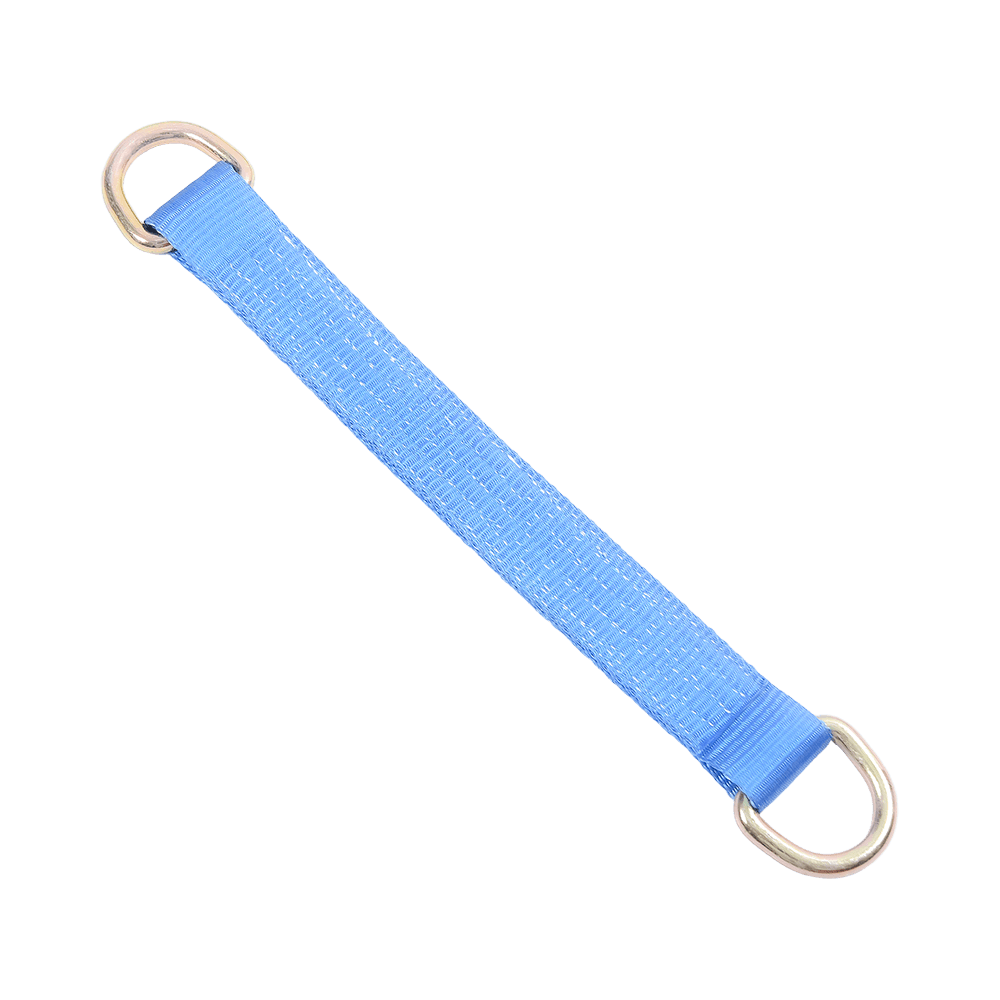
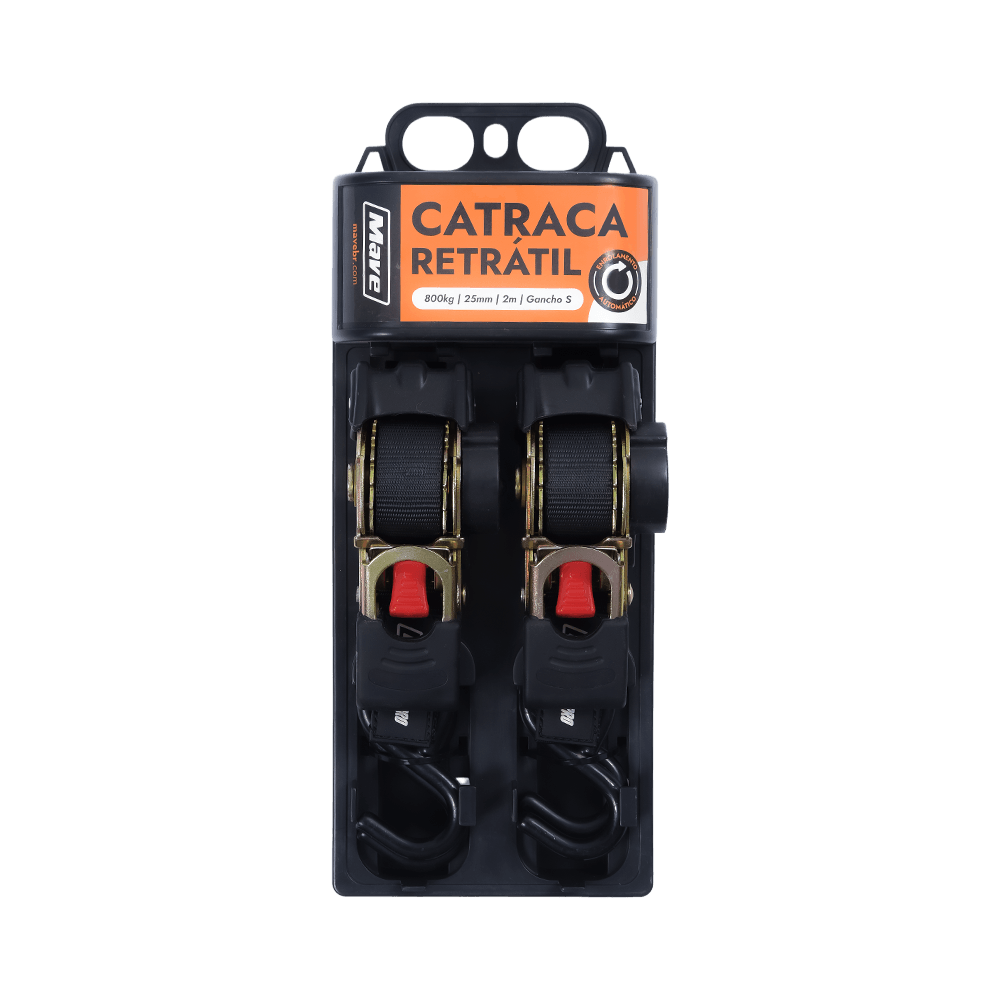
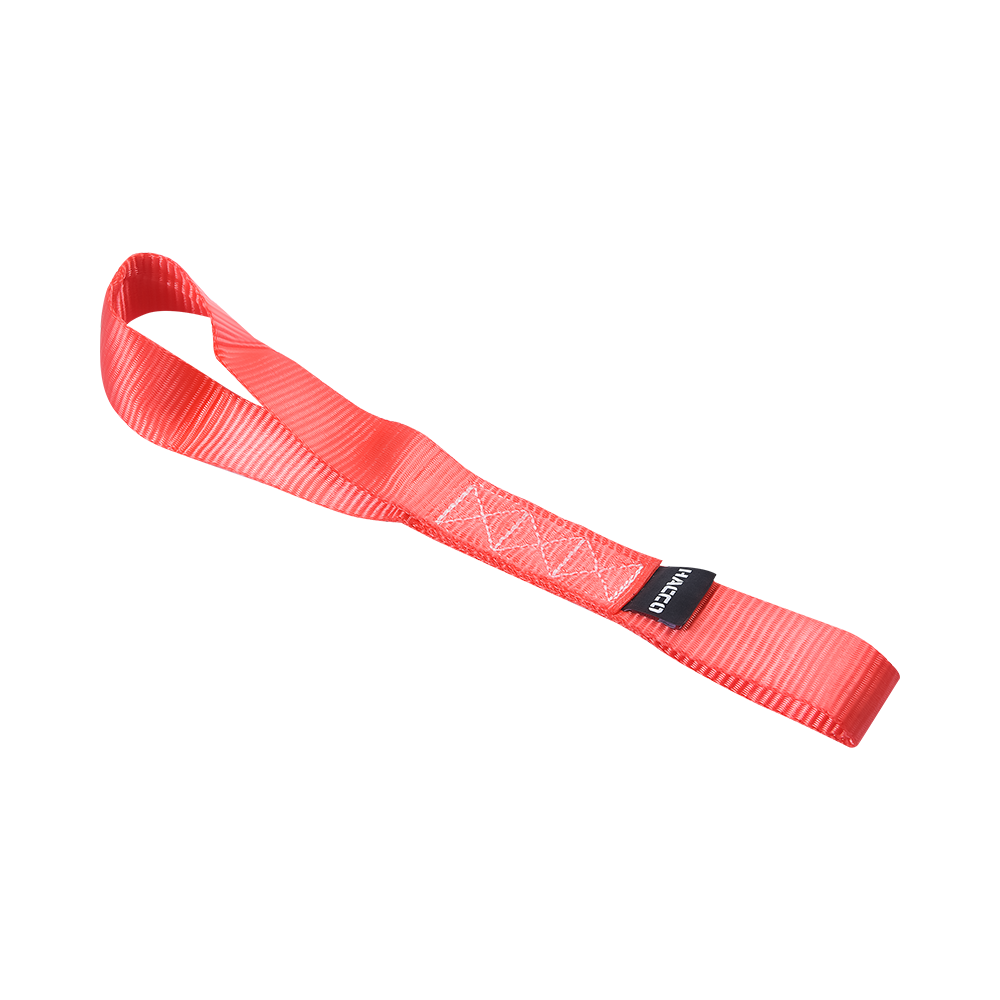
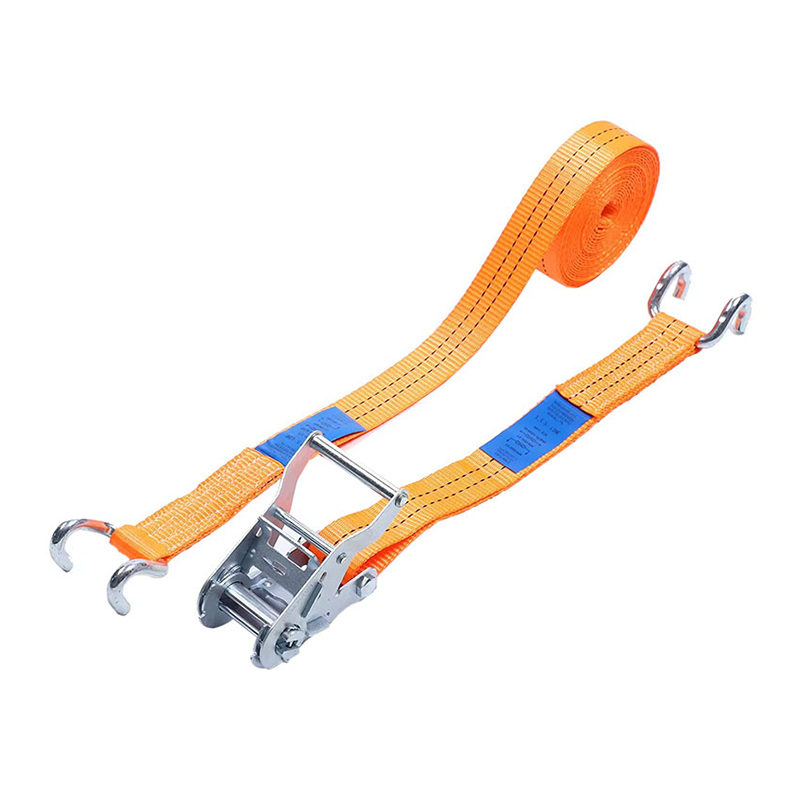
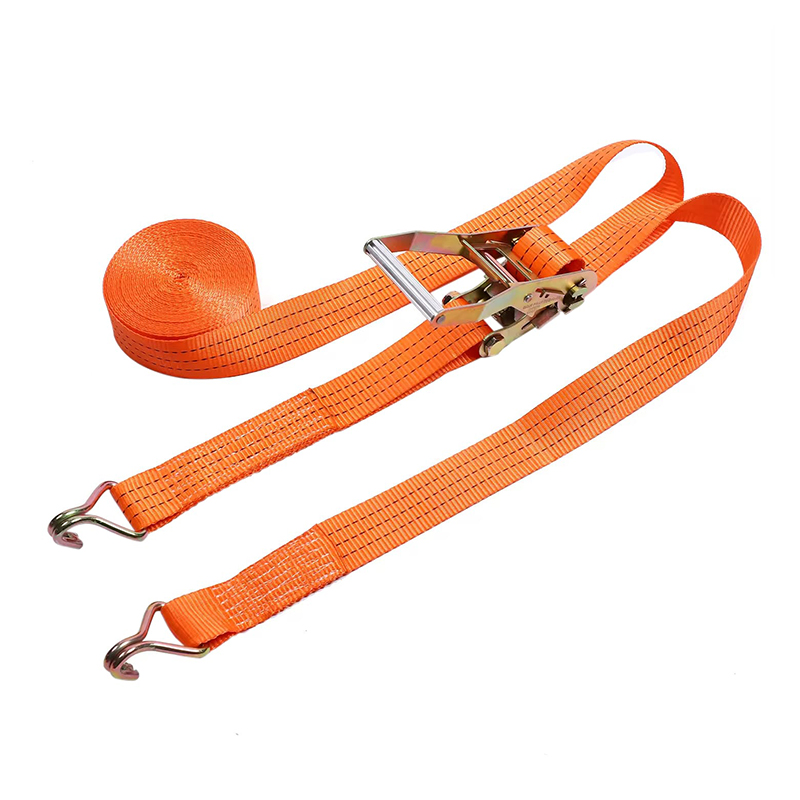

The company specialises in the field of logistics transportation,cargo control,lifting and hoisting products.


joe@forcerigging.com
+86-18650363763
No.469, Liansheng Road, Yinzhou District, Ningbo, Zhejiang Province, China.315111
Copyright © 2025 by Ningbo Force Auto Parts Co., Ltd. All Rights Reserved. China Ratchet Straps Manufacturers OEM/ODM Load Binding and Rigging Company


 English
 Español
 عربى
عربى 中文简体
中文简体