Ningbo Force Auto Parts Co., Ltd.
- joe@forcerigging.com
- +86-18650363763
A 2-inch ratchet strap off the shelf usually carries a 10,000 lb marking, and most drivers read that as the load it can hold. It is not. That number is the break strength — the point where the webbing or a hook gives way in a pull test. The usable figure is roughly a third of it, and a load that looks legal on paper can still shift if the hooks, anchor points or edge protection are wrong.
The short answer before the detail: add up the cargo weight, choose straps whose combined working load limit (WLL) covers that weight, then match width, length, hook style, market standard and edge protection to the job. The sections below follow that order, because it is also the order in which mistakes cost money.
Content
Every ratchet strap assembly has two ratings. Break strength is where the assembly fails in a controlled pull test. Working load limit is the maximum load it is rated to secure in service, and in North America it is set at one third of break strength — a 3:1 safety factor that absorbs wear, vibration and the uneven tension a hand-operated ratchet produces.
Europe works differently, and this trips up importers. EN 12195-2 rates a strap by its lashing capacity (LC) with a 2:1 factor against breaking strength, so a 50 mm strap marked LC 5,000 kg is built to break at around 10,000 kg. The same webbing can therefore show a bigger number in Europe than in the US. When you compare quotes from different regions, convert everything to break strength before you compare price per pound of capacity.
Regulation is the other half. US federal rules (49 CFR 393.106) require the aggregate WLL of all tiedowns to be at least 50% of the cargo weight, and 49 CFR 393.104 requires each manufactured tiedown to be marked with its WLL. If the label is missing, painted over or unreadable, that strap is not a compliant tiedown — retire it.
Sizing rule that survives an audit: total WLL of the straps on the load should equal the cargo weight. That is twice the US federal minimum and leaves room for one strap being slack, badly angled or damaged.
| Marking on the label | What it actually means | Where it applies |
|---|---|---|
| WLL 3,333 lb | Working load limit, one third of break strength | US and Canada |
| 10,000 lb break strength | Pull-test failure point, a specification not a rating | All catalogues |
| LC 5,000 kg | Lashing capacity, one half of break strength | Europe (EN 12195-2) |
| LC 5T with swan hook | Tonne-based lashing capacity with a hook matched to local trailers | Australia and New Zealand |
| Not for lifting | Cargo securement only, never overhead lifting | All markets |
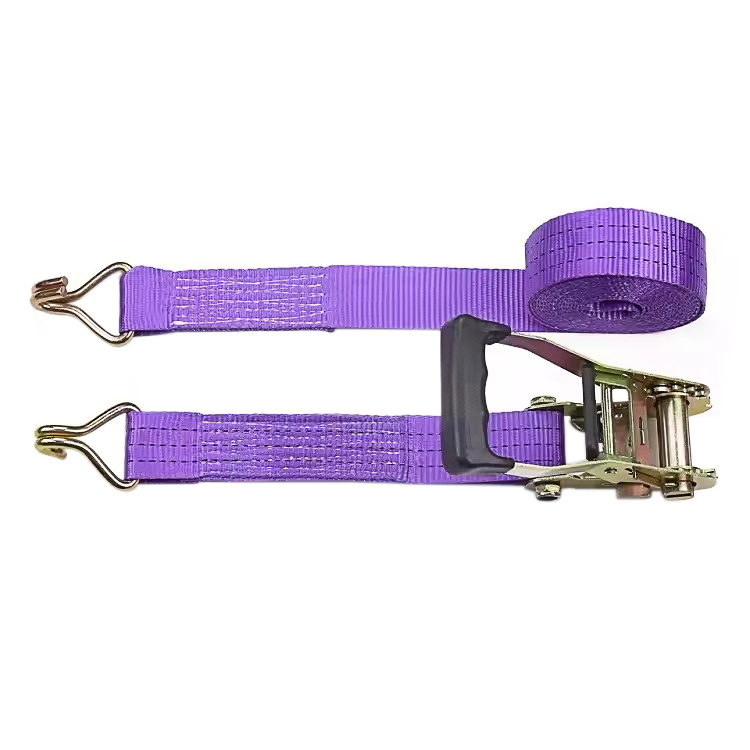
Width decides two things at once: the rated capacity of the assembly and how much surface the webbing has to grip. A 1-inch strap is fine for a motorcycle or an ATV. General flatbed freight starts at 2 inches. Dense, abrasive or concentrated loads move to 3 or 4 inches, where the wider webbing spreads pressure and resists cutting.
Length is where most first orders go wrong. Measure along the path the strap will actually take, add the take-up the ratchet needs and a tail long enough to grip. A strap that is too short gets extended with a knot or a second strap, and both destroy the rating.
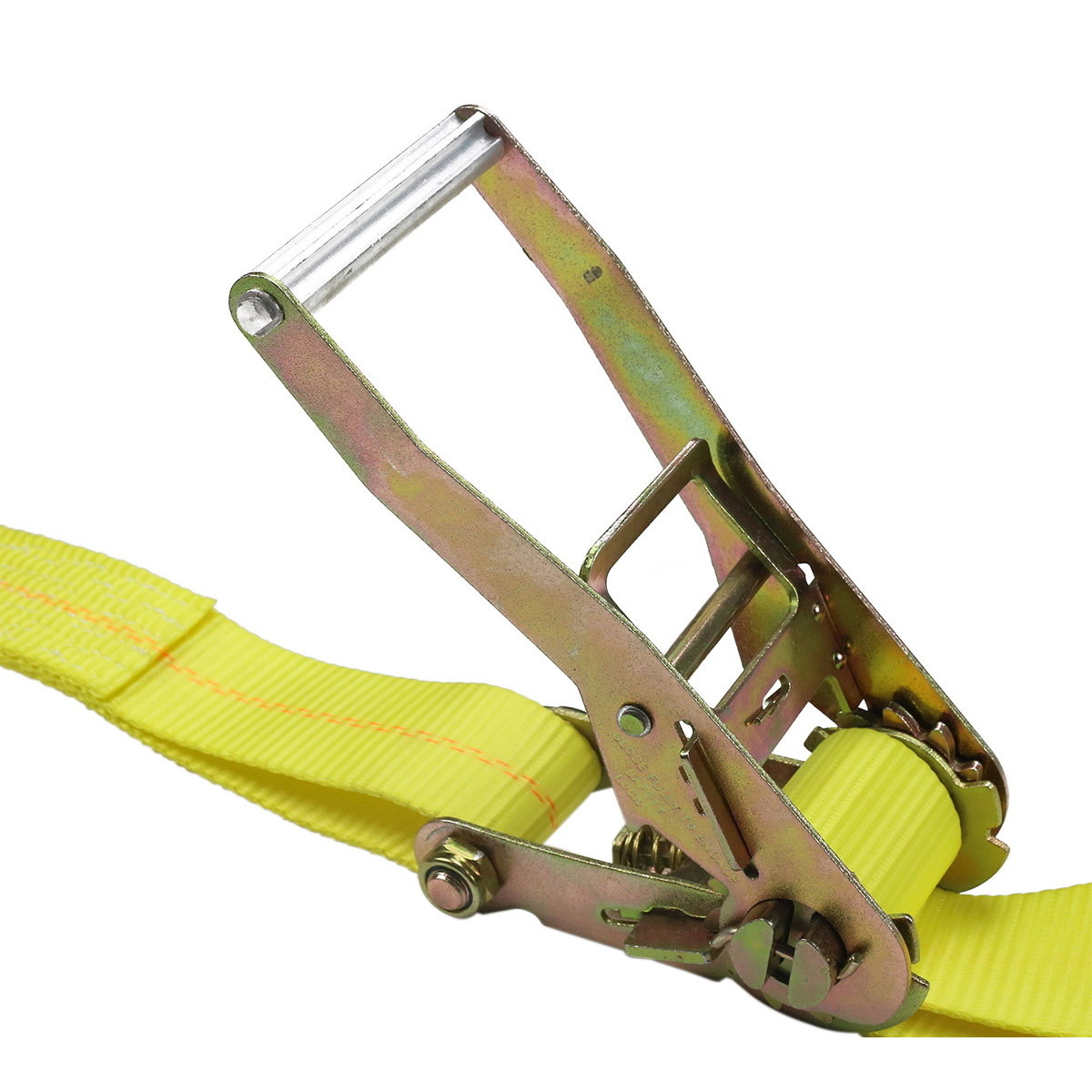 2-Inch 10,000 lb Ratchet Straps, 27 ftA 27 ft yellow 2-inch ratchet strap with 3,333 lb working load limit and 10,000 lb breaking strength for general flatbed cargo.View Product →
For a general-purpose flatbed kit, a 2-inch assembly with 10,000 lb break strength and flat hooks covers most freight; step up to 3-inch webbing when the load is dense or has edges that will work against the strap.
A strap that is compliant in one market is not automatically compliant in another, and for importers that is a commercial risk rather than a technical one. European buyers expect EN 12195-2 labels showing lashing capacity, the standard number, the manufacturer, the length and the date of manufacture. US buyers expect a WLL marking plus hardware that matches their trailer rails. Australian buyers work in tonnes and expect swan hooks that sit on their trailers.
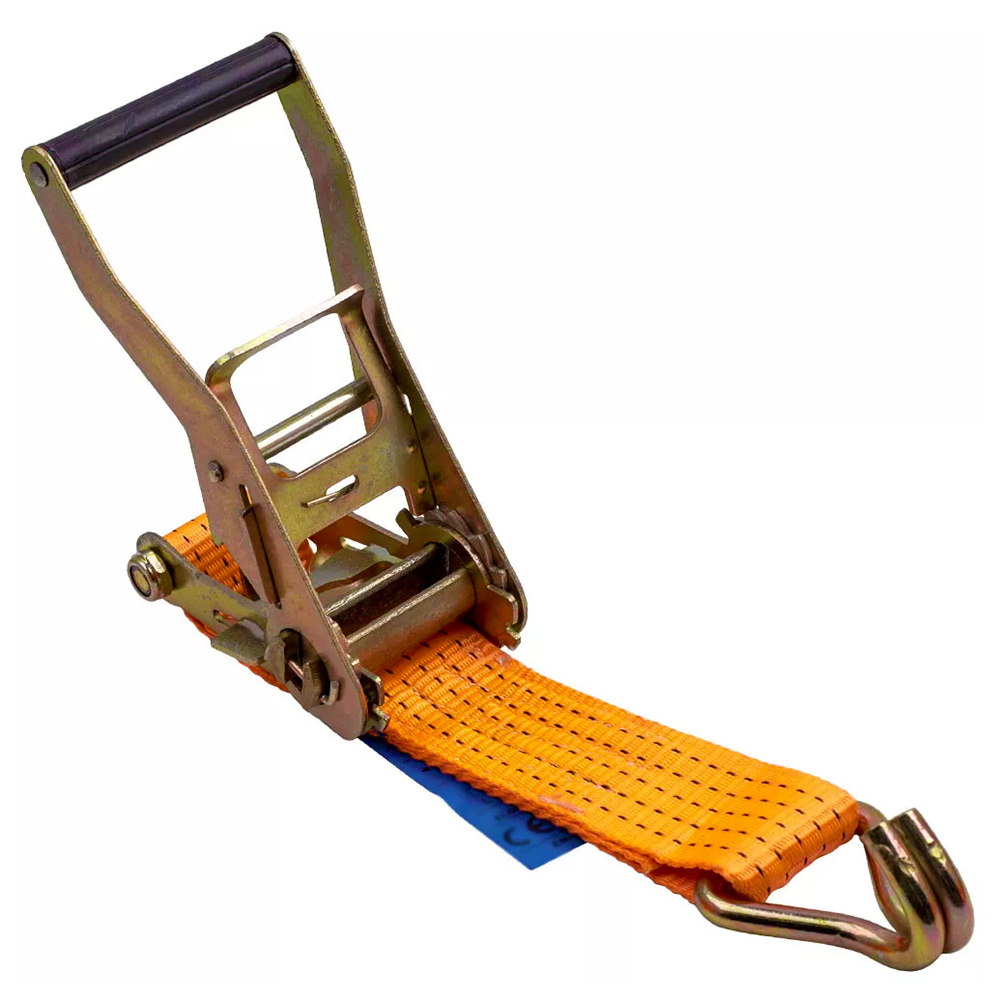 50 mm Heavy-Duty Ratchet Lashing Strap, 5 tAn 8 m orange polyester lashing strap with ratchet tensioning and steel hooks, rated 2,500 kg WLL and 5,000 kg breaking strength for transport cargo.View Product →
Ask your supplier which standard each assembly is built and labelled to before you compare price. A strap without a label is a consumable, not a certified tiedown, and it cannot legally secure a load on a US highway.
Webbing fails where it touches something it should not. US rules require edge protection whenever a tiedown could be cut or abraded by the cargo (49 CFR 393.104), and the practical reason is simple: a steel corner under a tensioned strap acts like a blade, and a cut strap loses capacity long before the load approaches its WLL.
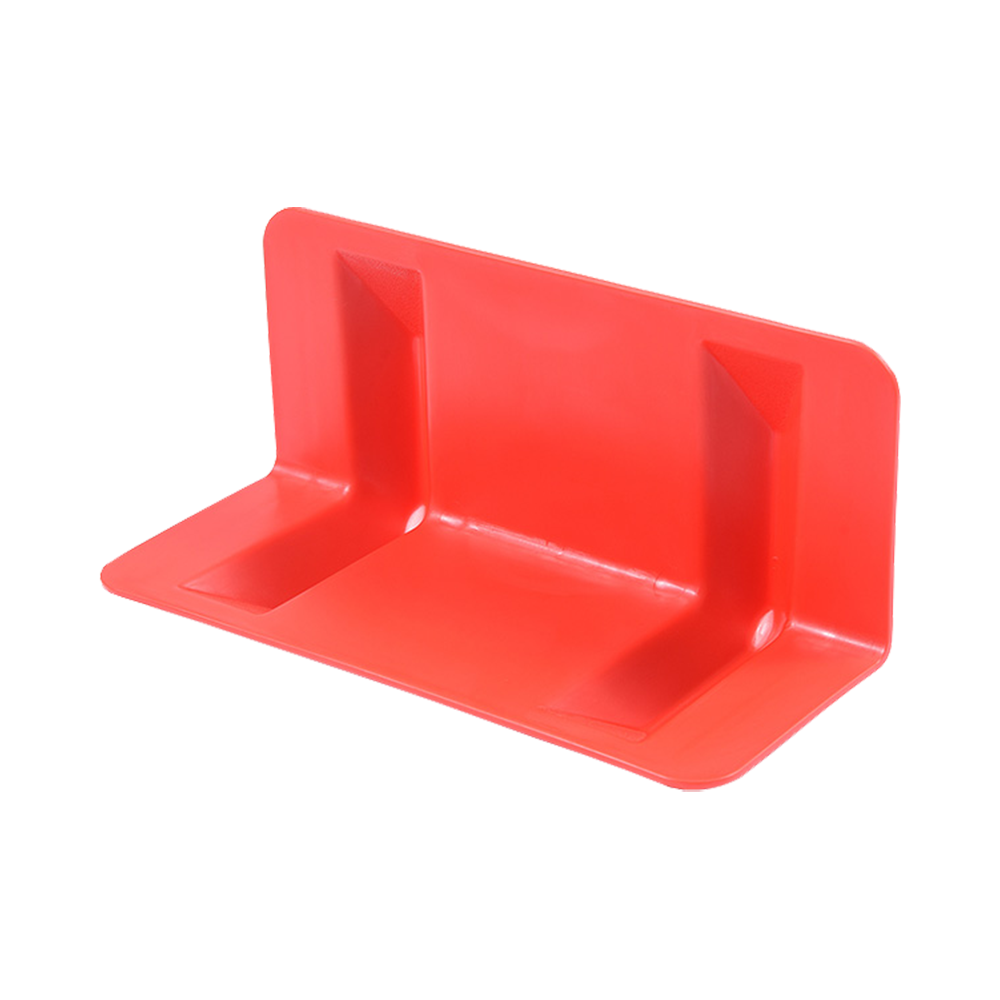 24–48 Inch Plastic Vee Board Edge ProtectorsLong HDPE V-shaped protectors cover cargo edges and spread strap pressure, helping prevent abrasion and crushing during flatbed transport and warehouse handling.View Product →
Plastic V-boards and corner protectors sit between the webbing and the edge, spread contact pressure and let the strap slide slightly instead of sawing itself. Steel corner protectors are used with chain, where contact loads are higher. Heat matters too: exhaust runs, hot cargo and welding spatter melt polyester, and a melted patch is a permanent loss of strength.
Two rules run in parallel. The aggregate WLL has to reach 50% of cargo weight, and the minimum number of tiedowns rises with cargo length — one for loads up to 5 ft, two up to 10 ft, then one more for each additional 10 ft or fraction of it.
The count is a floor, not a plan. A 20 ft bundle of lumber needs at least three tiedowns; whether two 2-inch straps at 6,667 lb combined WLL are enough depends entirely on the bundle's weight, and that is where the 50% rule takes over.
Anchor points are the weakest link in most setups. Rated D-rings, E-track and L-track rings and factory-installed anchor plates are anchors. Stake pockets, sheet metal, bumpers and holes drilled after the fact are not. If you are specifying straps for a fleet rather than a single load, the requirements differ by trailer type — our overview of trucking and transportation tie-down applications covers flatbed, van and auto-hauler setups.
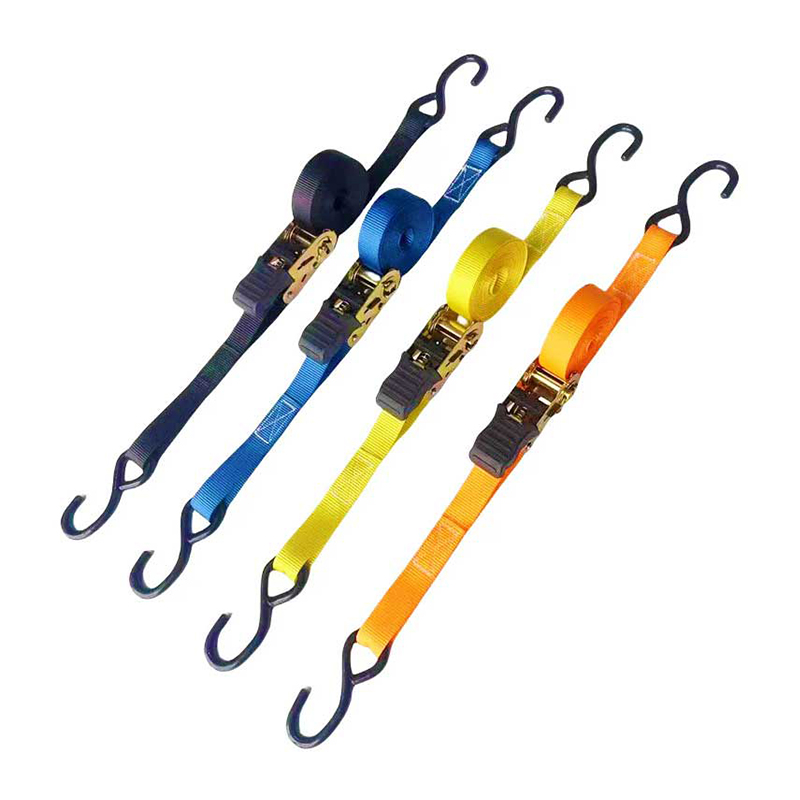
Ratchet handles give the highest tension with the least effort and hold it without slipping, which is why they dominate heavy cargo. Cam buckles are faster and gentler on light loads — motorcycles, kayaks, furniture — but they cannot reach the tension a heavy load needs. Winch straps work with a winch drum on the trailer and suit long flatbed runs where the strap stays on the deck.
The expensive mistake is buying a cam buckle because it is cheaper for a load that needs a ratchet. Match the tensioning method to the weight first, then to how often the strap comes on and off.
There is no fixed expiry date on a ratchet strap; condition decides. Before every use, run the webbing through your hands and look for cuts, abrasion, UV fading, melted spots, chemical staining and broken stitching. Check that the ratchet teeth engage cleanly and the spring returns the pawl. Retire anything with a cut edge, a knot memory or a label you cannot read.
Storage is the cheapest maintenance there is. Coil straps loosely, hang them rather than leaving them in a wet floor well, and keep them out of prolonged sunlight — polyester holds up well to UV, but not forever. Our guide to storing ratchet straps covers coiling and pre-trip inspection in more detail.
You need about 10,000 lb of aggregate working load limit, which is more than one strap provides. A 2-inch assembly with 10,000 lb break strength is rated around 3,333 lb WLL, so plan on three or four, or move up to 3- and 4-inch webbing.
No. Break strength is where the assembly fails in a pull test; working load limit is the safe working rating, set at one third of break strength in North America and one half in Europe under EN 12195-2.
Start with the federal minimum — one tiedown up to 5 ft of cargo, two up to 10 ft, then one more per additional 10 ft — then confirm the combined WLL reaches at least 50% of the cargo weight. Most fleets size for 100%.
3-inch or 4-inch webbing gives more capacity and more contact area, and it resists cutting on steel edges. For concentrated loads such as coils or plate, chain and binders are usually the correct tool, with straps handling lighter equipment.
No. Cargo straps are marked not for lifting and are built with a different safety factor and hardware than slings. Use a rated lifting sling for any overhead work.
There is no fixed expiry, but they do wear out. Retire any strap with cuts, heavy abrasion, UV fading, melted spots, damaged stitching or a ratchet that will not lock.
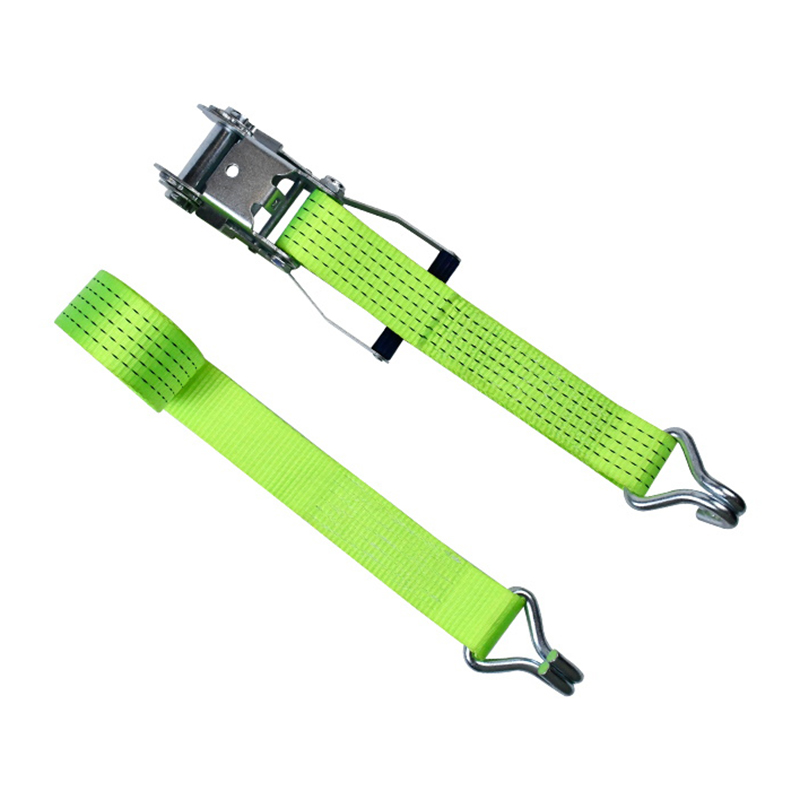

The company specialises in the field of logistics transportation,cargo control,lifting and hoisting products.


joe@forcerigging.com
+86-18650363763
No.469, Liansheng Road, Yinzhou District, Ningbo, Zhejiang Province, China.315111
Copyright © 2025 by Ningbo Force Auto Parts Co., Ltd. All Rights Reserved. China Ratchet Straps Manufacturers OEM/ODM Load Binding and Rigging Company


 English
 Español
 عربى
 中文简体