Ningbo Force Auto Parts Co., Ltd.
- joe@forcerigging.com
- +86-18650363763
Ningbo Force Auto Parts Co., Ltd.
A fleet maintenance manager opens two quotes for 3/8 inch chain. Same length, same hooks listed on the drawing, and a price gap wide enough to notice. One supplier is quoting Grade 70 transport chain, the other is quoting Grade 80. Both arrive in plain cartons, both will drag a skid steer onto a step deck, and neither will tell you by looking at it which job it is actually rated for.
That is where most chain mistakes begin. Grade 70 and Grade 80 are not two quality levels of the same product. They are two different materials, rated to two different design factors, built for two different jobs. Get the pairing wrong and you either pay an alloy premium on every foot of tie-down chain or put a carbon-steel transport chain where a rated sling belongs.
Content
Buy Grade 70 for cargo securement. Buy Grade 80 for overhead lifting. Grade 70 is a carbon-steel transport chain, commonly yellow zinc chromate plated and stamped 7 or 70 on every link. Grade 80 is a heat-treated alloy steel chain stamped 8 or 80, built as a lifting component with a 4:1 design factor.
The rule is blunt: a Grade 70 chain should never lift a load above people. OSHA 1910.184 requires overhead chain slings to be alloy steel and marked with grade and capacity, so a carbon-steel tie-down chain does not qualify no matter how clean it looks on the inspection bench.
Published figures shift slightly between manufacturers, so treat the numbers below as typical values and confirm the stamp on the chain plus the tag on the finished assembly.
| Attribute | Grade 70 | Grade 80 |
|---|---|---|
| Base material | Carbon steel | Heat-treated alloy steel |
| Design factor | 3:1 | 4:1 |
| Link marking | 7 or 70 | 8 or 80 |
| 3/8 in working load limit | 6,600 lb | 7,100 lb |
| 3/8 in breaking strength | about 19,800 lb | about 28,400 lb |
| Overhead lifting | Not permitted | Permitted when rated and tagged |
| Typical job | Trailer tie-down, cargo securement | Slings, hoists, rigging |
Grade 80 is quenched and tempered alloy steel. That raises tensile strength and keeps more ductility when a load drops or jerks, which is exactly the behaviour you want above a machine or a person. Grade 70 is carbon steel with plating for weather resistance, and it is rated at 3:1 because a trailer deck assumes nobody stands underneath.
Working load limits in pounds, typical published values.
One detail surprises buyers: at small diameters the Grade 70 figure can sit higher than the Grade 80 figure for the same size, because the two numbers answer different questions. A 5/16 inch Grade 70 transport chain is rated 4,700 lb at 3:1; a 5/16 inch Grade 80 lifting chain is rated 4,500 lb at 4:1. The alloy chain is still the stronger chain, it is simply being asked to hold a larger safety margin.
Grade is a marking, not a colour. Yellow chromate is common on Grade 70 because cracks show up easily against it, but plenty of chain is black, galvanized or painted. Read the stamp: 7 or 70 for transport chain, 8 or 80 for alloy lifting chain, 10 or 100 for Grade 100. Unmarked chain is unrated chain, and that is a routine roadside finding under 49 CFR 393.104(b), which requires each tie-down to carry the manufacturer's working load limit marking.
The working load limit applies to the complete assembly, not to the best component in it. A 3/8 inch Grade 80 chain rated 7,100 lb stops being a 7,100 lb assembly the moment a carbon-steel grab hook goes on the end. Rated capacity drops to the lowest-rated part, and the marking on the chain now overstates what the assembly can hold.
Isometric schematic of a matched-grade load path.
The dashed section shows capacity paid for on the chain but unavailable to the finished assembly.
Two habits prevent this. First, match grades: Grade 80 chain with Grade 80 hooks, clevis grab hooks and alloy shackles. Second, match binders: a lever binder or ratchet binder must be rated for the chain it tensions, and a cheater bar on the handle pushes the binder past its rating, one of the most common causes of bent handles and snapped chain on flatbeds.
Transport chain lives on trailers, step decks and rollbacks. Grade 70 in 5/16 inch covers most flatbed securement, 3/8 inch suits heavier equipment and machinery, and 1/2 inch handles the largest loads. Pair it with lever or ratchet binders and steel corner protectors wherever the chain crosses a sharp edge.
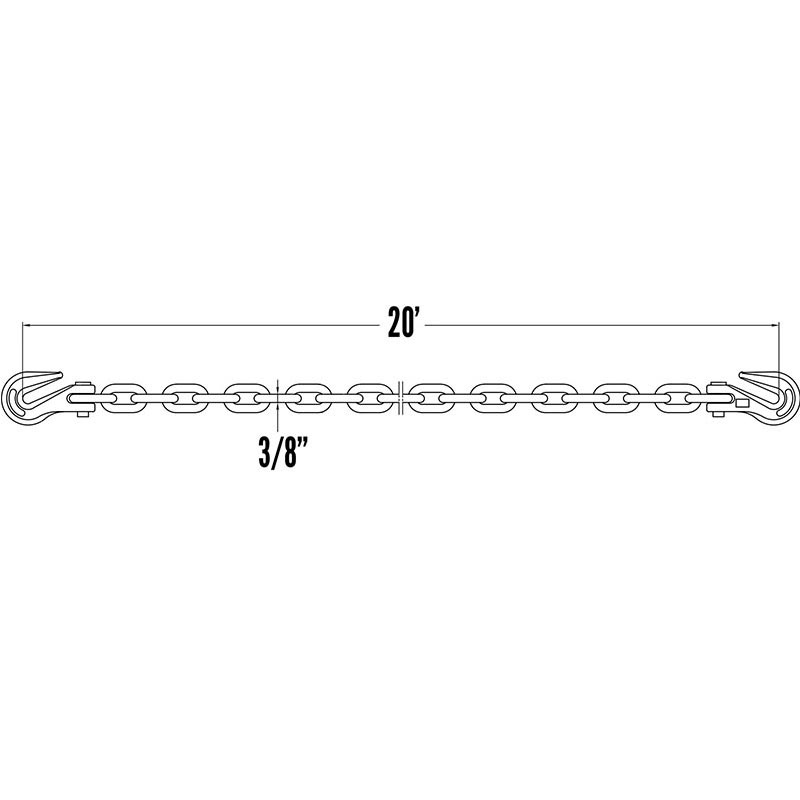 3/8-Inch Grade 70 Transport ChainFor flatbed and equipment securement, this heat-treated Grade 70 chain balances load capacity with manageable handling; confirm aggregate WLL before use.View Product →
Aggregate working load limit matters more than chain size alone. Under 49 CFR 393.106, the combined WLL of the tiedowns must be at least half the cargo weight, so a 10,000 lb machine needs 5,000 lb of aggregate rating before any safety-margin discussion starts. More on how this plays out in trucking and transportation work.
Grade 80 chain belongs on hoists, slings and lifting beams, with the assembly tagged. Choose 5/16 inch for light lifts, 3/8 inch for general industrial work, and 1/2 inch and above for heavy fabrications; the same logic applies across rigging and lifting duty.
 Grade 80 Alloy Hoisting ChainFor rigging and lifting assemblies, this alloy Grade 80 chain offers higher strength and wear resistance than Grade 70; verify rated use.View Product →
Alloy steel and heat treatment cost more than carbon steel, so Grade 80 normally prices higher per foot at the same diameter. That premium is well spent when the chain lifts, and unnecessary when the chain only holds cargo down on a deck.
The expensive choice is the wrong one. A fleet that buys Grade 80 for every trailer tie-down pays an alloy premium for a job Grade 70 already does well. A shop that buys Grade 70 for lifting ends up with slings that cannot be tagged, plus the compliance exposure that comes with them. Buy by application first, then by size.
 Recoil-Less Cam Action Lever BinderFor heavy cargo securement, this die-forged lever binder uses a cam mechanism to control recoil during release; inspect cam pivot and hook engagement.View Product →
Custom lengths, hook styles and branded assemblies are worth raising at quotation stage. The difference between a standard 20 ft chain and a made-to-length assembly with the right end fittings is usually small next to the cost of a mismatched component.
Grade 70 is carbon-steel transport chain rated at a 3:1 design factor; Grade 80 is heat-treated alloy chain rated at 4:1, stamped 8, and intended for overhead lifting assemblies.
No. Overhead slings must be alloy steel and properly marked, so a Grade 70 tie-down chain does not qualify. Use a tagged Grade 80 assembly instead.
Yes. At 3/8 inch the alloy chain breaks around 28,400 lb against roughly 19,800 lb for Grade 70, and it keeps more ductility when a load shocks the system.
For securement, tiedown WLL must total at least 5,000 lb. Two 3/8 inch Grade 70 chains at 6,600 lb each clear that figure comfortably.
Read the stamp on the links: 7 or 70 for transport chain, 8 or 80 for alloy lifting chain, 10 or 100 for Grade 100. Colour and plating are not proof of grade.
Physically sometimes, in rating terms never. The assembly takes the capacity of its lowest-rated component, so match hooks and load binders to the chain grade.
Chain grade is a decision about what a chain is permitted to do, not about which one is better. Match Grade 70 to the trailer deck, Grade 80 to the hook overhead, keep every fitting in the same grade, and the working load limit on the tag will mean exactly what it says.

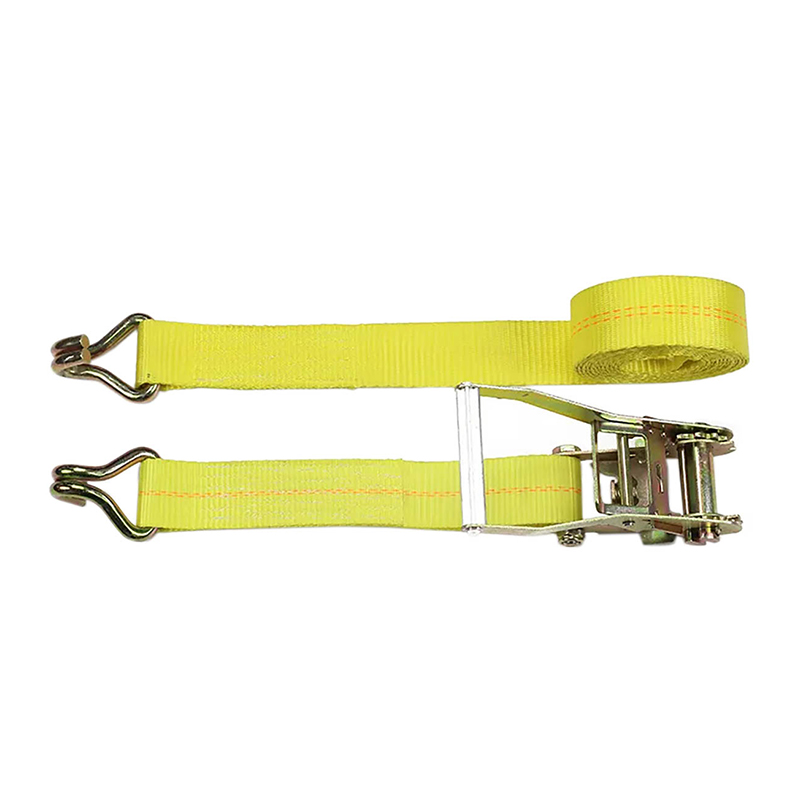
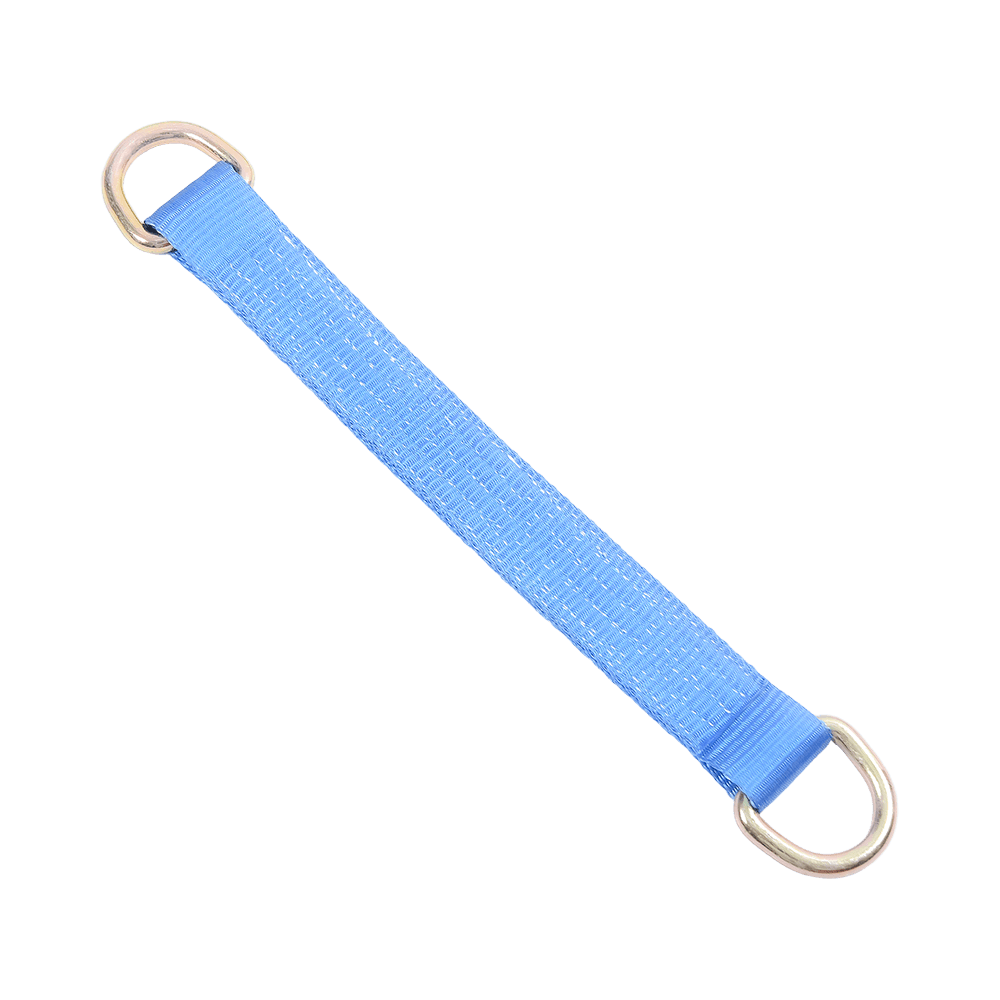
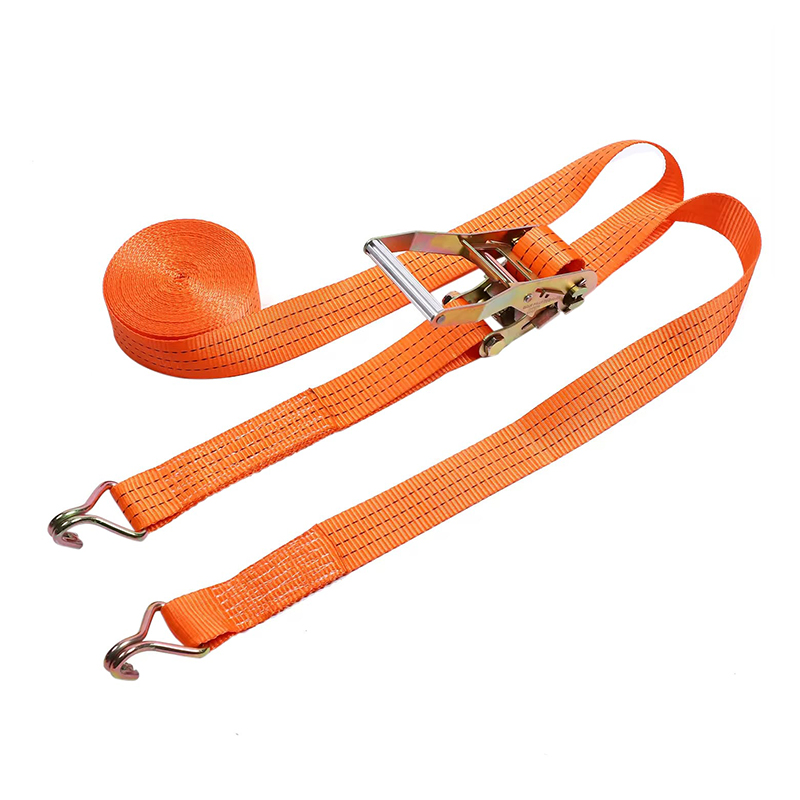

The company specialises in the field of logistics transportation,cargo control,lifting and hoisting products.


joe@forcerigging.com
+86-18650363763
No.469, Liansheng Road, Yinzhou District, Ningbo, Zhejiang Province, China.315111
Copyright © 2025 by Ningbo Force Auto Parts Co., Ltd. All Rights Reserved. China Ratchet Straps Manufacturers OEM/ODM Load Binding and Rigging Company


 English
 Español
 عربى
 中文简体