
 English
 Español
 عربى
عربى 中文简体
中文简体
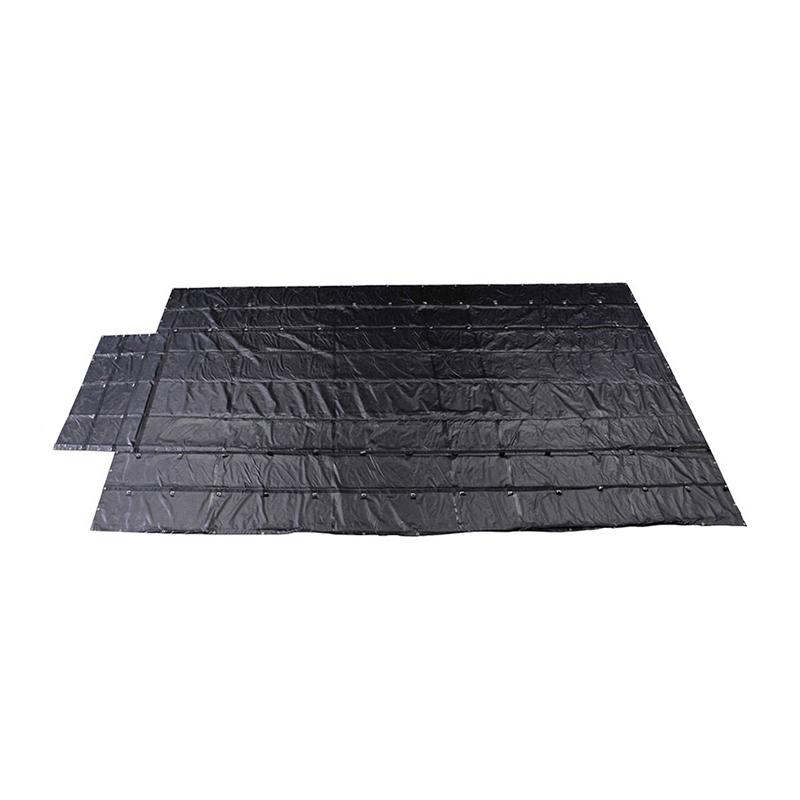
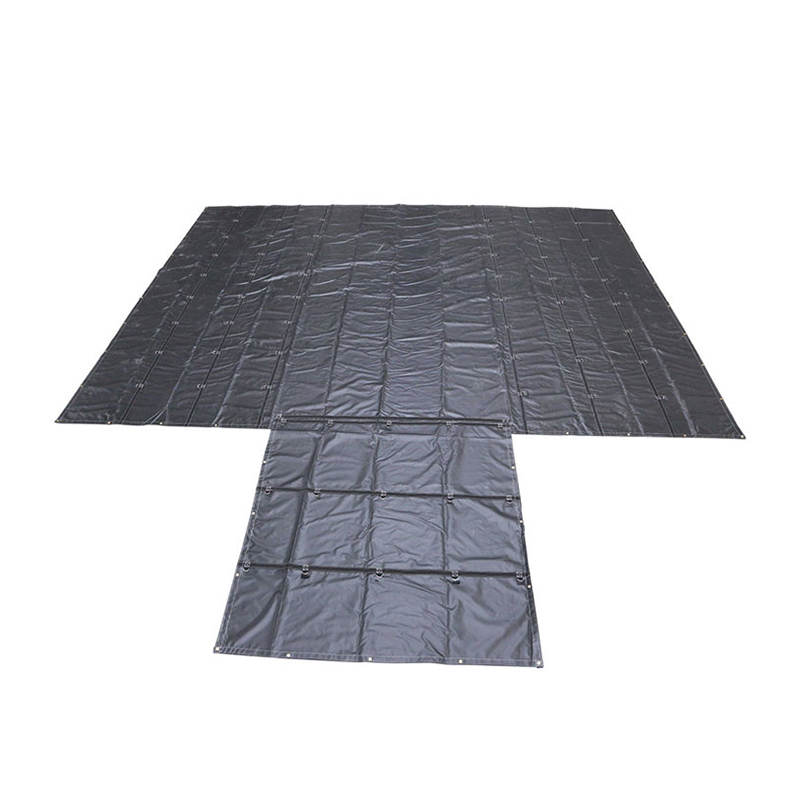
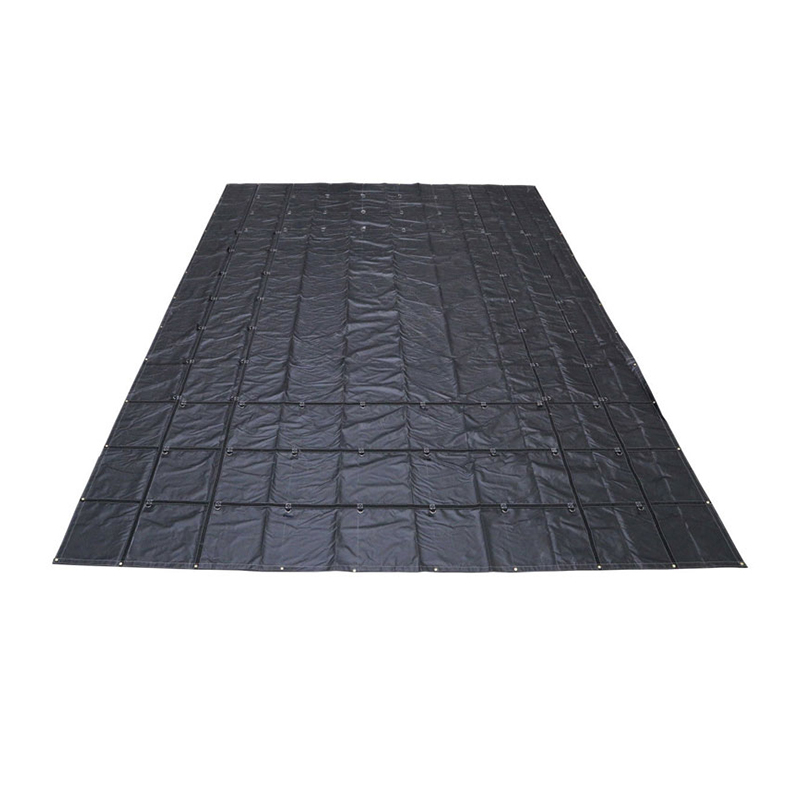
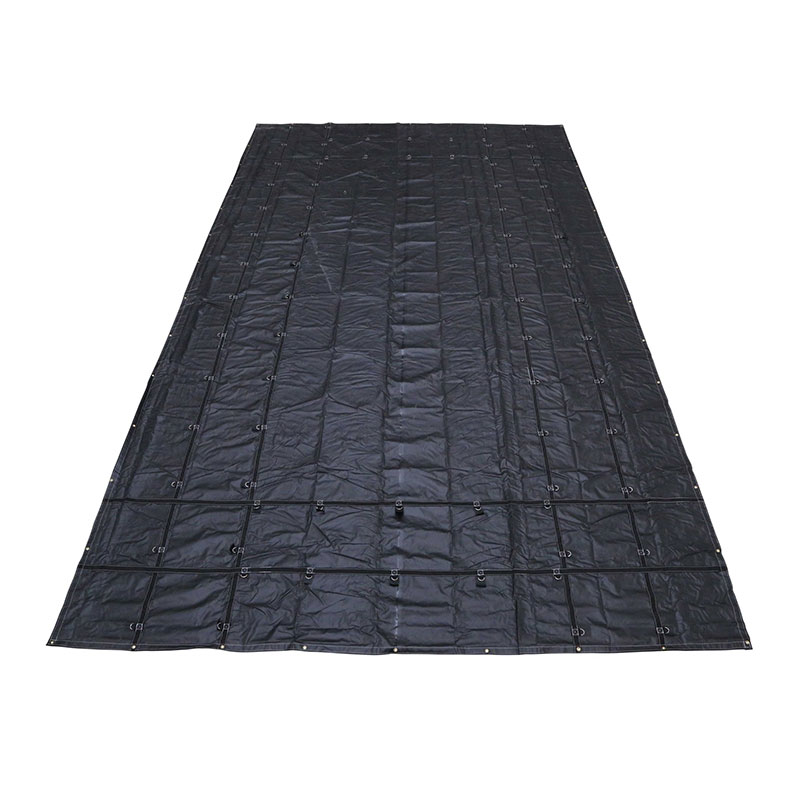


1. What Are Tarps and Why Are They Important?
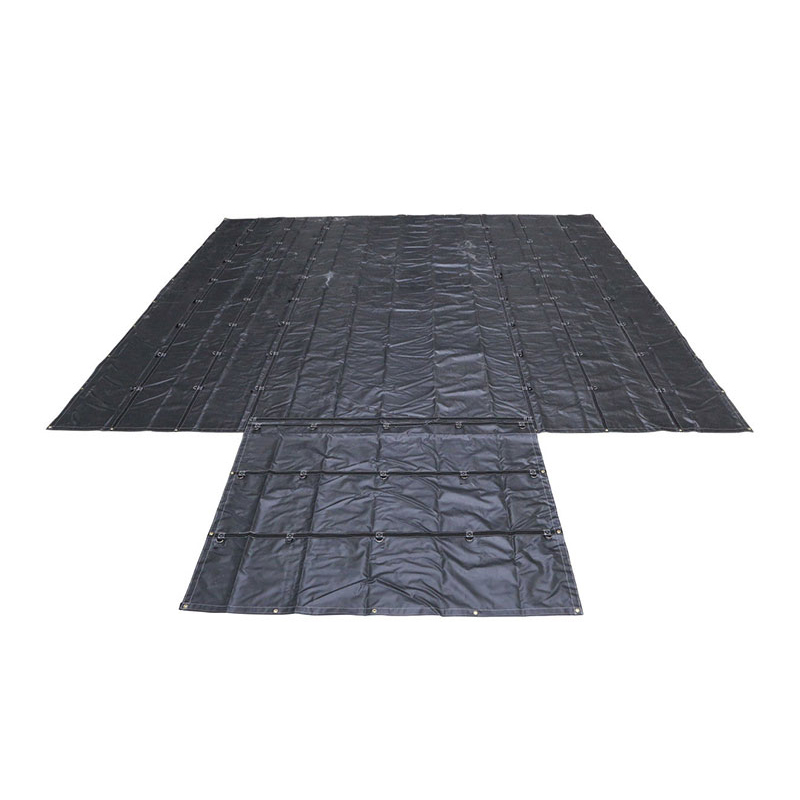
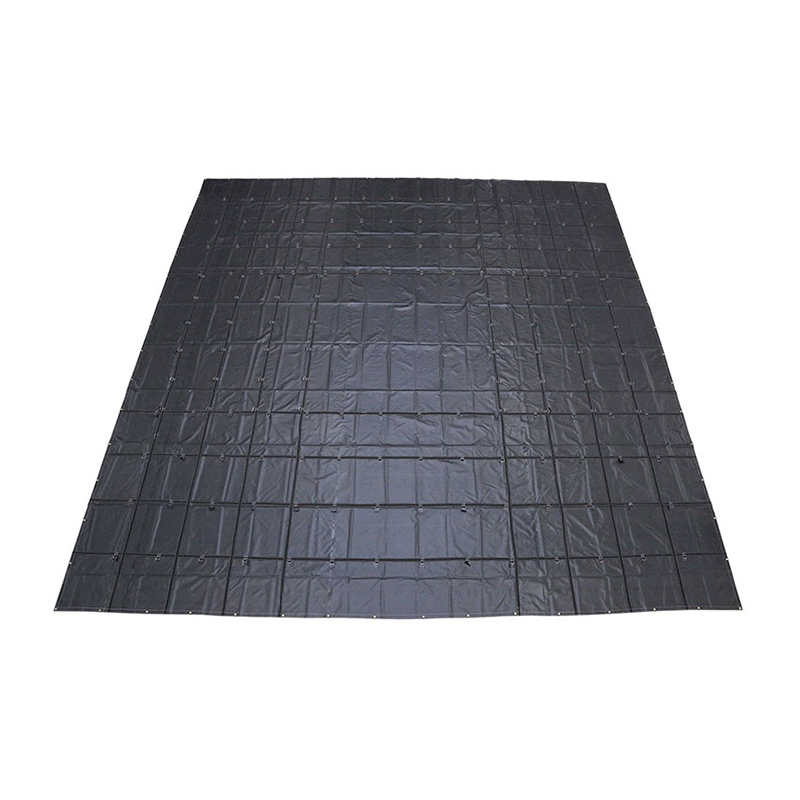
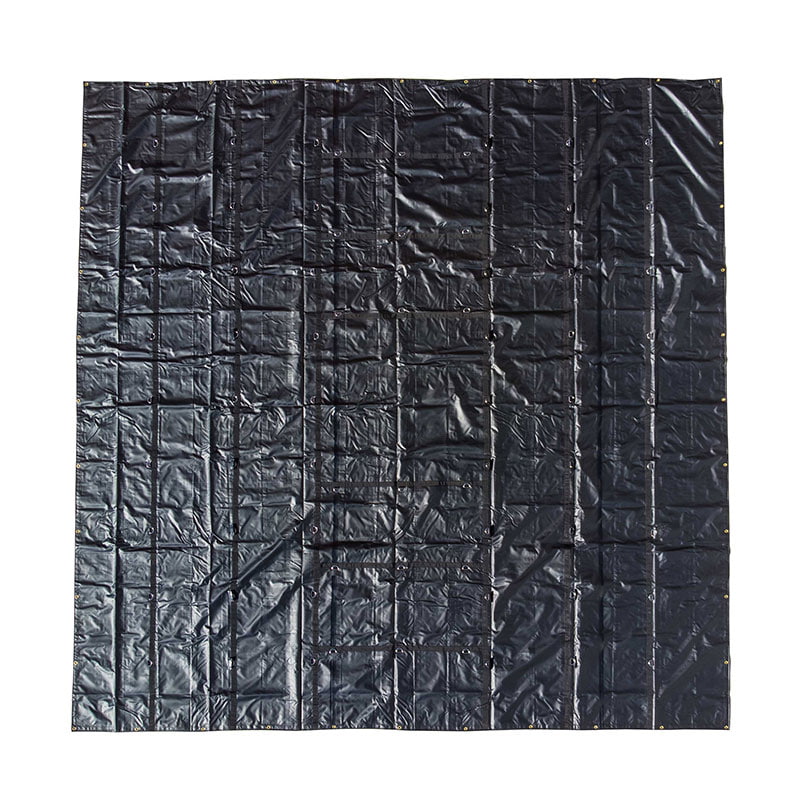
Tarps, short for tarpaulins, are versatile and durable coverings used to protect items from the elements. Typically made of waterproof materials like polyethylene or PVC, tarps are used in a variety of industries for outdoor applications, including construction, transportation, and agriculture. Their primary purpose is to shield goods, machinery, and other valuable items from rain, snow, wind, and sun damage.
In industries where exposure to the elements is unavoidable, tarps are invaluable in preserving the integrity of goods and equipment. They provide cost-effective and reliable solutions to prevent deterioration, rust, and other forms of damage that could lead to costly repairs or replacements.
2. Types of Tarps and Their Uses
(1) Polyethylene Tarps
Polyethylene tarps are one of the most commonly used types due to their durability and resistance to water. These tarps are available in various thicknesses and are ideal for covering equipment, construction sites, and agricultural products. Their lightweight nature makes them easy to handle and transport.
(2) PVC Coated Tarps
PVC-coated tarps are known for their higher durability and are often used in more demanding environments. The coating provides extra resistance to UV rays, making these tarps more suitable for long-term exposure to sunlight. PVC tarps are ideal for use in the transport industry to cover trailers and large cargo loads.
(3) Mesh Tarps
Mesh tarps are designed for ventilation and are typically used in agricultural settings. They protect crops, machinery, and other goods while allowing air to circulate, preventing moisture buildup. These tarps are highly effective in preventing mold and mildew growth while offering adequate protection from direct sunlight and rain.
3. Benefits of Using Tarps
(1) Protection from the Elements
Tarps act as a shield against rain, snow, UV rays, and dust, preventing damage to sensitive equipment or materials. In industries like agriculture, transportation, and construction, they provide an essential layer of protection that helps maintain the quality and longevity of the items being covered.
(2) Cost-Effective and Durable
Tarps are an affordable solution to safeguarding assets in outdoor environments. With the right material choice, they can last for many years without significant degradation. PVC and polyethylene tarps, for example, offer excellent durability at a fraction of the cost of custom enclosures or storage options.
(3) Versatility in Use
The versatility of tarps allows them to be used across many sectors. They can cover vehicles, goods, building materials, and even be used as ground cover for outdoor events. Whether you're storing materials on a construction site or protecting crops in an agricultural field, tarps provide adaptable, flexible solutions for your needs.
4. How to Choose the Right Tarp for Your Needs
(1) Determine the Size and Coverage Area
The first step in selecting a tarp is determining the size of the area you need to cover. Measure the width, length, and height of the items or space you're protecting to ensure the tarp will provide full coverage. Consider the tarp's shape and ensure it can be secured properly for maximum effectiveness.
(2) Choose the Right Material
Choose a material that best suits your environmental and load requirements. Polyethylene is ideal for short-term use and light loads, while PVC is more suitable for heavy-duty applications exposed to the elements for extended periods. Mesh tarps are perfect for applications where ventilation is necessary, such as protecting crops.
(3) Consider the Tarp's Weight and Durability
The durability of a tarp is influenced by its weight and construction. Heavier-duty tarps offer better protection in extreme weather conditions. Look for tarps with reinforced edges and grommets for easy securing and long-lasting performance, especially for transport and outdoor storage needs.
5. FAQ: Frequently Asked Questions About Tarps
(1) Can tarps be used for long-term outdoor storage?
Yes, tarps can be used for long-term outdoor storage. However, it’s essential to choose a high-quality tarp made of durable materials like PVC or polyethylene for long-term exposure. Ensure the tarp is securely fastened to prevent wind damage and degradation from prolonged sun exposure.
(2) How do I maintain my tarp?
To maintain your tarp, regularly clean it to remove dirt, debris, and other substances that can degrade the material. If it is exposed to harsh weather, inspect it for any tears or holes. Store the tarp in a dry, cool location when not in use to prevent mold growth.
(3) Are tarps waterproof?
Yes, most tarps, especially those made from polyethylene or PVC, are waterproof and provide reliable protection from rain and moisture. For long-term outdoor protection, ensure you select a tarp designed for outdoor use and that offers UV protection to prevent wear from prolonged sun exposure.