
 English
 Español
 عربى
عربى 中文简体
中文简体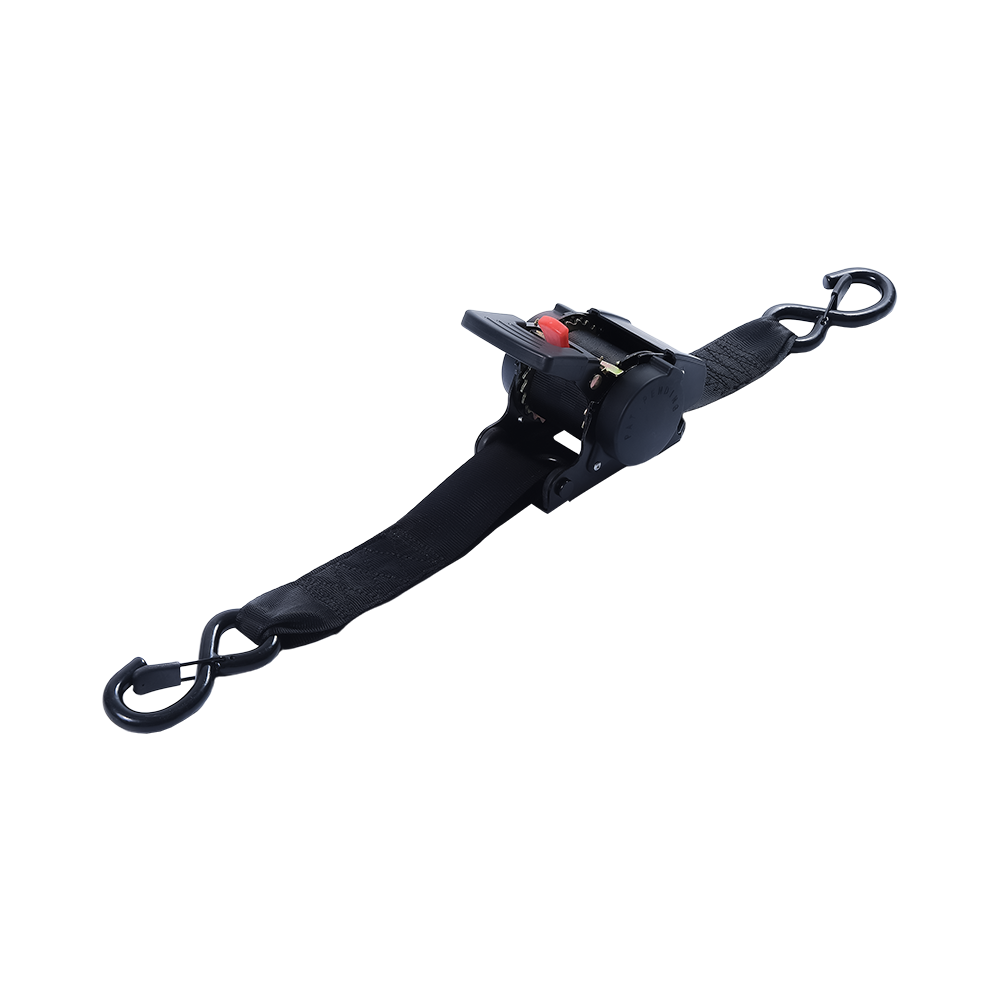



1. What is a Lashing Winch?
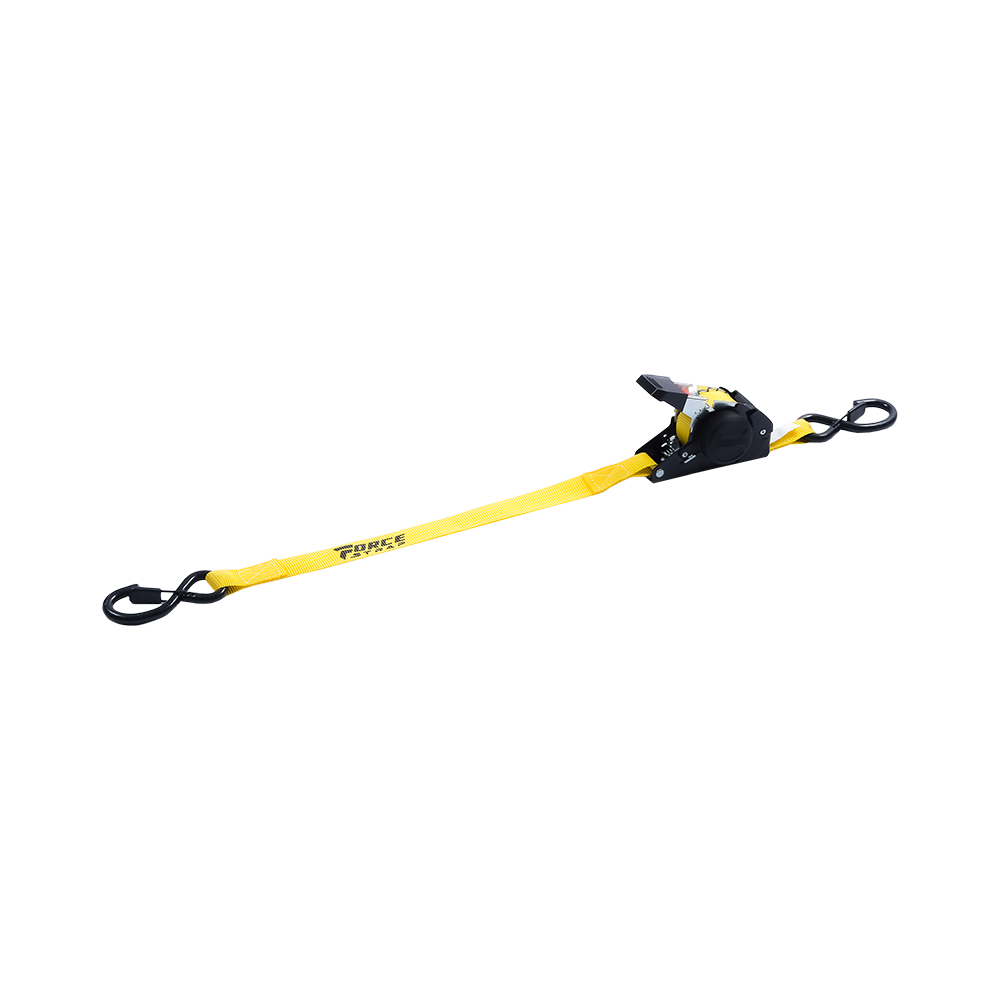
A **lashing winch** is a tool used for securing cargo or loads during transport. The lashing winch utilizes a strong, durable webbing strap, often made from polyester or similar materials, to tie down and secure heavy or bulky items in place. These winches are widely used in industries like shipping, logistics, and transportation, where securing cargo during transit is crucial to ensure safety and prevent damage. The winch uses a winding mechanism to tighten the strap and hold the load in place until the destination is reached.
2. How Does a Lashing Winch Work?
A lashing winch works by using a combination of a mechanical winch mechanism and a webbing strap. First, the webbing strap is connected to an anchor point on the load. The other end of the webbing is attached to the winch, which uses a spool or drum to wind and tighten the strap. This process creates tension on the webbing, effectively securing the load. Most lashing winches include a ratchet or locking mechanism to ensure that the strap stays tight and does not loosen during transit.
3. Benefits of Using a Lashing Winch
- High Strength and Durability: Lashing winches use strong materials like polyester webbing, ensuring the winch can handle heavy loads without failure.
- Safety: A lashing winch ensures that cargo is securely fastened, reducing the risk of shifting, falling, or causing accidents during transport.
- Ease of Use: Lashing winches are relatively easy to operate. The winding mechanism allows users to quickly secure and release cargo, making the process faster and more efficient.
- Prevents Damage: The webbing used in lashing winches is softer than metal chains, preventing scratches or abrasions on sensitive cargo.
- Versatile: These winches can be used for a variety of applications, including securing cargo on trucks, trailers, and ships.
4. How to Choose the Right Lashing Winch
Choosing the right lashing winch for your needs requires careful consideration of several factors:
- Load Capacity: Ensure the winch you choose is capable of securing the weight of the cargo you're transporting. Always check the winch's load rating.
- Webbing Material: The material of the webbing is important for durability. Polyester is a common choice because of its resistance to wear and UV degradation.
- Winch Type: Lashing winches come in different types, such as manual and powered versions. The manual versions are more common, but powered versions are available for heavy-duty tasks.
- Winch Size: Make sure the winch fits the size of your vehicle or transport unit. A larger winch may be needed for heavy loads, while smaller ones are sufficient for lighter items.
- Ease of Operation: Look for features like a ratchet or locking mechanism, which help keep the strap tight and secure throughout transit.
5. FAQ: Frequently Asked Questions
(1) What is the difference between a lashing winch and a traditional ratchet strap?
The key difference is that a lashing winch uses a winch mechanism with a spool or drum to wind the webbing and apply tension. Traditional ratchet straps rely solely on the ratchet mechanism to tighten the strap. Lashing winches typically provide more control over the tension and are better suited for heavier loads.
(2) Can lashing winches be used for all types of cargo?
Yes, lashing winches are versatile and can be used for a wide range of cargo, including heavy machinery, vehicles, and construction materials. It's important to choose the right winch based on the size and weight of the cargo being transported.
(3) Are lashing winches difficult to use?
No, lashing winches are relatively easy to use. They have a straightforward mechanism where you attach the webbing to the load and use the winch to tighten the strap. Most models come with a ratchet or lock to ensure the tension is maintained during transport.
(4) How do I maintain my lashing winch?
Maintaining a lashing winch involves regular inspection of the webbing for any signs of wear, tears, or fraying. The winch mechanism should be kept clean and lubricated to prevent rust or debris buildup. Store the winch in a dry, clean place to extend its lifespan.