
 English
 Español
 عربى
عربى 中文简体
中文简体


1. Introduction to Tensioner Turnbuckles
A tensioner turnbuckle is a robust and durable device used to adjust the tension of ropes, cables, or rods. It is an essential component in construction, marine, and industrial applications where precise tension control is necessary. Made from high-strength steel, tensioner turnbuckles are designed to handle heavy-duty tasks, ensuring stability and safety in various environments.
2. Key Features of Tensioner Turnbuckles
(1) Material and Durability
The body of a tensioner turnbuckle is made from high-strength forged steel, providing durability and resistance to heavy forces. The device is coated with a corrosion-resistant galvanized or black coating to ensure it withstands exposure to the elements, including harsh weather conditions, making it suitable for both outdoor and marine environments.
(2) Design and Functionality
The turnbuckle features a streamlined cylindrical shape with sturdy end fittings, such as eye bolts, hook eyes, or jaw ends, to ensure a secure connection. The key components include a reverse-threaded rod, a central rotating body with internal threads for precise adjustment, and optional locking nuts for added stability. This design allows for the precise tightening or loosening of cables or rods, ensuring optimal tension is maintained.
(3) Load Capacity and Applications
Tensioner turnbuckles come in various load capacities, ranging from 0.5 to 20 tons, to accommodate different applications. These turnbuckles are commonly used in conjunction with steel wire ropes, chains, or shackles to provide reliable tension control for structures, rigs, and other industrial machinery. Their versatility makes them ideal for use in a wide range of environments, including construction, shipping, and offshore operations.
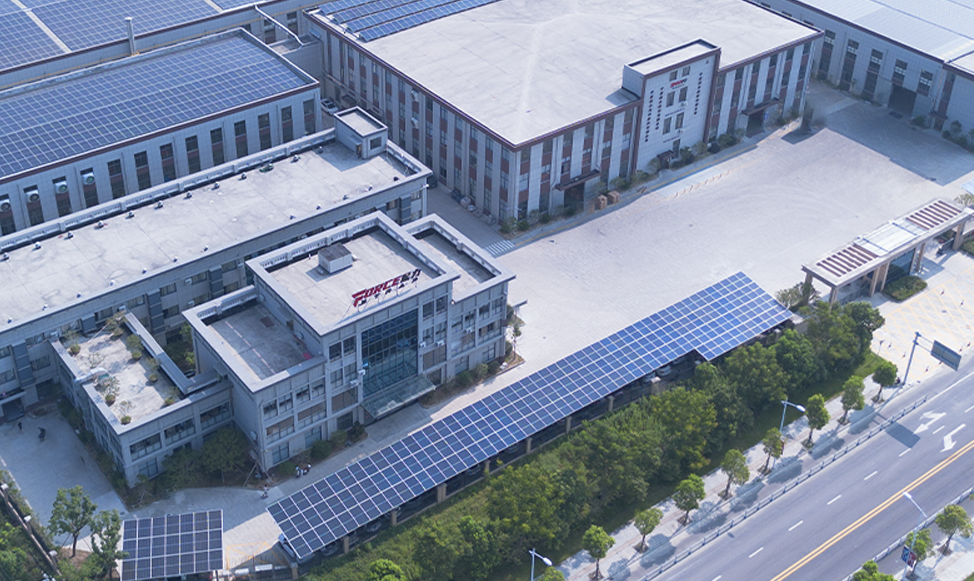
3. Ningbo Force Auto Parts Co., Ltd. Overview
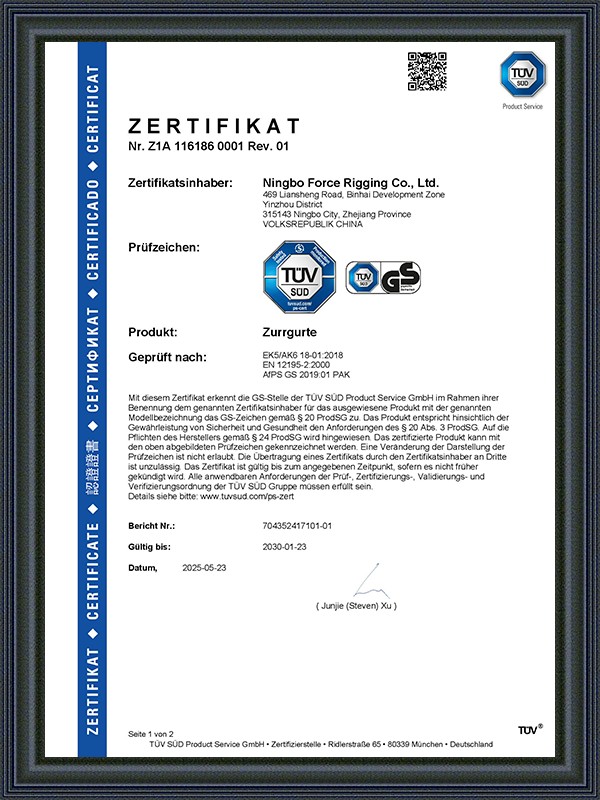
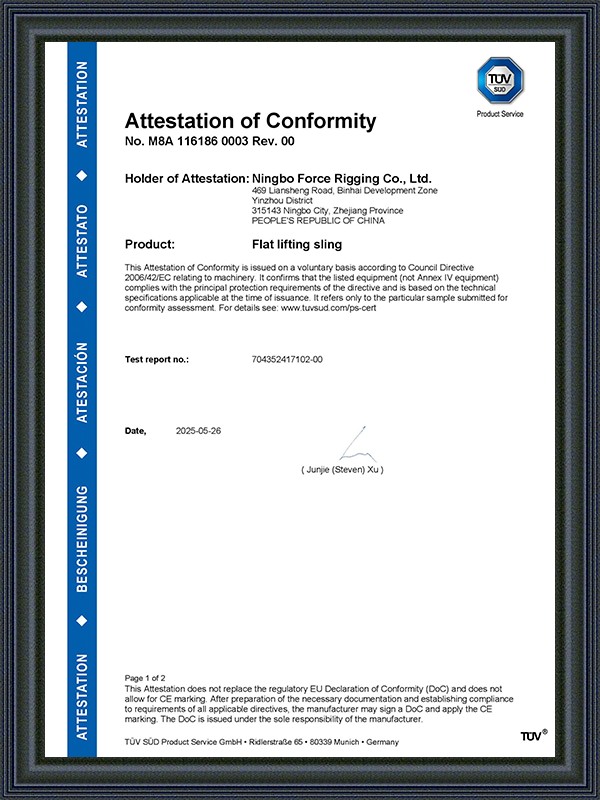
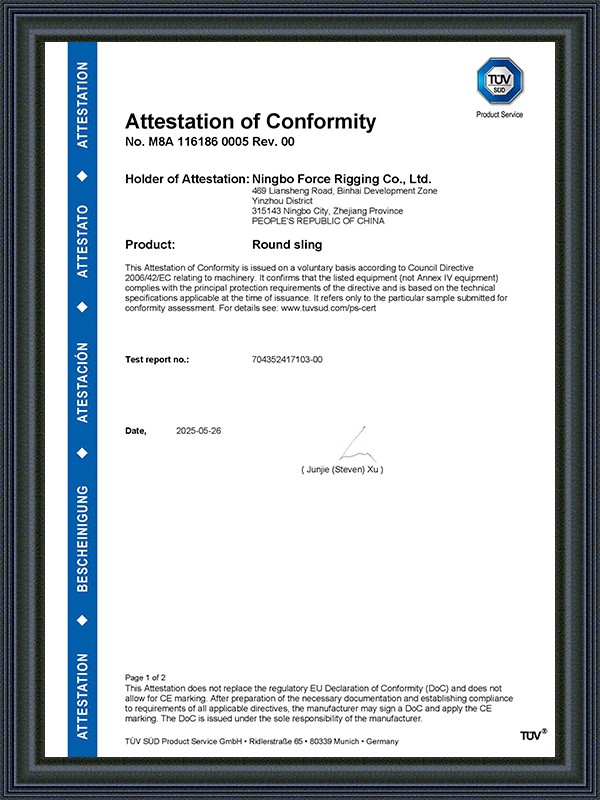
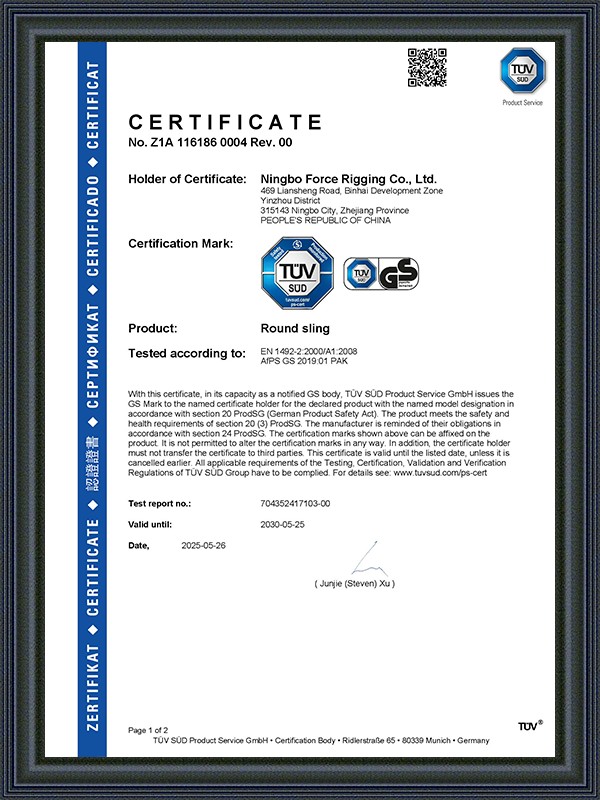
Ningbo Force Auto Parts Co., Ltd. has established a comprehensive one-stop production system, equipped with advanced facilities and intelligent production lines. This enables us to efficiently manage large-scale production tasks while strictly controlling every aspect, from raw material procurement and processing to final product inspection. With years of experience in the industry, we are committed to producing high-quality components such as Tie Down Straps, Hardware, Lifting Slings, Tarps, and Corner Protectors for industries like transportation, agriculture, construction, and energy.
4. FAQ
(1) What materials are tensioner turnbuckles made from?
Tensioner turnbuckles are typically made from high-strength forged steel, which is heat-treated for enhanced durability. They are also coated with a corrosion-resistant layer of galvanization or black coating to ensure long-lasting performance in harsh environments.
(2) How does the tensioning mechanism work?
The tensioning mechanism relies on a reverse-threaded rod and a central rotating body with internal threads. By rotating the central body, the tension of the cable or rod is either increased or decreased, allowing for precise control over the tension.
(3) What is the load capacity of a tensioner turnbuckle?
Tensioner turnbuckles come in various sizes with load capacities ranging from 0.5 tons to 20 tons. It is essential to choose a turnbuckle with a load capacity that matches or exceeds the load requirements of the application to ensure safety and reliability.
(4) Can tensioner turnbuckles be used in marine environments?
Yes, tensioner turnbuckles are often used in marine environments, especially those with a galvanized or black-coated finish, which provides excellent resistance to corrosion caused by saltwater exposure.
(5) How do I adjust the tension on a turnbuckle?
The tension is adjusted by rotating the central body of the turnbuckle, which moves the reverse-threaded rod, either tightening or loosening the tension on the attached cable or rod. This mechanism allows for fine-tuned adjustments to meet specific tension requirements.
(6) What applications are best suited for tensioner turnbuckles?
Tensioner turnbuckles are commonly used in applications such as construction, marine rigging, shipping, and offshore operations, where precise control of tension is crucial. They are also used for securing cables and rods in various industrial machinery and structural support systems.