
 English
 Español
 عربى
عربى 中文简体
中文简体



1. Introduction to Shackles
A shackle is a high-strength, versatile metal connector commonly used in lifting, towing, and securing applications. It is made from high-quality alloy steel and is forged and heat-treated to ensure exceptional strength and durability. Shackles are vital components in many industries, including construction, shipping, and manufacturing, due to their ability to withstand heavy loads and extreme conditions.
2. Key Features of Shackles
(1) Material and Durability
Shackles are made from high-quality alloy steel, which undergoes a forging process and heat treatment to provide exceptional strength and resistance to wear. This makes them capable of handling significant loads without failure. The surface of the shackle is coated with galvanization or powder coating to enhance its corrosion resistance, making it suitable for use in harsh environments, such as marine, offshore, and construction sites.
(2) Design and Functionality
Shackles come in two main designs: bow-shaped and D-shaped. The bow-shaped shackle is ideal for applications that require a wider load distribution, while the D-shaped shackle is more compact and is often used for lifting or securing equipment. Shackles are designed with either a bolt or pin connection for easy assembly and secure operation. They conform to international standards, ensuring safety, reliability, and ease of use.
(3) Load Capacity and Versatility
Shackles are available in a wide range of load capacities, from 0.5 tons to 200 tons, catering to various applications. This extensive range allows for the use of shackles in different industries, from light-duty lifting tasks to heavy-duty towing and construction work. Their adaptability and robust design make them suitable for many applications, ensuring they can be relied upon in various industrial, commercial, and recreational settings.
3. Ningbo Force Auto Parts Co., Ltd. Overview
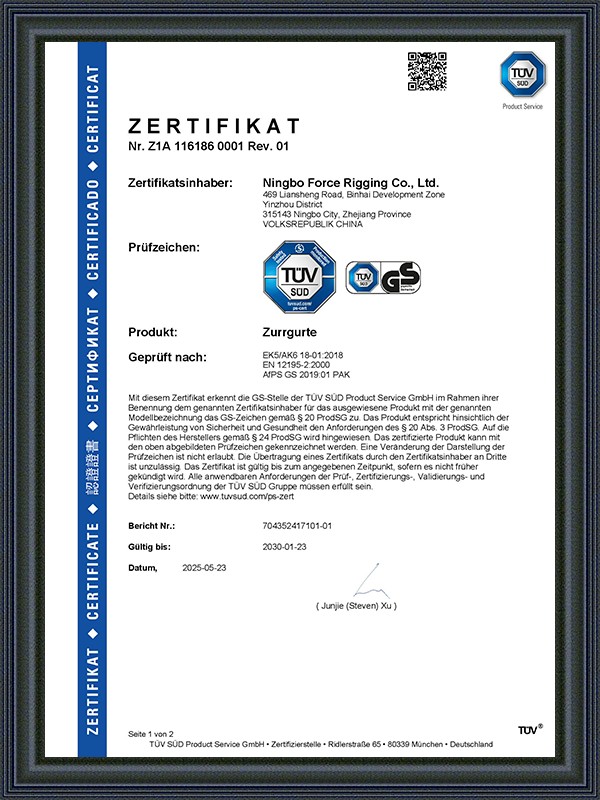
Ningbo Force Auto Parts Co., Ltd. has established a comprehensive one-stop production system, equipped with advanced facilities and intelligent production lines. This enables us to efficiently manage large-scale production tasks while strictly controlling every aspect, from raw material procurement and processing to final product inspection. The company has grown significantly from its 1,000㎡ startup in 2008 to a 30,000㎡ modern production base by 2025, delivering 12 million high-quality pieces annually. We offer a wide range of products, including Tie Down Straps, Hardware, Lifting Slings, Tarps, and Corner Protectors, catering to industries such as transportation, agriculture, construction, and energy.
4. FAQ
(1) What materials are shackles made of?
Shackles are made from high-quality alloy steel, which is forged and heat-treated to provide superior strength. Some shackles are also coated with galvanization or powder coating to improve corrosion resistance, especially in outdoor or marine environments.
(2) What is the difference between a bow-shaped and D-shaped shackle?
A bow-shaped shackle has a wider body that allows for a more even distribution of the load, making it suitable for heavier lifting tasks. A D-shaped shackle, on the other hand, is more compact and is often used for smaller lifting applications where space is limited.
(3) How do I determine the load capacity of a shackle?
The load capacity of a shackle is usually stamped on the body of the shackle itself or specified in the product’s technical datasheet. It is important to select a shackle with a load capacity that exceeds the weight of the load being lifted or secured to ensure safety.
(4) Can shackles be used outdoors?
Yes, shackles can be used outdoors, particularly those that are galvanized or powder-coated. These coatings provide additional protection against the elements, such as rain and saltwater, which could cause corrosion over time.
(5) Are shackles suitable for marine use?
Yes, shackles are often used in marine environments. Stainless steel or galvanized shackles are specifically designed for marine use because they are resistant to rust and corrosion caused by saltwater exposure.
(6) How do I maintain shackles?
To maintain shackles, inspect them regularly for signs of wear, corrosion, or damage. Clean them after each use to remove dirt and moisture, especially if they have been exposed to saltwater. Apply a rust inhibitor to prevent corrosion and replace any shackles that show significant wear or damage.