Ningbo Force Auto Parts Co., Ltd.
- joe@forcerigging.com
- +86-18650363763
Ningbo Force Auto Parts Co., Ltd.
A ratchet tie down strap secures cargo by combining a webbing strap with a mechanical ratchet handle that tightens the strap through repeated lever motion, allowing far higher tension than a hand-pulled cam buckle strap can achieve. The direct answer for beginners: for heavy or shifting loads such as machinery, lumber, or vehicles on a trailer, a ratchet strap is the correct choice because it locks tension mechanically and holds that tension through vibration and road movement, while a cam buckle strap is better suited to lighter, non-shifting loads where speed of use matters more than maximum holding force. This guide walks through how ratchet straps work, how to thread and release them correctly, how much strength different strap types provide, and how to choose the right configuration for trucks, trailers, and motorcycles.
Content
A ratchet tie down strap operates on a simple lever-and-spool principle. The ratchet mechanism contains a spool that the webbing wraps around, and a handle that pivots a gear inside the housing. Each time the handle is pulled and pushed back down, the gear rotates the spool a small amount further, winding in slack and increasing tension on the strap. A locking pawl inside the mechanism prevents the spool from spinning backward between strokes, which is what allows the strap to hold mechanical tension indefinitely once the handle is closed and latched flat against the housing.
This design is why ratchet straps can typically generate far greater working load limits than straps tightened by hand alone. A standard cam buckle relies entirely on friction between the webbing and the buckle plate, so the achievable tension is limited by how hard a person can pull the loose end. A ratchet mechanism instead converts repeated short lever strokes into mechanical advantage, which is the same principle used in many hand tools, so the operator's strength is multiplied several times over with each ratcheting motion.
Learning how to thread a ratchet tie down strap correctly is the most common skill beginners need to practice before their first haul. The loose end of the webbing feeds through the slot in the ratchet spool, not around the outside of it, and should be pulled through until there is only a small amount of slack remaining before the handle is engaged. Threading the strap the wrong direction around the spool is one of the most frequent setup mistakes, and it can cause the webbing to bind, twist, or fail to wind evenly as the handle is operated.
Once threaded, the handle should be opened fully and worked up and down in smooth, complete strokes. Each stroke should wind a consistent amount of webbing onto the spool, and the webbing should lie flat without overlapping layers, since uneven winding creates weak points and inconsistent tension across the strap. When the desired tension is reached, the handle is folded all the way back down and locked into its closed position against the housing, which engages the safety catch that prevents accidental release during transport.
Knowing how to undo a ratchet tie down safely matters just as much as knowing how to tighten one, because a strap under heavy tension can snap back forcefully if released incorrectly. The proper release method starts by opening the handle fully away from the housing, which disengages the primary locking pawl. On most ratchet designs, a smaller secondary release lever or catch near the gear must then be pressed or pulled to free the spool completely, allowing the webbing to be pulled back out by hand.
Before releasing any ratchet strap, it is worth checking that the cargo is otherwise stable and that no part of the body is positioned directly in the path the handle or webbing will move through, since stored tension can release suddenly. If the ratchet feels jammed or difficult to open, working the handle gently rather than forcing it usually resolves the issue, and applying light tension first by closing the handle partway before reopening it can help free a stuck pawl.
A common beginner question is whether cam buckle straps are better than ratchet straps, and the honest answer depends entirely on the load. Cam buckle straps tighten by hand and rely on friction to hold tension, which makes them faster to use and gentler on lighter or fragile cargo, but they generally cannot match the working load limit of a ratchet strap. Ratchet straps take slightly longer to set up but deliver substantially more holding force, which is why they are the standard choice for heavier or higher-risk loads such as vehicles, machinery, and large furniture.
The radar chart below compares these two strap types across five practical criteria that matter most to everyday users, based on typical performance characteristics of each mechanism.
As the chart shows, ratchet straps score noticeably higher on holding force, heavy load suitability, and tension control, which is exactly why they dominate trailer and truck cargo applications. Cam buckle straps come out ahead on speed of use, beginner ease, and gentleness on cargo, making them a reasonable choice for softer goods, light moving boxes, or situations where a load needs to be secured and released repeatedly throughout the day.
Every tie down strap heavy duty rating is built around two related numbers: the working load limit, which is the maximum tension the strap is rated to hold during normal use, and the break strength, which is the point at which the webbing or hardware is expected to fail under test conditions. Industry practice generally sets the working load limit at roughly one-third of the rated break strength, which builds in a safety margin to account for wear, dynamic loading from road vibration, and minor imperfections that develop over the life of the strap, a standard reflected in guidance published by the Web Sling and Tie Down Association (WSTDA).
Webbing width and material thickness are the primary factors that determine these ratings. A wider strap distributes tension across more fibers, which increases both break strength and working load limit, while strap length has comparatively little effect on strength as long as the webbing itself is undamaged. The table below outlines typical working load limit ranges across common strap widths used in trailer, truck, and motorcycle applications.
| Webbing Width | Typical Working Load Limit | Common Use |
|---|---|---|
| 1 inch | 300 to 500 lbs | Motorcycle and light cargo |
| 1.5 inch | 650 to 1,000 lbs | Furniture and general moving |
| 2 inch | 1,000 to 1,667 lbs | Truck and trailer cargo |
| 3 inch | 2,500 to 5,000 lbs | Heavy equipment and flatbed loads |
| 4 inch | 5,000+ lbs | Heavy machinery and oversized loads |
A frequent concern among new users is why tie down straps loosen during a drive even after being ratcheted down firmly at the start of a trip. The main causes are cargo settling as loose packing material compresses, webbing stretch under sustained load, vibration working tension out of the ratchet gear over time, and temperature changes that affect webbing tension slightly as the material expands or contracts. Synthetic webbing such as polyester does stretch a small amount under load, and this compression tension relationship between the cargo and the strap means that a strap which felt fully tight at the start of a trip can read noticeably looser after the first few miles of road vibration.
The line chart below illustrates a representative pattern of strap tension loss over the first hours of highway travel, showing why a mid-trip tension check is one of the most effective habits a beginner can adopt.
Most tension loss happens within the first hour of travel, after which the rate of loosening slows considerably as the cargo and webbing settle into a stable position. This pattern is the reason experienced haulers stop and re-tension straps after the first short stretch of driving, since catching that initial drop early prevents it from compounding into a genuinely loose load later in the trip.
Beyond normal tension loss, cargo straps can also slip if the load itself is not positioned correctly or if the strap path allows the webbing to shift sideways across an edge. Using corner protectors at sharp edges keeps the webbing from cutting into itself or sliding off a corner, while routing straps through stable contact points rather than across smooth or rounded surfaces reduces lateral movement. Crossing two straps in an X pattern over a load that could shift in multiple directions is a simple technique that significantly improves stability compared with parallel straps running the same direction.
Friction-reducing surfaces on a trailer bed, such as wet wood or polished metal, are another common cause of slipping cargo even when the strap tension itself is adequate. In these cases, adding a non-slip mat or directly anchoring the load against a fixed point in addition to strap tension provides a more reliable hold than relying on strap tension and force alone to keep heavy items from sliding during cornering or braking.
A frequent beginner question is how many motorcycle tie down straps are needed for a single bike during transport. Most setups use four straps total, with two positioned at the front to control fore-and-aft movement and handlebar sway, and two at the rear to stabilize the back of the frame or swingarm against side-to-side motion. This four-point configuration distributes load in multiple directions and prevents the bike from tipping or shifting even under the lateral forces generated during turns or sudden braking.
For general moving tasks, the right strap size depends on the weight and shape of the furniture being secured rather than a single fixed answer. Lighter items such as boxed furniture or appliances are often manageable with narrower webbing, while bulky or heavy pieces like dressers, large appliances, or cabinetry benefit from wider trailer tie down straps that distribute tension across a broader contact area and reduce the risk of the webbing digging into the surface of the item being moved.
The bar chart below shows a representative breakdown of how ratchet strap usage is typically distributed across common applications, which is useful context when deciding how many straps and what hardware configuration to keep on hand.
Truck and trailer cargo represents the largest application category, which lines up with the heavy-duty load limits that ratchet straps are designed to provide. Motorcycle transport and furniture moving follow as the next most common uses, both of which benefit from the controlled, even tension that a ratchet mechanism delivers compared with hand-tightened alternatives.
Tie down straps can absolutely be used on roof racks, provided the rack crossbars and the vehicle's structural anchor points are rated for the weight being carried, since the strap itself is only as effective as the anchor it is connected to. When securing items to a roof rack, routing the strap around the crossbar rather than through a plastic clip or accessory mount distributes force into the load-bearing part of the rack system rather than a component that may not be designed to handle direct tension.
For enclosed trailers and cargo vans, e track accessories provide a flexible alternative to fixed anchor points. An E track system consists of a slotted metal rail mounted to the trailer wall or floor, into which various fittings such as O-rings, D-rings, or strap end hardware can be inserted and locked at virtually any point along the rail. This allows tie down points to be repositioned based on the size and shape of each load, which is particularly useful for businesses that haul varied cargo and need adjustable anchor locations rather than a fixed set of bolted tie down points.
The performance and longevity of any ratchet strap depends heavily on the quality of the webbing material, the precision of the stitching pattern, and the durability of the hardware used in the ratchet housing and hooks. Webbing woven from high-tenacity polyester resists stretch and abrasion better than lower-grade alternatives, while properly hardened steel hardware resists deformation under repeated heavy loading far better than softer or thinner stamped components. Buyers sourcing tie down straps heavy duty enough for commercial transport should look for documented compliance with recognized strength and quality standards rather than relying on labeling alone.
Ningbo Force Auto Parts Co., Ltd. has grown from a 1,000 square meter startup in 2008 into a 30,000 square meter production base that delivers approximately 12 million pieces annually, operating as a China-based OEM and ODM manufacturer of boat and motorcycle tie down straps along with related hardware, lifting slings, tarps, and corner protectors. The company's products carry CE, S-mark, GS, and ISO 9001:2015 certifications, and as a member of the Web Sling and Tie Down Association the company participates in the same industry standards framework that informs working load limit and break strength guidance referenced throughout this article. This manufacturing scale and certification base supports OEM and ODM programs across transportation, agriculture, construction, and energy sector applications that require consistent, verifiable strap performance.
|
Q1: How do ratchet tie down straps work? A ratchet handle pivots a gear that winds webbing onto a spool with each stroke, and a locking pawl holds that tension in place until the handle is released. |
Q2: What is the strongest tie down strap? Wider webbing made from high-tenacity polyester with hardened steel hardware generally provides the highest working load limit and break strength. |
|
Q3: How do you release a ratchet strap? Open the handle fully to disengage the main pawl, then press or pull the secondary release catch near the gear to free the spool and pull the webbing out. |
Q4: Why do tie down straps loosen? Cargo settling, webbing stretch, road vibration, and temperature changes all contribute to gradual tension loss, especially within the first hour of travel. |
|
Q5: Can tie down straps stretch over time? Yes, polyester webbing stretches slightly under sustained load, which is why straps benefit from a tension check partway through a long trip. |
Q6: How many straps for a motorcycle? Most setups use four straps, two at the front and two at the rear, to control movement in multiple directions during transport. |
|
Q7: What size straps for moving furniture? Lighter boxed items suit narrower webbing, while heavy pieces like dressers or appliances are better secured with wider straps that spread tension more evenly. |
Q8: Are cam buckle straps better than ratchet straps? Cam buckles are faster and gentler for light loads, but ratchet straps provide significantly more holding force for heavier or shifting cargo. |
|
Q9: How to stop cargo straps from slipping? Use corner protectors, cross straps in an X pattern over loads that can shift sideways, and avoid routing webbing across smooth or rounded edges. |
Q10: Can tie down straps be used on roof racks? Yes, as long as the rack crossbars and anchor points are rated for the load, with the strap routed around the structural crossbar rather than a plastic clip. |
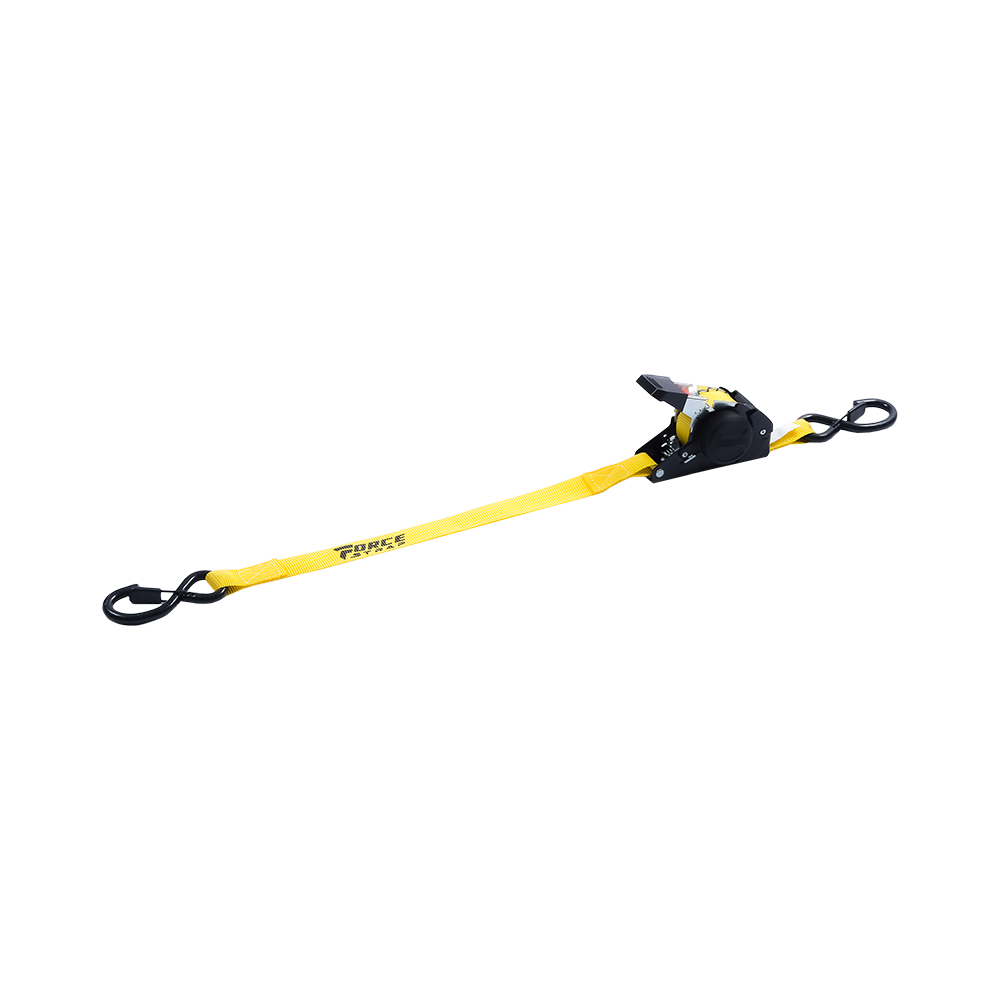
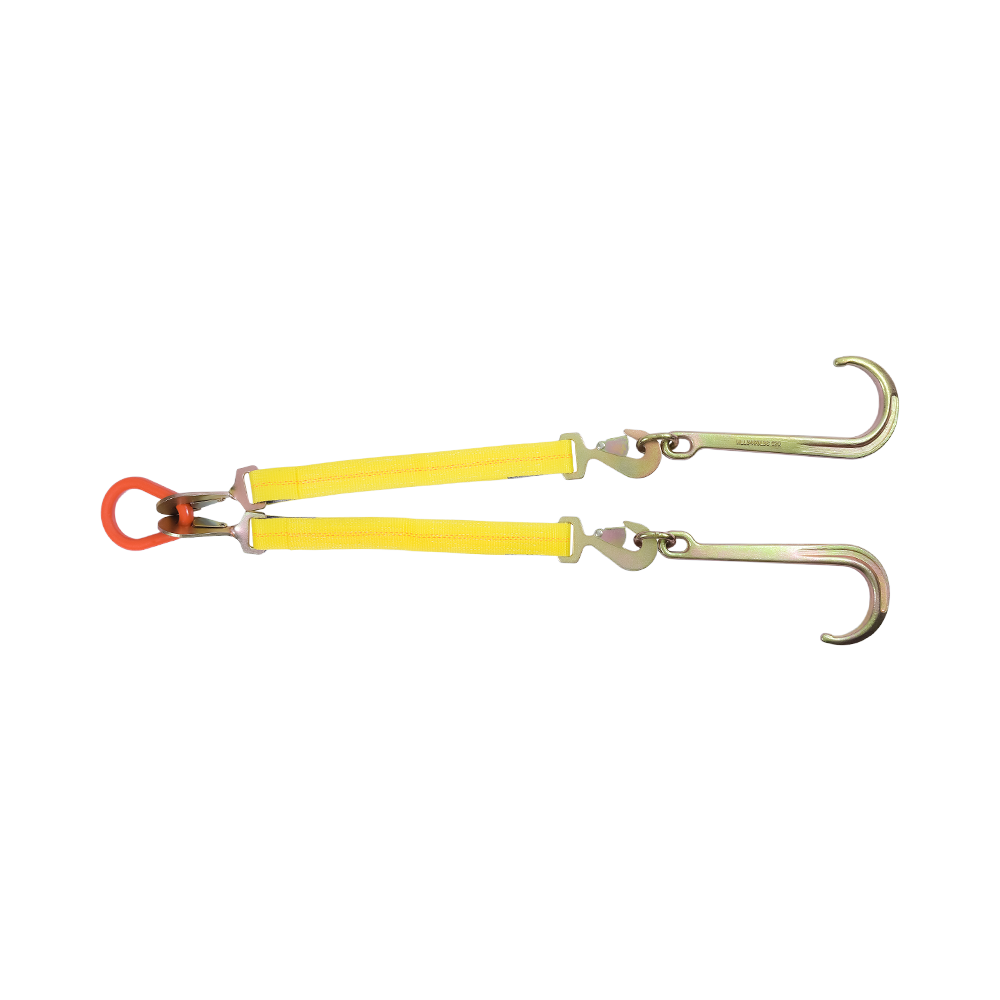
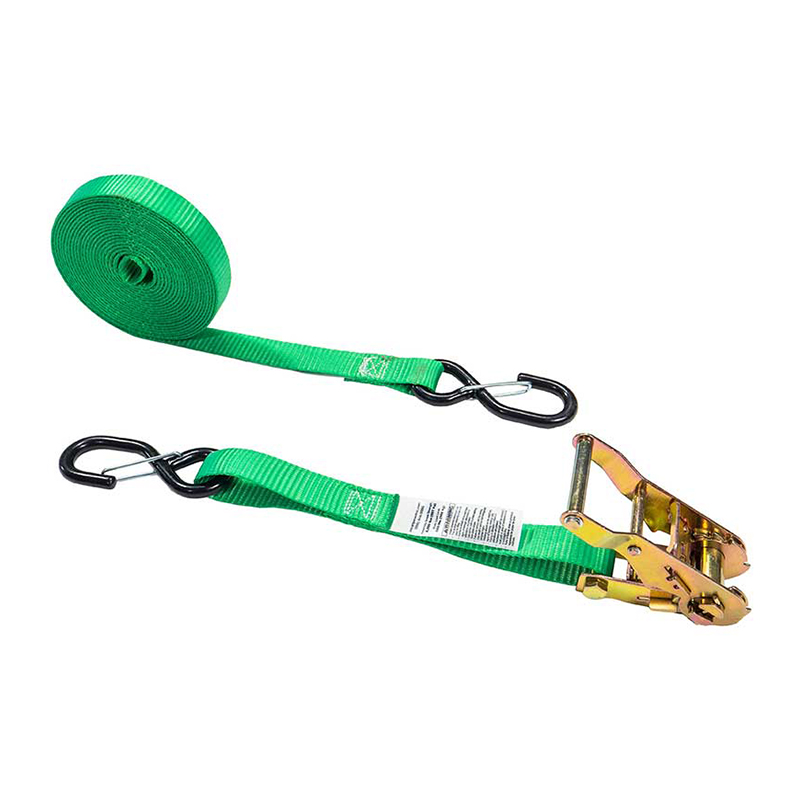
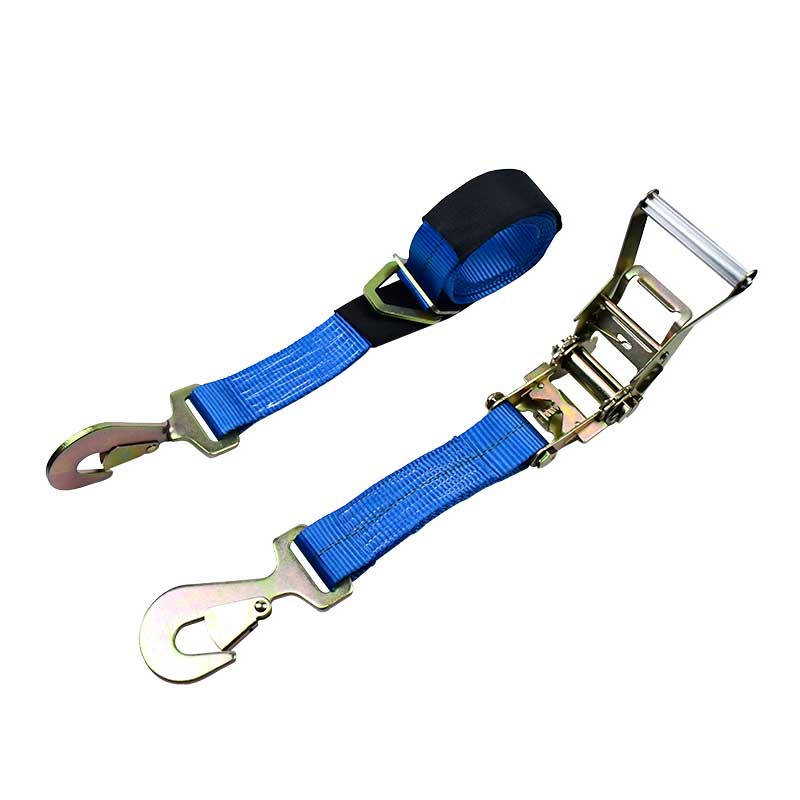
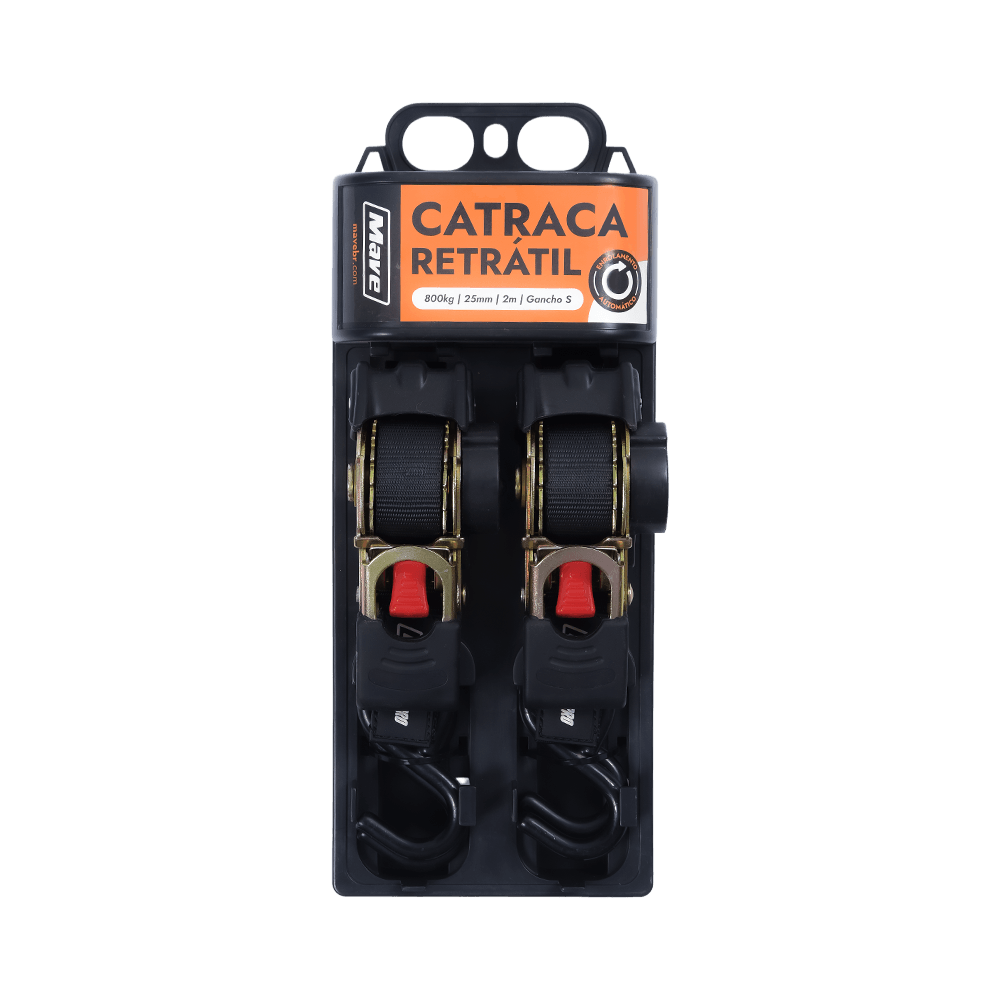
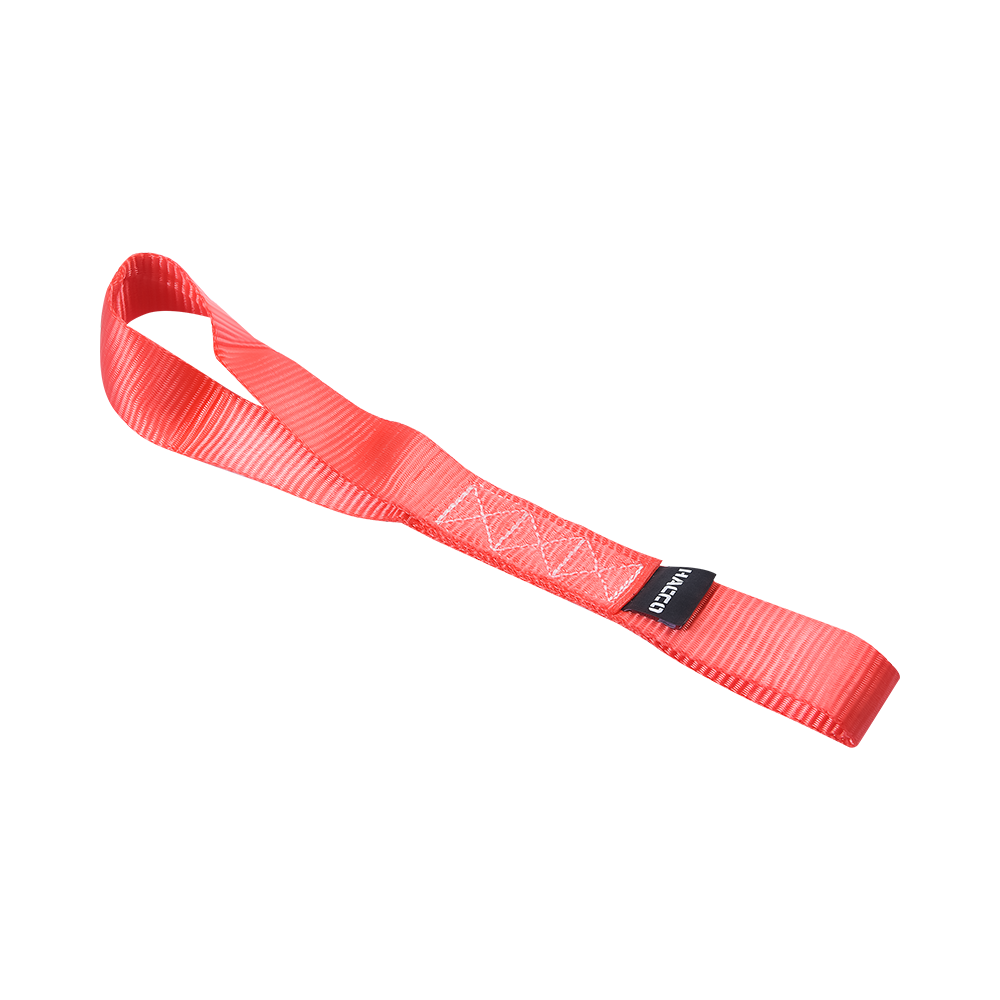

The company specialises in the field of logistics transportation,cargo control,lifting and hoisting products.


joe@forcerigging.com
+86-18650363763
No.469, Liansheng Road, Yinzhou District, Ningbo, Zhejiang Province, China.315111
Copyright © 2025 by Ningbo Force Auto Parts Co., Ltd. All Rights Reserved. China Ratchet Straps Manufacturers OEM/ODM Load Binding and Rigging Company


 English
 Español
 عربى
عربى 中文简体
中文简体