Ningbo Force Auto Parts Co., Ltd.
- joe@forcerigging.com
- +86-18650363763
Ningbo Force Auto Parts Co., Ltd.
Content
To use a ratchet strap correctly, attach both hooks to solid anchor points on the vehicle or trailer, pull out any slack in the webbing, thread the free end through the ratchet spool, then pump the handle until the strap feels snug against the load. A properly tightened ratchet strap should feel firm with no visible sag, without being pulled so tight that it distorts or damages the cargo. When the load reaches its destination, release the strap by opening the ratchet handle fully and pulling the release lever before feeding the webbing back out. The sections below cover each stage in more detail, along with sizing guidance, anchor point options, and maintenance practices that help ratchet straps perform consistently over repeated use.
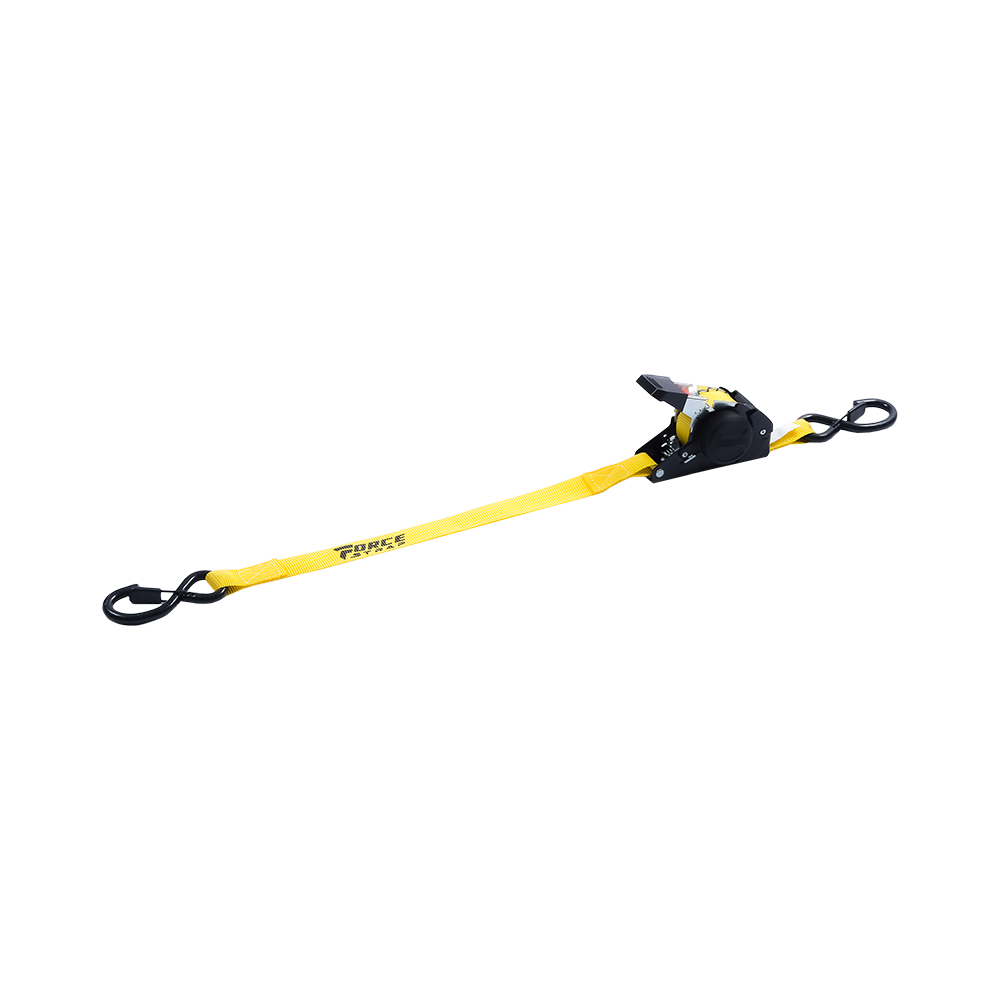
A ratchet strap is built from a fixed end of webbing attached to a hook, a ratchet mechanism containing a spool, handle, and pawl, and a free end of webbing that threads through the spool to create tension. Hook styles vary by application, including S hooks, J hooks, flat hooks, and wire hooks, each suited to different anchor point shapes found on trucks, trailers, and equipment.
Simplified layout of ratchet strap components from fixed hook to free end hook
Ratchet straps work under tension rather than compression, meaning the webbing pulls the load down or inward against an anchor point instead of pushing against it. Recognizing whether a load needs tension or compression support helps determine if a ratchet strap alone is enough, since cargo that could shift forward under braking often needs blocking or bracing to manage compression forces alongside the strap tension. Many real world loads involve a mix of compression and tension, where the strap secures the load vertically while wood blocking or dunnage prevents forward movement.
Threading a ratchet strap correctly is the step most often done incorrectly by first time users. Following a simple sequence, similar to a basic ratchet strap threading diagram, helps avoid a loose connection that can slip once the load starts moving.
Overtightening a ratchet strap can crush soft cargo or place unnecessary stress on the webbing and hardware, so the goal is a firm, even tension rather than the maximum force the handle can produce. Checking the strap again after the first few miles of a trip is a practical habit, since webbing and cargo can settle slightly once the vehicle is moving.
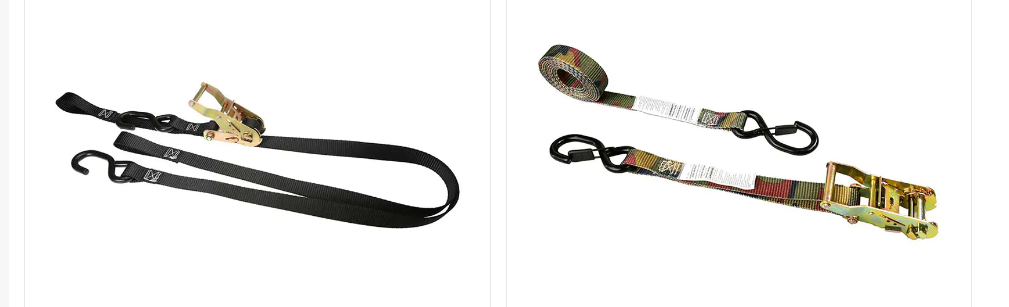
Strap width relates directly to working load limit, and matching width and length to the cargo weight and dimensions is the basis of any ratchet strap size guide. Working load limit refers to the maximum recommended load a strap should carry during normal use, and it is generally set well below the strap's breaking strength to maintain a margin of safety, often expressed as a fraction such as one third of the rated breaking strength.
| Width | Common Length Range | Typical Use |
|---|---|---|
| 1 inch | 6 to 15 feet | Light cargo, motorcycles, small trailers |
| 2 inch | 8 to 27 feet | General trucking, trailers, pallets |
| 3 inch | 10 to 30 feet | Heavy equipment, flatbed loads |
| 4 inch | 12 to 30 feet | Winching and heavy machinery |
General working load limit reference by strap width, always confirm against the printed label
An anchor point is only as strong as the surface it is attached to, so hooks should connect to structural points rated for tie down use rather than fragile trim, wiring, or plastic panels. Enclosed trailers and cargo vans commonly use E track rails, while flatbed decks and specialty racking often rely on L track rails, and understanding the difference between e track vs l track fittings helps when planning where and how to anchor a load.
| Anchor System | Slot Shape | Common Installation | Typical Fitting Type |
|---|---|---|---|
| E Track | Horizontal slots spaced at regular intervals | Enclosed trailers, cargo vans | Spring loaded or single stud fittings |
| L Track | L shaped slots for two way adjustment | Flatbed decks, specialty racking | Double stud fittings |
In some outdoor or temporary setup situations, ratchet straps are also used in place of guy wires or guide wires to add adjustable tension when bracing lightweight structures such as canopies or temporary frames, although dedicated guy line hardware generally suits permanent installations better.
Ratchet straps appear across a wide range of transport and storage tasks, from daily trucking routes to occasional household moves. The chart below reflects a general reference distribution of common use cases.
General reference distribution of common ratchet strap applications
Learning how to release a ratchet tie down safely matters just as much as tightening it correctly, since a strap released under full tension can snap back suddenly if the handle is opened too quickly.
Knowing how to remove ratchet strap hooks without bending them helps preserve the anchor point and the hardware for future use. Lifting the hook straight up and out of a track fitting, rather than twisting or prying it sideways, generally keeps both the hook and the track slot in good working condition.
Weather resistant ratchet straps made from polyester webbing generally hold up better against moisture and sunlight than straps made from natural fiber materials, though this resistance is not the same as being fully sealed against water. Rinsing webbing after exposure to road salt, mud, or saltwater and allowing it to dry before storage helps preserve strength and appearance over time.
General service life reference by storage and care condition, actual results vary with frequency of use
Ratchet strap lifespan depends on a combination of ultraviolet exposure, moisture, mechanical wear at the hooks and spool, and how consistently the webbing is inspected for cuts or fraying. Straps that show frayed edges, cut fibers, or a damaged ratchet mechanism are generally better replaced than continued in service, since webbing strength can decline well before visible damage becomes obvious.
Ratchet binders use chain instead of webbing and are often selected for flatbed loads such as steel coils, pipe, or heavy equipment where chain resistance to cutting and abrasion matters more than surface protection. Both tools work primarily under tension once tightened, though the cargo itself may experience a combination of compression and tension forces depending on how it shifts during transport, which is why some flatbed loads use binders for flatbed chain wrapped points alongside ratchet straps on lighter sections of the same load.
Ratchet StrapRatchet Binder
The chart above reflects a general positioning across five practical dimensions rather than exact measured values. Ratchet straps tend to be easier to handle, lighter, and more protective of finished surfaces, while ratchet binders generally provide higher holding force for heavy chain rated loads at the cost of portability and cargo surface protection.
Ratchet Strap US offers ratchet straps built with a 3 to 1 safety factor design approach, intended for securing heavy loads during transport. The straps use durable, UV resistant polyester webbing paired with strength rated hardware. 1 inch straps are lightweight and unmarked, suited to light duty tasks, 2 inch straps feature two orange dashed lines with black edging for visibility, and 3 inch and 4 inch straps use a single solid orange line, suited to heavier equipment.
From 2008 to 2025, Ningbo Force Auto Parts Co., Ltd. grew from a 1,000 square meter startup into a 30,000 square meter production base, producing around 12 million pieces annually. The company operates as a China based OEM ratchet strap manufacturer and ODM factory supplying the USA market, offering OEM and ODM production services for tie down straps, hardware, lifting slings, tarps, and corner protectors.
The following questions reflect common topics raised by drivers, movers, and warehouse staff when working with ratchet straps for the first time or replacing worn equipment.
Ratchet straps are commonly used to secure loads on trucks, trailers, pallets, machinery, and motorcycles, keeping cargo from shifting during transport.
Ratchet strap weight capacity depends on webbing width and construction, with wider straps generally rated for a higher working load limit than narrower straps.
Choosing the right size generally comes down to matching a ratchet strap size guide to the weight, shape, and number of anchor points available for the load.
Knowing how to use ratchet straps correctly involves securing both hooks to solid anchor points, removing slack, threading the webbing through the spool, and pumping the handle until snug without overtightening.
Ratchet strap lifespan varies with storage conditions and frequency of use, and straps kept indoors and inspected regularly generally last longer than straps left exposed to constant sun and moisture.
Weather resistant ratchet straps made from polyester withstand moisture better than natural fiber straps, though rinsing and drying webbing after wet conditions still helps maintain strength over time.
Breaking strength vs working load comes down to margin of safety, since working load limit represents the recommended maximum load during normal use, while breaking strength refers to the point at which the strap could fail under test conditions.
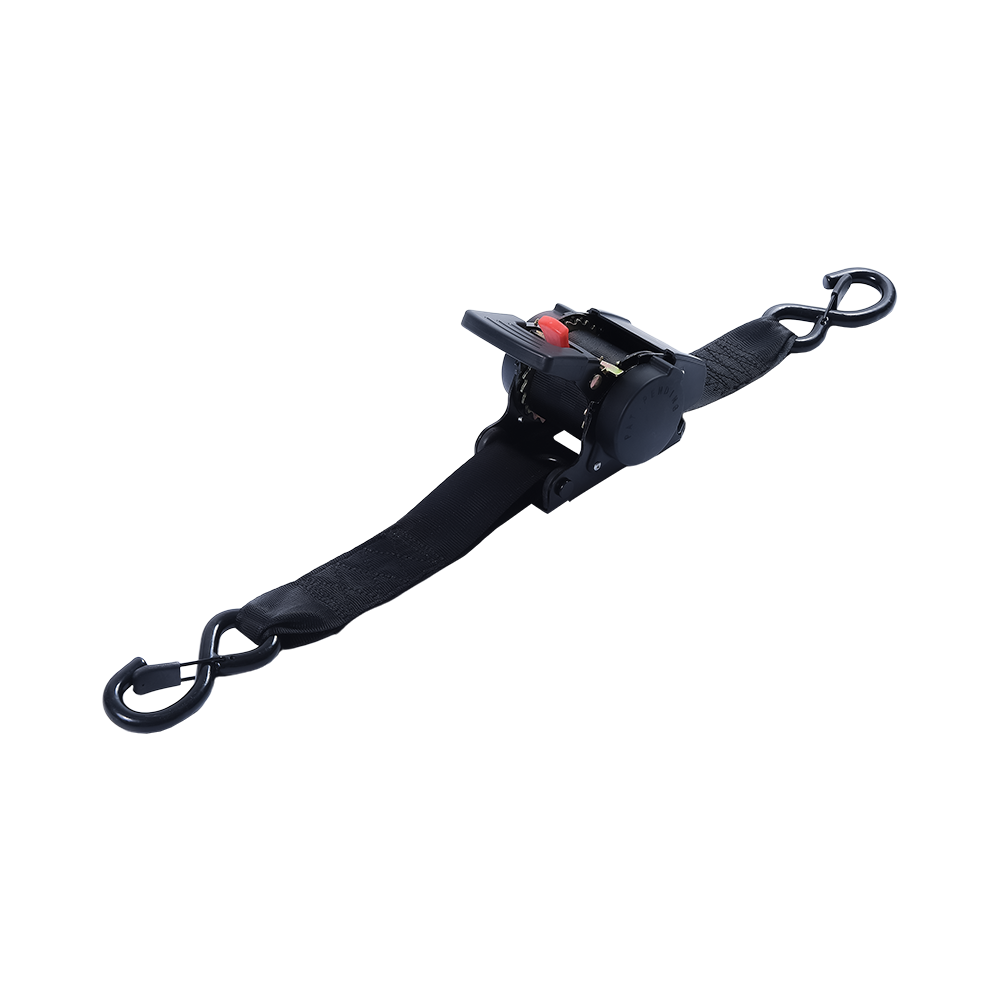
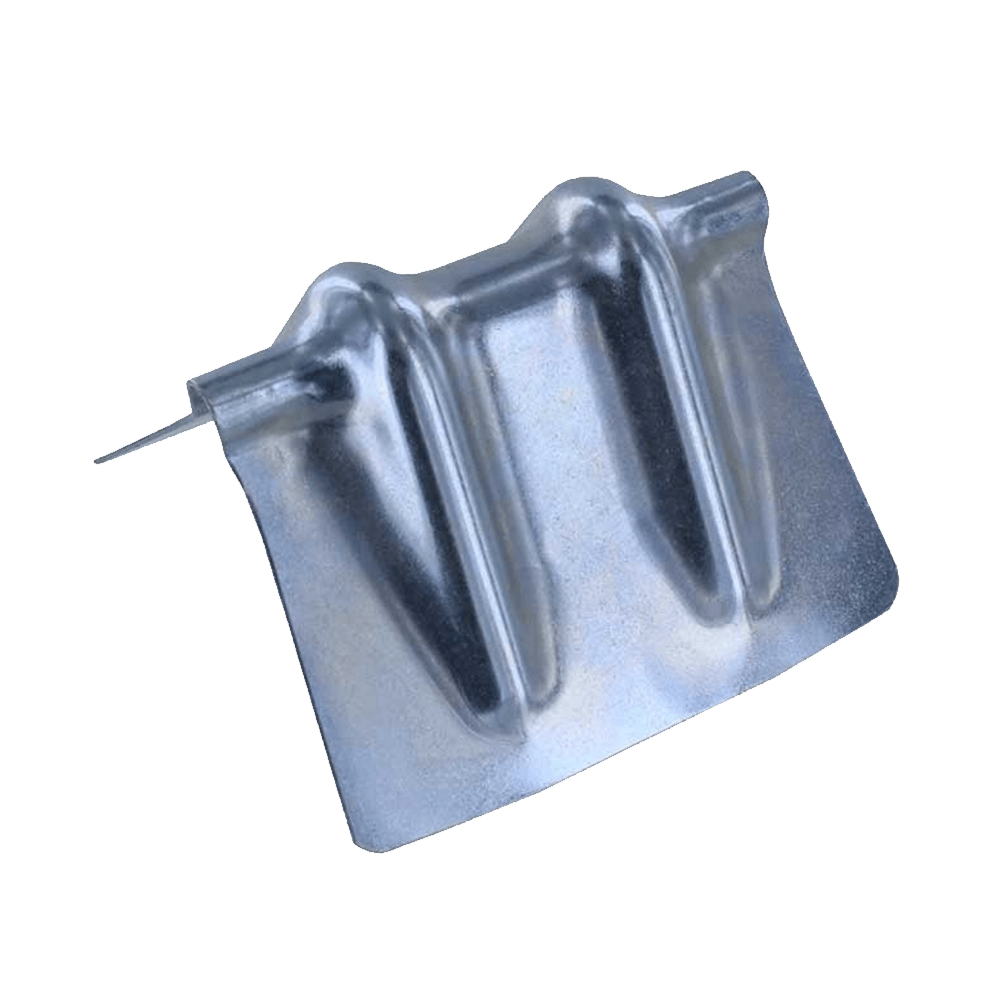
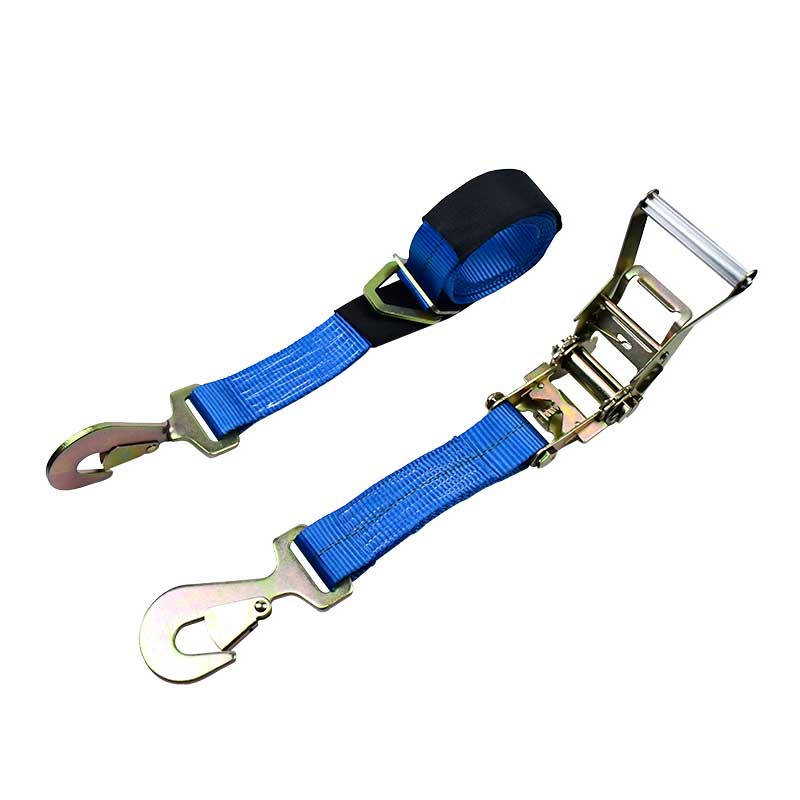

The company specialises in the field of logistics transportation,cargo control,lifting and hoisting products.


joe@forcerigging.com
+86-18650363763
No.469, Liansheng Road, Yinzhou District, Ningbo, Zhejiang Province, China.315111
Copyright © 2025 by Ningbo Force Auto Parts Co., Ltd. All Rights Reserved. China Ratchet Straps Manufacturers OEM/ODM Load Binding and Rigging Company


 English
 Español
 عربى
عربى 中文简体
中文简体