Ningbo Force Auto Parts Co., Ltd.
- joe@forcerigging.com
- +86-18650363763
Ningbo Force Auto Parts Co., Ltd.
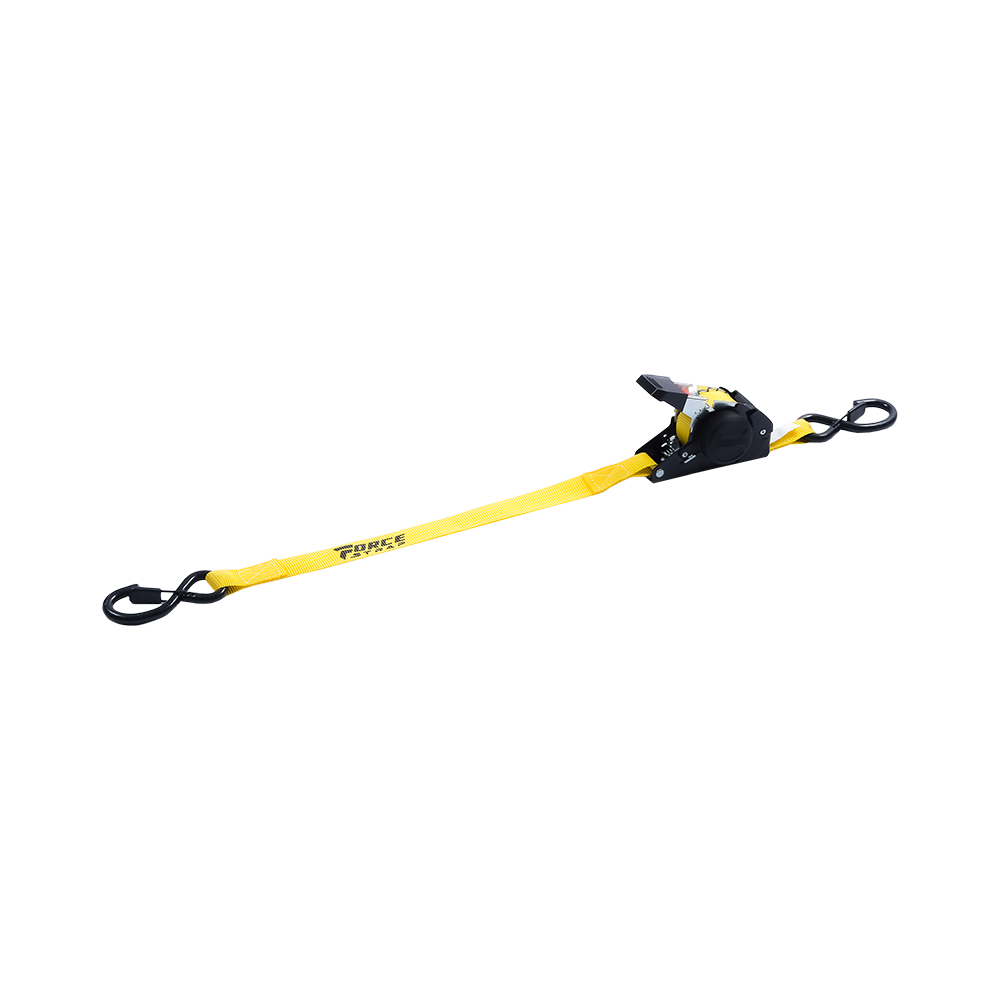
Automatic retractable ratchet straps generally outperform traditional ratchet straps in setup speed and loose-end management, while traditional ratchet straps often remain preferred for very heavy, irregular loads where manual tension adjustment gives finer control. The right choice depends on cargo type, load weight, and how frequently straps are used for quick, repeated tie-down tasks. This guide compares both strap types across mechanism, load capacity, use cases, and durability so buyers can match the correct product to their application.
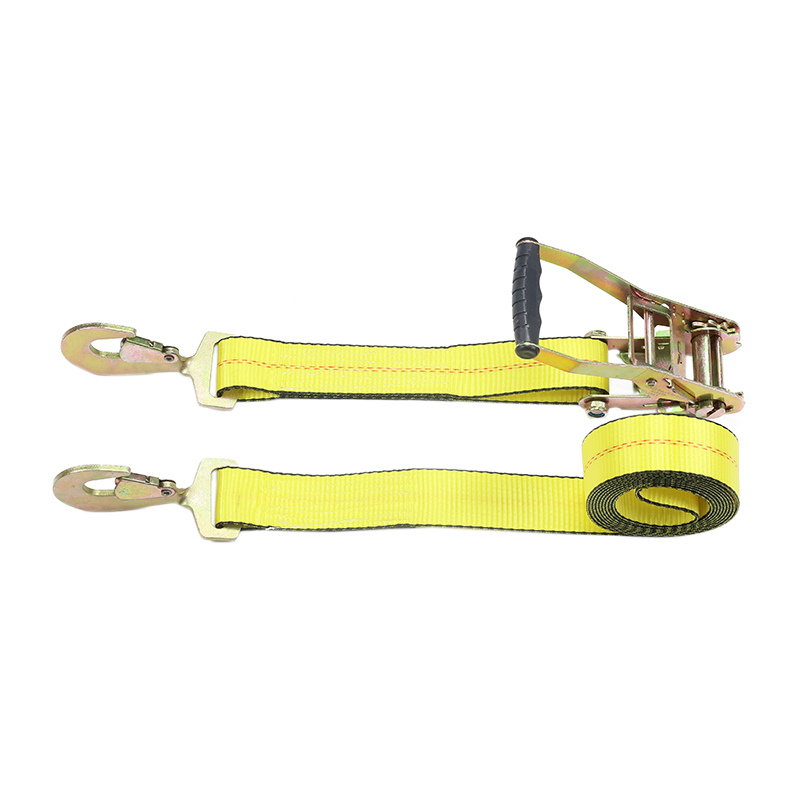
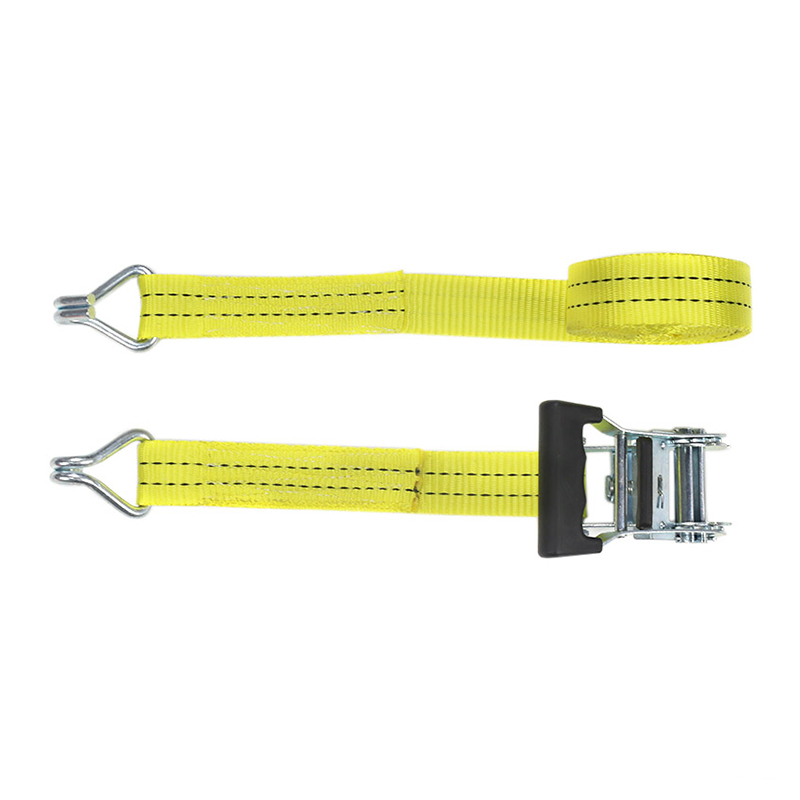
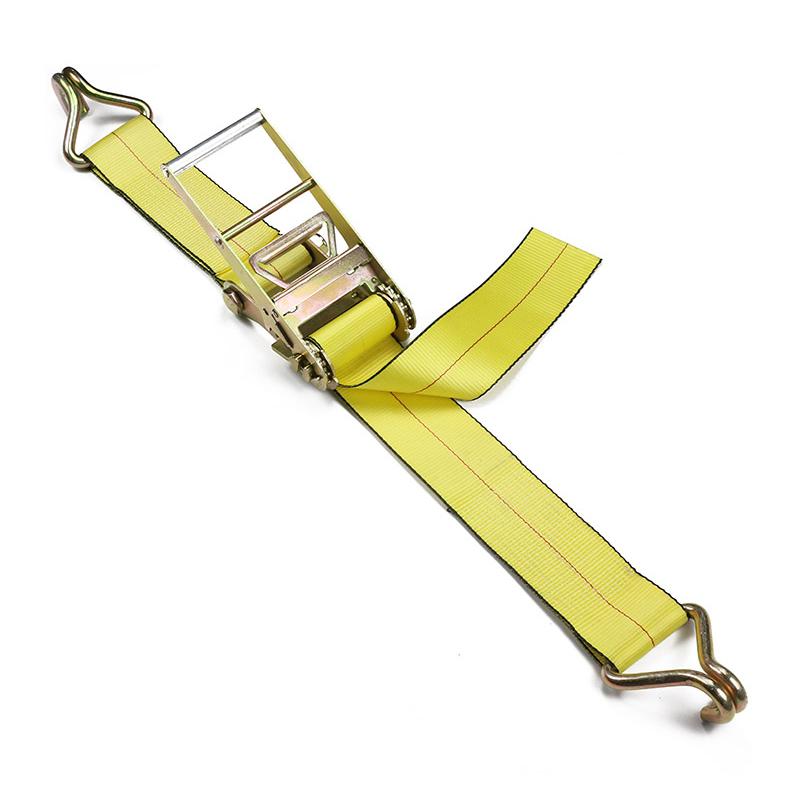
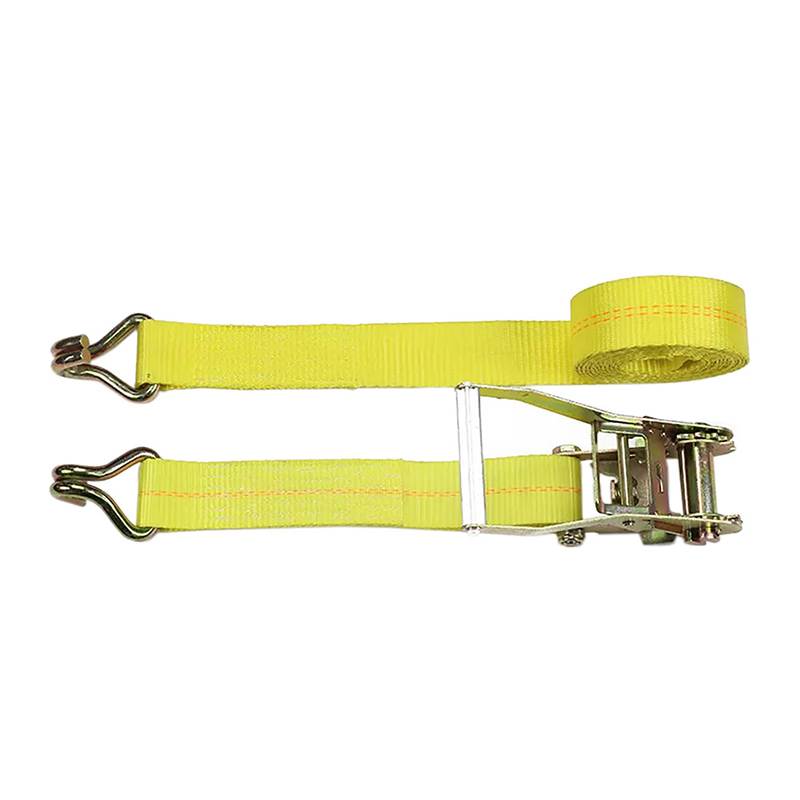
Self retracting ratchet straps use a spring-loaded reel to automatically take up slack, while traditional ratchet tie down straps require the user to manually feed and tension the webbing through a ratchet handle. Both are widely used in cargo securement across transportation, construction, agriculture, and personal vehicle applications, but their mechanical differences lead to meaningfully different performance in daily use.
Content
An automatic strap uses a spring-loaded mechanism built into the housing that continuously retracts excess webbing, eliminating the loose, dangling ends common with manual straps. This spring tension also allows the strap to automatically compensate for minor load shifts and vibration during transport, which helps maintain consistent tension over long hauls without the user needing to stop and re-tighten. Most models are constructed from 1"-2" polyester webbing with load capacities ranging from 500 to 5,000 lbs, paired with corrosion-resistant ratchet hardware and UV-treated webbing for outdoor durability.
This combination of features makes automatic straps especially practical for users who tie down cargo frequently and want to minimize handling time at each stop.
The bar chart below shows an illustrative comparison of average setup time per strap across three common tie-down tasks. Automatic retractable straps consistently show a shorter setup time because the spring mechanism removes the manual slack-feeding step required with traditional straps. The time gap is most noticeable on motorcycle and small-load securing, where multiple straps are often used per trip and cumulative time savings become more meaningful.
For businesses that secure multiple loads per day, such as delivery fleets or equipment rental operations, this time difference can add up to a meaningful reduction in loading dock or yard time across a full shift.
The line chart below shows an illustrative tension retention trend over a long-haul transport distance, comparing automatic and traditional ratchet straps under normal road vibration. Automatic straps maintain a more stable tension line because the spring mechanism continuously takes up slack as vibration causes minor webbing movement. Traditional straps show a steeper decline over distance since tension can only be restored by manually stopping and re-ratcheting the handle.
This is one reason heavy duty retractable ratchet straps are increasingly specified for long-distance hauling, since reduced tension loss lowers the chance of cargo shifting before a scheduled inspection stop. Both strap types still require periodic visual tension checks regardless of mechanism, particularly on rough terrain routes.
The radar chart below compares automatic and traditional ratchet straps across five practical dimensions that buyers commonly weigh before purchasing. Automatic straps score higher on ease of use and slack management, while traditional straps score higher on fine tension control and simplicity of mechanism, which some users prefer for very heavy or irregularly shaped loads.
Neither design is universally superior, and many fleets and rental operations stock both types to match the strap to the specific cargo and crew handling it that day.
Matching the strap type to the cargo is more important than choosing a single "best" option across every scenario. The table below summarizes common recommended use cases based on typical load type and handling frequency.
| Scenario | Recommended Strap Type |
|---|---|
| Motorcycle transport in a truck bed or trailer | Automatic retractable strap |
| Frequent short-haul furniture or appliance moves | Automatic retractable strap |
| Heavy, irregular construction material loads | Traditional ratchet strap |
| Long-distance trailer hauling requiring stable tension | Automatic or heavy duty retractable strap |
Retractable ratchet straps for trailers and retractable ratchet straps for pickup trucks are among the most searched use cases, largely because these applications benefit most from quick one-handed fastening during frequent loading and unloading cycles.
Buyers sourcing cargo tie down straps in bulk should confirm relevant certifications before placing an order, since certification helps verify that load capacity claims have been tested against recognized standards. Common certifications and quality indicators include CE marking, S-mark and GS certification, and ISO 9001:2015 quality management system certification. Membership in an industry body such as the Web Sling & Tie Down Association (WSTDA) can also indicate a manufacturer's ongoing engagement with industry safety standards.
Confirming these credentials is especially important for fleet operators and rental businesses that may be required to demonstrate compliance during safety audits or insurance reviews.
Businesses sourcing in volume should evaluate an automatic retractable ratchet straps manufacturer on production scale, certification, and OEM/ODM flexibility rather than product listings alone. A manufacturer with in-house R&D and testing capability is generally better positioned to support custom ratchet straps projects, such as branded webbing colors, custom length configurations, or private label packaging.
A dependable retractable ratchet straps supplier should be able to provide clear documentation for each of these points before a bulk purchasing decision is finalized.
Ningbo Force Auto Parts Co., Ltd. has grown from a 1,000 square meter startup in 2008 to a 30,000 square meter modern production base, now delivering an estimated 12 million pieces annually. The company operates as a China-based OEM and ODM automatic retractable ratchet straps manufacturer, supplying tie down straps, hardware, lifting slings, tarps, and corner protectors to industries including transportation, agriculture, construction, and energy.
The company's products hold CE, S-mark, GS, and ISO 9001:2015 certifications, supporting compliance with recognized global quality standards. Backed by advanced production facilities and a dedicated R&D team, and as an active member of the Web Sling & Tie Down Association (WSTDA), Ningbo Force Auto Parts maintains a stable global business presence while supporting safe and eco-conscious logistics solutions for OEM and private label partners.
|
Q1: What are automatic retractable ratchet straps? They are ratchet straps with a spring-loaded reel that automatically retracts excess webbing to eliminate loose ends. |
Q2: How do retractable ratchet straps work? A built-in spring mechanism continuously takes up slack in the webbing while the ratchet handle sets and holds the initial tension. |
|
Q3: What are retractable ratchet straps used for? They are commonly used for motorcycles, furniture, construction materials, and general cargo securement on trailers and trucks. |
Q4: How do you use retractable ratchet straps? Hook both ends to secure anchor points, pull the webbing to remove slack, then engage the ratchet handle to set final tension. |
|
Q5: How tight should ratchet straps be? Straps should be tight enough to prevent cargo movement without exceeding the strap's rated working load limit. |
Q6: Are they suitable for trailers? Yes, both automatic and traditional ratchet straps are widely used for trailer cargo, with automatic types suited to frequent loading cycles. |
|
Q7: Can ratchet straps be customized? Yes, manufacturers can typically customize webbing color, length, hardware type, and branding through an OEM/ODM program. |
Q8: What certifications should ratchet straps have? Look for CE, S-mark, GS, and ISO 9001:2015 certification as indicators of tested safety and manufacturing quality. |

The company specialises in the field of logistics transportation,cargo control,lifting and hoisting products.


joe@forcerigging.com
+86-18650363763
No.469, Liansheng Road, Yinzhou District, Ningbo, Zhejiang Province, China.315111
Copyright © 2025 by Ningbo Force Auto Parts Co., Ltd. All Rights Reserved. China Ratchet Straps Manufacturers OEM/ODM Load Binding and Rigging Company


 English
 Español
 عربى
عربى 中文简体
中文简体