Ningbo Force Auto Parts Co., Ltd.
- joe@forcerigging.com
- +86-18650363763
Ningbo Force Auto Parts Co., Ltd.
By: Joe , Lead Engineer with 10 Years of Rigging Design Experience, Force Rigging.
Ratchet straps are the fundamental mechanism for securing critical, heavy loads, yet releasing them effectively can be a challenge even for experienced professionals if the correct technique is overlooked. At Force, we have dedicated decades to engineering high-durability, premium-performance straps that are the trusted choice of global logistics teams and purchasing managers. Our lead engineer, Joe (bringing over 10 years of rigging design experience), has distilled our technical knowledge into a concise, three-step method for safely and efficiently disengaging ratchet tie-down straps—a crucial skill for saving operational time, mitigating risk, and safeguarding your equipment investment.
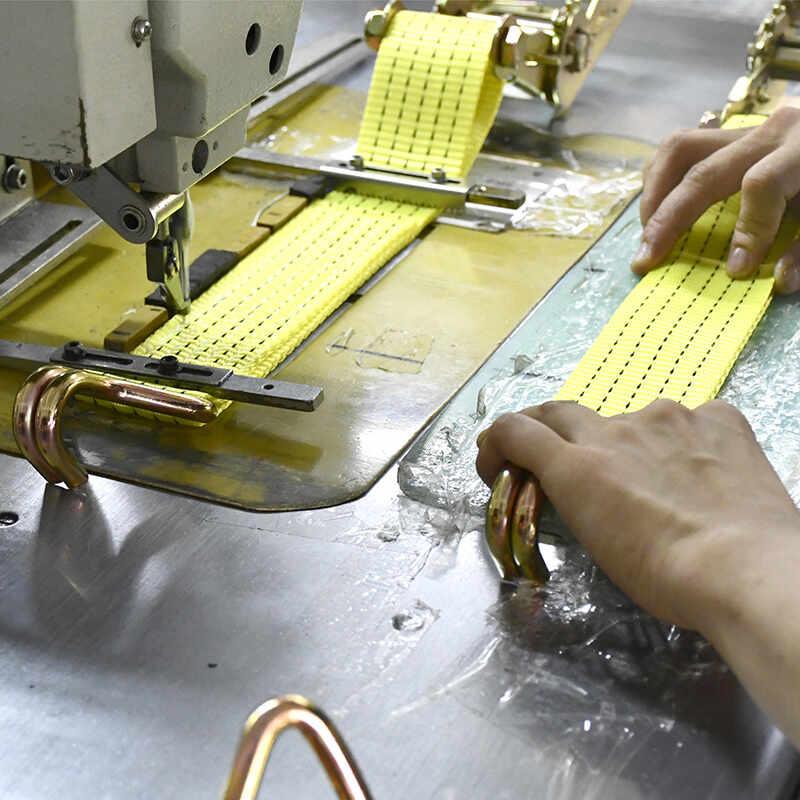
Content
For B2B procurement specialists, the value of a ratchet strap extends far beyond its ultimate breaking strength—it encompasses ease of use, operational safety, and long-term resilience. A strap that proves difficult to release can introduce costly delays during unloading, risk damage to valuable goods, or erode crew morale. We consistently address common client concerns, such as: "What is the meaning of these marked lines?" or "Why does this mechanism frequently lock up?" Below, we leverage our deep industry knowledge to provide clear answers, spotlighting Force's precision-engineered solutions—which are ideally suited for major fleets, large-volume orders, and highly critical logistics operations.
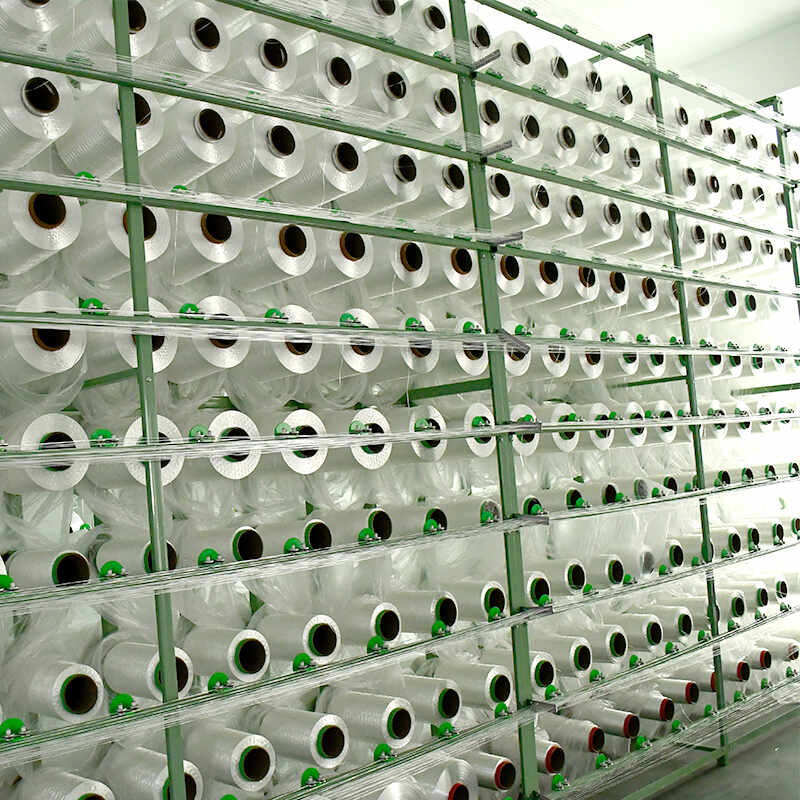
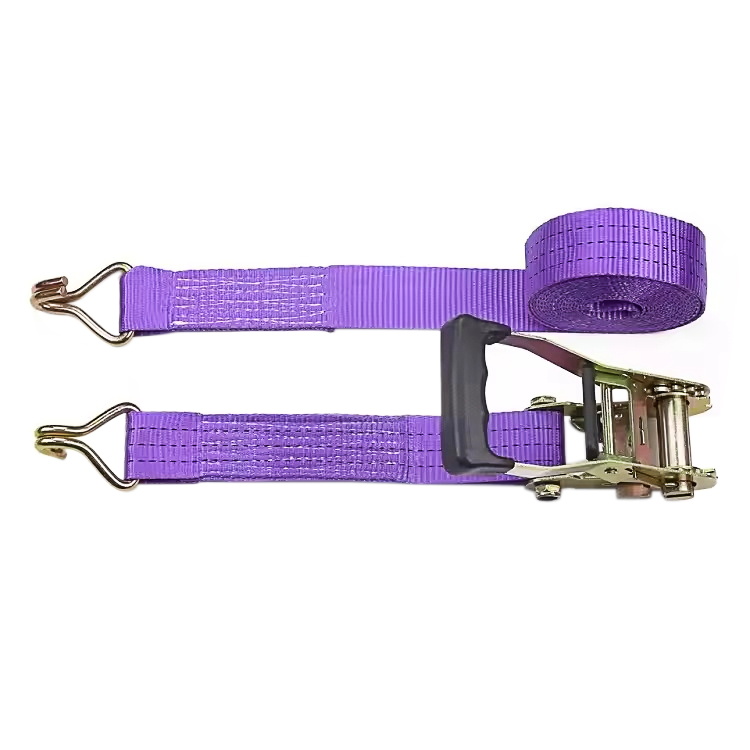
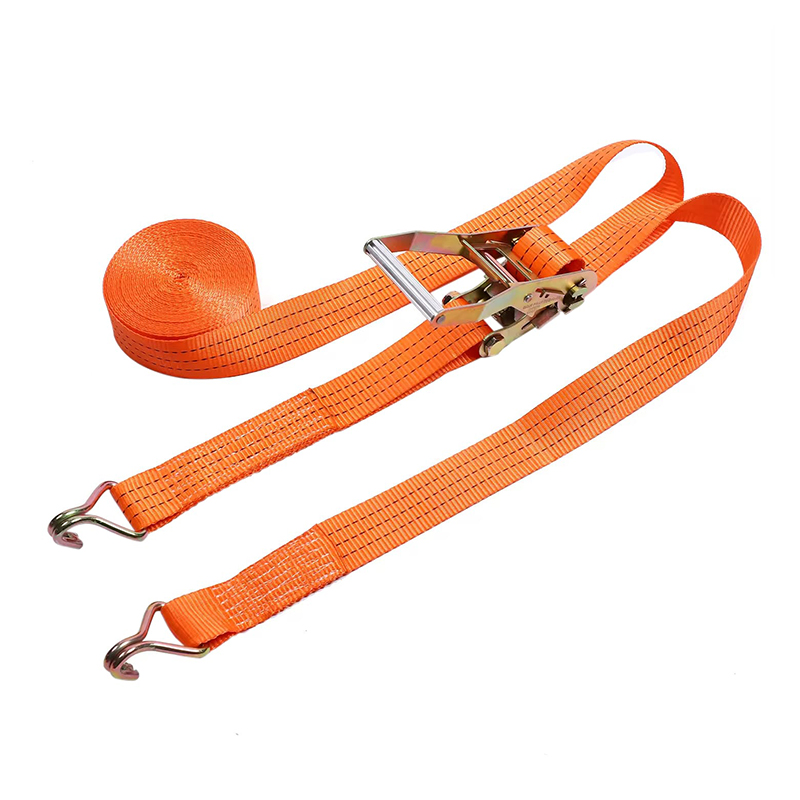
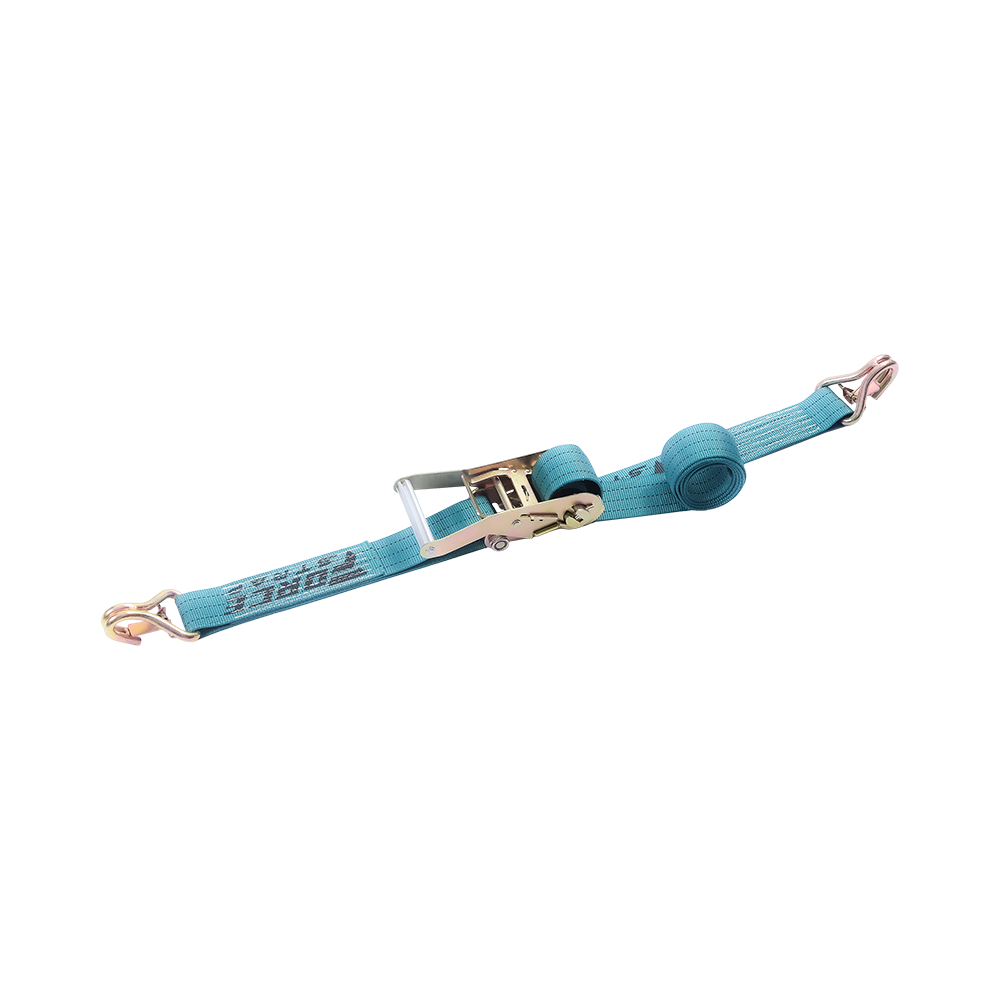
Initiate the process by firmly depressing the release lever (also known as the pawl) until the ratchet’s serrated gear teeth are fully disengaged from the tension-locking system. This action instantaneously halts the strap’s tensioning function. Precision is vital—maintain a stable grip on the handle to prevent any sudden, uncontrolled slack, which could potentially jar the load or subject the strap to undue stress. Force’s corrosion-resistant ratchet assemblies, forged from reinforced steel alloy, are designed to guarantee a smooth, reliable release, even after prolonged exposure in humid storage environments or highly corrosive coastal transit routes. A compelling case in point: during a 500-ton shipment we handled last year, our double-line ratchet straps demonstrably outperformed single-line models, solidifying their superior capability in demanding, heavy-duty applications.
The next stage requires carefully pulling the webbing away from the spool, maintaining controlled tension throughout to avoid tangling or surface wear. An uncontrolled, aggressive pull risks fraying the webbing material or misaligning the internal ratchet components, which invariably leads to future operational issues. Force's high-strength polyester webbing—inherently non-slip and UV-resistant—is engineered to glide effortlessly, with a tensile strength that is highly resistant to surface abrasion. In exhaustive field tests, our triple-line straps (rated up to 3,000 lbs Working Load Limit, or WLL) demonstrated a 30% longer lifespan than standard single-line straps (typically rated between 500-1,000 lbs WLL), establishing them as an indispensable asset for high-volume distribution hubs and commercial flatbed transportation companies.
Conclude the procedure by conducting a swift yet thorough inspection and ensuring correct storage. Carefully check the strap for any evidence of frayed edges, cuts, or material discoloration, and meticulously clear any accumulated debris or grease from the ratchet mechanism. Coil the strap neatly to actively prevent the formation of knots, which are known to compromise the strap’s structural integrity over time. This process transcends simple maintenance—it represents a proactive strategy to maximize the return on your investment. Our rugged straps, tested to an impressive 10,000 lbs WLL and 30,000 lbs breaking strength, are specifically engineered to surpass key global standards such as EN 12195-2, which formally links the line count to the minimum breaking strength. We rigorously vet every production batch through extensive tension tests, environmental aging simulations, and fatigue trials in our dedicated lab—guaranteeing their unwavering performance whether securing heavy construction equipment or massive oversized freight.
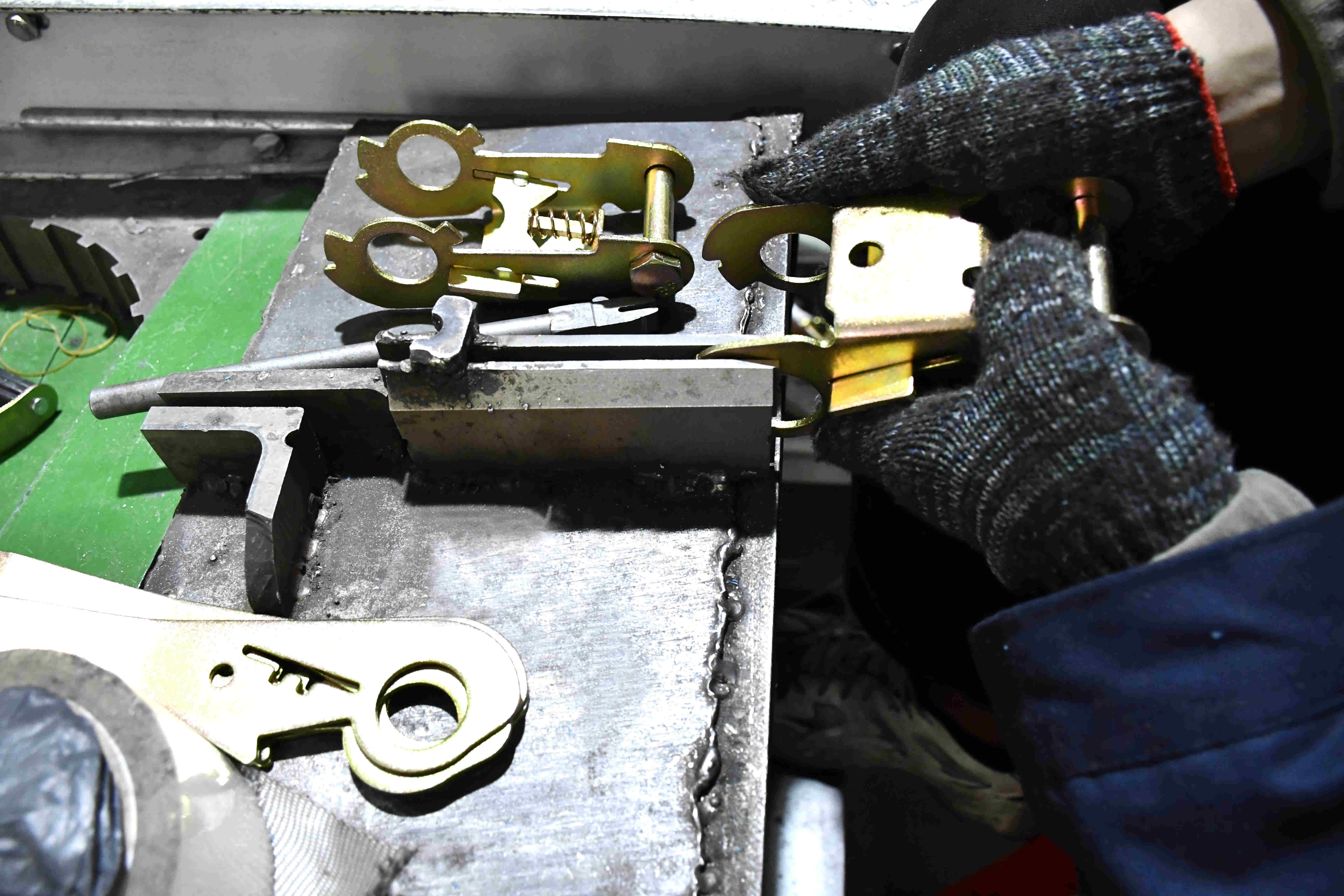
We have successfully addressed the industry’s most pressing questions: how to properly engage ratchet straps, how to correctly release them, and how to effectively differentiate between WLL and breaking strength. Yet, Force provides comprehensive value that extends far beyond technical guidance. Our exclusive factory-direct customization options (including color-coded or client-branded straps) offer both scalability and enhanced value. Unlike widely available generic alternatives, our straps masterfully combine ergonomic design with highly rigorous testing—a fact underscored by the 2023 International Logistics Association report, which cited that 80% of transport accidents are traceable to inadequate strap selection. We provide the trusted solution that fully protects your operations.
With unparalleled technical expertise spanning decades, Force does not merely supply tie-down straps—we deliver solutions to complex logistics challenges. From securing standard palletized goods to handling unique, specialized loads, we offer unmatched quality combined with the cost-efficiency of factory-direct pricing. Our impressive credentials include CE, GS, and ISO 9001 certifications, backed by 15 years of dedicated rigging production experience based out of Ningbo. Need concrete proof? Review our detailed product specifications or request our technical whitepaper for comprehensive documentation. Ready to optimize and streamline your entire supply chain? Contact Joe Li today at joe@forcerigging.com or call +86-18650363763.
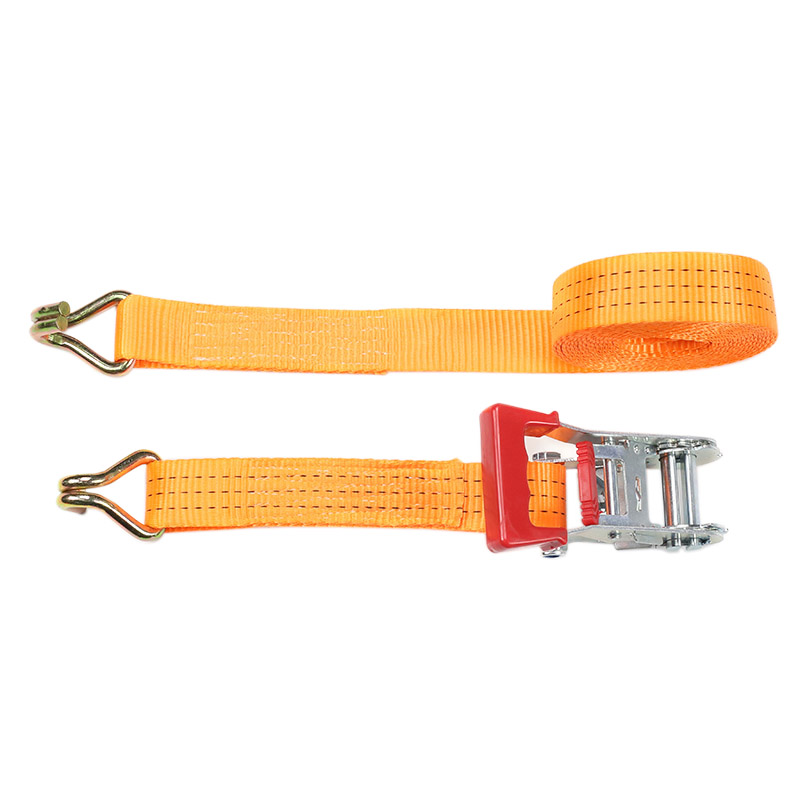
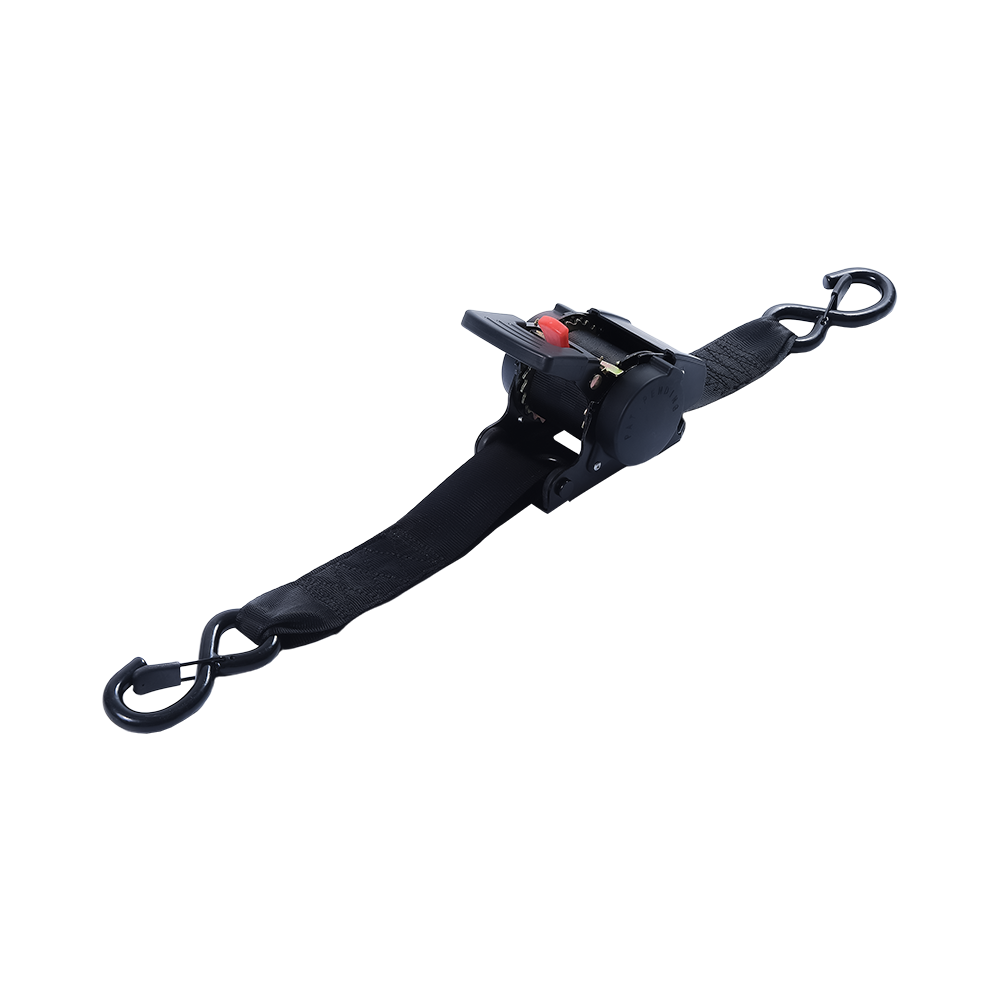

The company specialises in the field of logistics transportation,cargo control,lifting and hoisting products.


joe@forcerigging.com
+86-18650363763
No.469, Liansheng Road, Yinzhou District, Ningbo, Zhejiang Province, China.315111
Copyright © 2025 by Ningbo Force Auto Parts Co., Ltd. All Rights Reserved. China Ratchet Straps Manufacturers OEM/ODM Load Binding and Rigging Company


 English
 Español
 عربى
عربى 中文简体
中文简体